

Could this study provide an insight into how to avoid being bitten simply by adjusting the colours we wear? Let’s take a look.
Articles on Mosquito-borne diseases
Displaying 21 - 40 of 80 articles
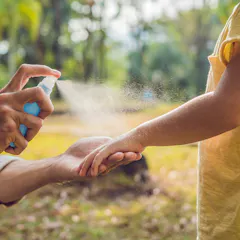
Summer is no fun when mosquitoes are biting. Insect repellent creams, sprays, and lotions are safe and effective but there are alternatives. Here’s what works and what doesn’t!
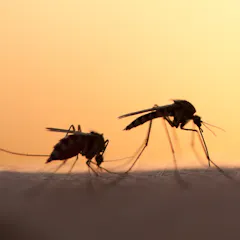
Reproduction in mosquitoes crucially relies on their sense of hearing.
Male mosquitoes gather around humans, likely in an attempt to mate with blood-sucking females.
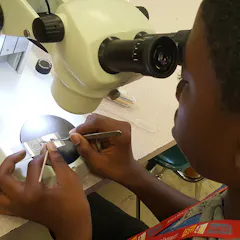
A hands-on approach to learning about bugs can help students from urban communities take an interest in science.
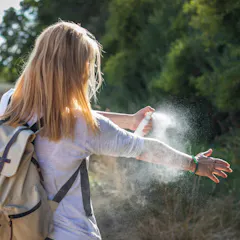
Summer is here, and so are the mozzies. So what do you need to consider when you’re picking a mosquito repellent?
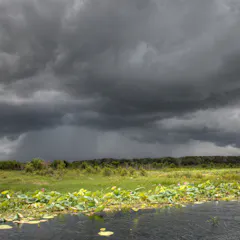
Mosquitoes love the wetter weather La Niña brings to some parts of Australia. But will we see more mosquito-borne disease?
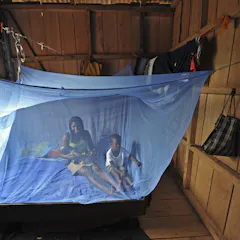
The pandemic coincides with the long rainy season in Kenya. Rain increases mosquito breeding sites, vector density and thus transmission of mosquito-borne diseases.
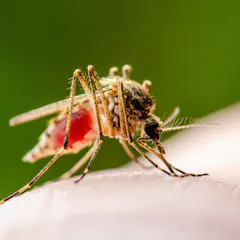
Prolonged rains increase the amount of stagnant water in the environment in which mosquitoes breed. This increases the risk of mosquito-borne diseases.

Water is crucial to the spread of malaria because mosquitoes breed and lay their eggs in or near bodies of water.
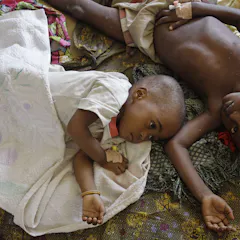
There’s a big market for new treatments for TB, malaria and other ailments. But most of these diseases afflict low-income people unable to pay for medicine.

While no deaths have been reported in Ethiopia so far, outbreaks of the mosquito-borne disease spread rapidly and have severe impacts on public health.
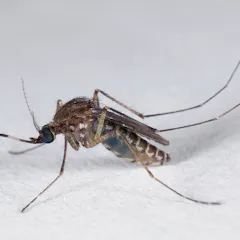
Murray Valley encephalitis virus is a rare but potentially fatal mosquito-borne virus. Here’s what you need to know about it.
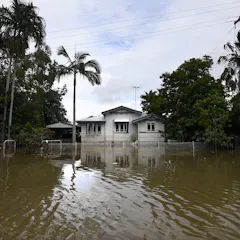
The more water, the more mosquito eggs are laid, and the more mosquitoes end up buzzing about. But to spread disease to people, they first need to bite infected wildlife.
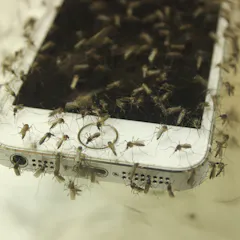
The sounds of mosquitoes may be annoying to many but tuning into their musical whines could help design new mosquito traps. Just don’t expect sounds from your smartphone to protect you from bites!
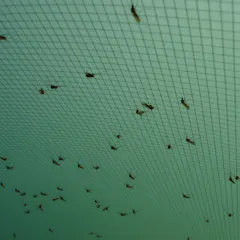
Australian mosquitoes, unlike their Asian and American counterparts, can still be controlled by insecticides like pyrethroids. What lessons are there for managing pesticide resistance in insects?
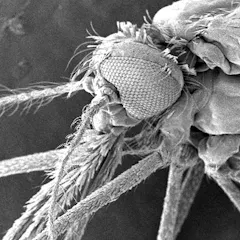
Several sites in the US are releasing bacteria-infected mosquitoes as a way to fight mosquito-borne viruses that threaten people. What’s the science – and how well will it work?
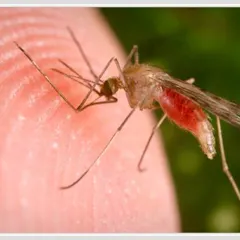
Malaria has long menaced the world, but gains have occurred. Those efforts could now be stymied by budget cuts, however. Here’s how a disease that knows no borders could widen its deadly reach.
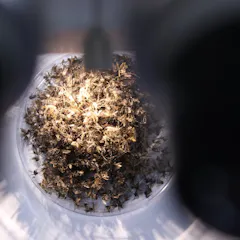
Worst year for mosquitoes ever? How do scientists catch and count mosquitoes to work out why mosquito populations fluctuate from year to year? Can we predict outbreaks of mosquito-borne disease?
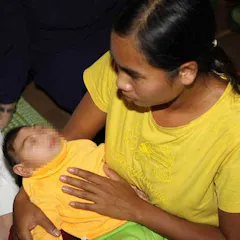
The World Health Organisation no longer sees Zika as a health emergency. But what does this downgrade mean for the health of mothers and babies?
Top contributors
-

Clinical Associate Professor, School of Medical Science & Sydney Infectious Diseases Institute; Principal Hospital Scientist, University of Sydney
-
Medical Entomologist at the School of Biological Sciences, University of Nairobi
-
Medical Entomologist, The University of Queensland
-
Professorial Research Fellow, James Cook University
-
Senior Lecturer in Parasite Epidemiology, School of Natural and Environmental Sciences, Newcastle University
-
Lecturer (University of Tasmania), University of Tasmania
-
Clinical Research Fellow, Liverpool School of Tropical Medicine
-
Professor of Advanced Technology Transitions, Arizona State University
-
Research Associate, focus on health rights, laws and policies, Simon Fraser University
-
Professor of Medicinal Chemistry, University of Dundee
-
Director Biosecurity Flagship, CSIRO
-
Sternberg Family Distinguished University Professor, Northeastern University
-
Associate Professor of Human Rights, University of Winnipeg
-
Associate Professor, Ecology, Northumbria University, Newcastle
-
Professor of Philosophy and Integrative Biology, The University of Texas at Austin