

Large NZ companies may soon be required to report on modern slavery risks. Nearly 17,000 Australian reports reveal what makes such laws work – and what doesn’t.
Articles on Modern Slavery Act
Displaying 1 - 20 of 28 articles

The changes come just weeks after the US threatened new tariffs of up to 12.5% on 60 countries – including Australia – for inaction on slave labour.

When confronted with modern slavery risks, some companies justify their inaction or adopt ineffective measures that do little to address the problem.

The fashion industry is constantly in the spotlight for problems in its supply chains. Blockchain might be the answer.
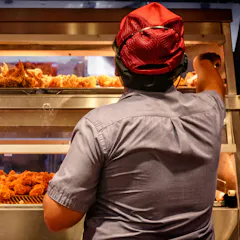
The act did little to stop modern slavery happening in the first place.
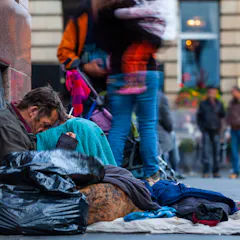
I’ve met many homeless British people who have been exploited. It seems to be addiction, more than homelessness, that puts them in harm’s way.

When firms say they have found no evidence of modern slavery, that should ring alarm bells.
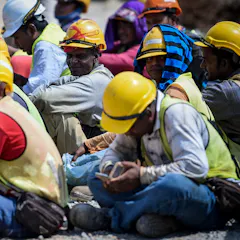
Appointing an anti-slavery commissioner is critical to stamping out abuse of more than 40,000 people in Australia who trapped by forced marriages or controlling employers.
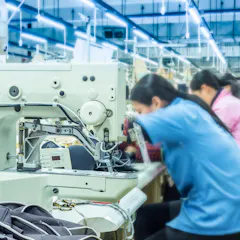
Supply chains can contain thousands of suppliers spanning continents. DNA testing, drones, satellite imaging and other technologies can help identify forced and child labour.

A new study suggests disclosure laws to prevent forced labour in the clothing industry are a form of window dressing designed to ease the conscience of consumers rather than protecting workers.

A new review has found that only a handful of companies have identified incidents of modern slavery in their operations.

If we have learned anything from the fight against modern slavery, it is that addressing the issue takes extensive time, resources and long-term commitments.
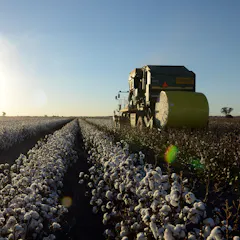
Producer responsibility is increasingly being used to deal with the environmental costs of production. It can also be used to deal with social issues.
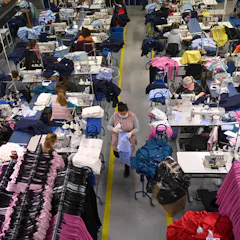
Our new research sets out six ways to cut a more gender-just and sustainable fashion sector.
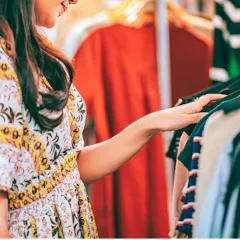
Our research shows the inadequacy of relying on consumer power to eradicate exploitation in the fashion industry.
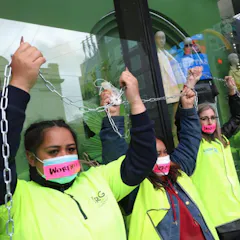
How could a company highly regarded for its commitment to sustainability do so badly on the industrial relations front, pushing staff to strike for almost a fortnight?
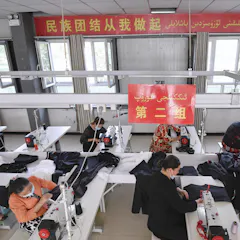
Australia’s Senate has voted to prohibit the import of goods made using forced labour. But without government support it won’t become law.

Just four of 31 international chocolate makers have been rated ‘good eggs’ for their social, environmental and governance standards.
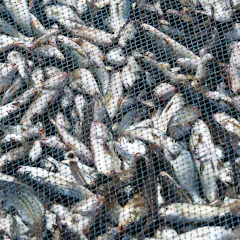
Supply chain transparency is important, but countries like Australia also must do more to support the justice process, such as securing compensation for fishermen and putting traffickers in jail.

121 companies in Australia have delivered their first reports required by the Modern Slavery Act.
Top contributors
-

Associate Professor, University of Sydney Business School, University of Sydney
-
Professor of Law and Justice and Director of the Australian Human Rights Institute, UNSW
-
Pro Vice-Chancellor Academic Advancement & Diversity, The University of Western Australia
-
Senior Lecturer in Accounting, Adelaide University
-
Assistant Professor of Business & Society, Beedie School of Business, Simon Fraser University
-
Anti-slavery researcher and practitioner, Adelaide University
-
Professor and Dean of the School of Fashion and Textiles, RMIT, RMIT University
-
Lecturer in Modern Slavery, University of Hull
-
PhD Candidate, Queensland University of Technology
-
Associate professor & Principal Research Fellow, La Trobe University
-
Professor in Department of Accounting and Corporate Governance, Macquarie University
-
Human trafficking and modern slavery researcher, Flinders University
-
Professor of Industrial Engineering & Assistant Vice-President, International, Toronto Metropolitan University
-
Lecturer, UWA Law School, The University of Western Australia
-
PhD Candidate, School of Labour Studies, McMaster University