
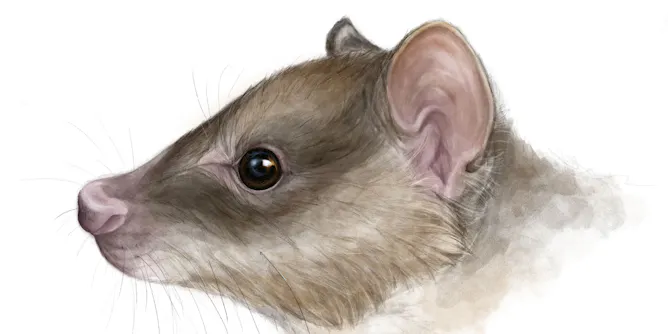
Two newly discovered species of quokka-sized kangaroos, which lived 18 million years ago in the Queensland rainforest, show evolution in the act of giving kangaroos a taste for leaves.
Articles on Marsupials
Displaying 41 - 60 of 87 articles
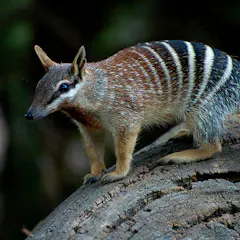
The numbat is one of the Tasmanian tiger’s closest surviving relatives. And its newly sequenced genome raises the possibility of piecing together the genetic code of its extinct fellow marsupial.

Quenda are one of few remaining digging mammals in Australian urban bushlands, and fungi is their favourite food.
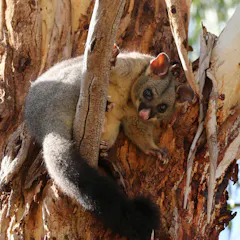
When a plant is stressed, it mobilises its resources and often converts its starch reserves back to sugar. As soon as this happens, the stressed plant becomes sweeter than its healthier neighbours.
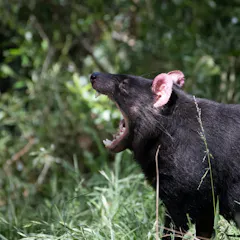
Tassie devils are notorious scavengers, eating everything from echidnas to stranded whales. Understanding how their teeth wear down can help us feed and protect captive populations.

For phascogales, tree hollows are getting harder to find. I venture into forests and study how well artificial hollows made with chainsaws can replace them.
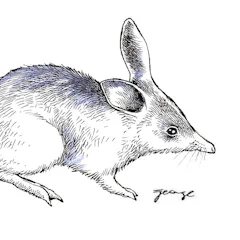
Very few bilby and bandicoot fossils have ever been found. Four new discoveries help fill in the picture of how these elusive animals evolved.
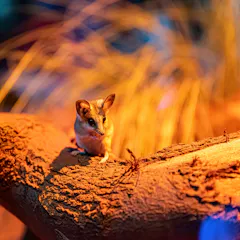
Once thought to occur only in birds and mammals in the Northern Hemisphere, due to the more pronounced winters, we now know torpor is widespread in small Australian mammals.
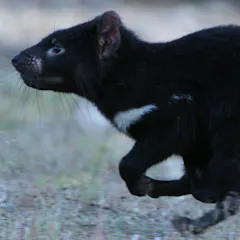
Ten years ago, we feared Tasmanian devils would be wiped out by a bizarre infectious facial cancer transmitted by biting. But new genetic analysis shows they are evolving to live with the disease.
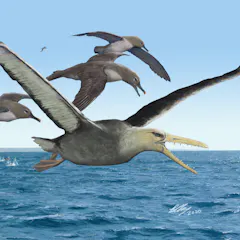
Paleontologists have discovered fossil remains belonging to an enormous ‘toothed’ bird that lived for a period of about 60 million years after dinosaurs.

The revamped citizenship test would include questions focused on “Australian values”. But why not ask prospective Australians to show an understanding of our ancient landscape and unique species too?
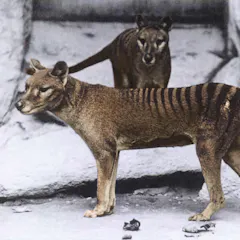
The “Tasmanian tiger” was hunted to extinction based on its perceived size as a predator big enough to take sheep. But it seems this was just a tall tale, and the thylacine weighed just 16.7kg.
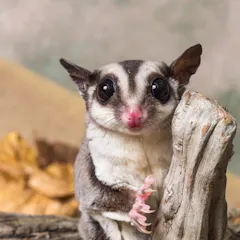
The sugar glider is an icon of the Australian bush. But discovering it’s actually three distinct species has big consequences for its conservation.
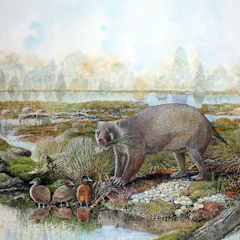
The extinct Mukupirna - which translates to ‘big bones’ - is estimated to have been more than four times larger than any living wombat.
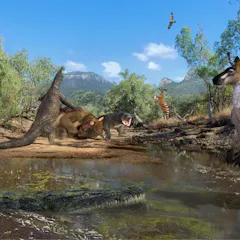
These megafauna were the largest land animals to live in Australia since the time of the dinosaurs.
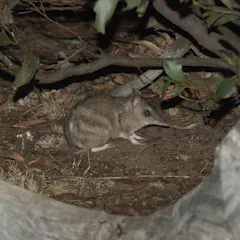
These Aussie diggers boost the health of our soils. But up until recently, we didn’t know just how much soil they can turn over (hint: it’s a lot).
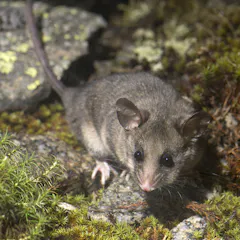
The main food for the mountain pygmy-possum’s spring/summer breeding season is the migratory bogong moth, but in 2017 and 2018 billions of bogong moths failed to arrive. Then the bushfires did.
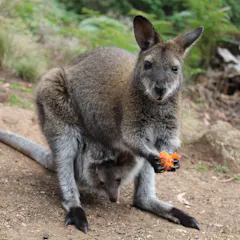
Animals that pause their pregnancies could help us learn valuable lesson about human pregnancy, and even unlock secrets to stem cells and cancer.
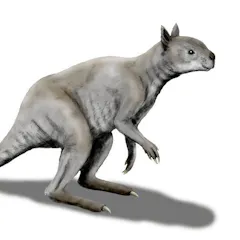
A new analysis of an extinct giant kangaroo skull suggests it was adapted to eat tough, woody material - a feeding style not found in any modern marsupials.
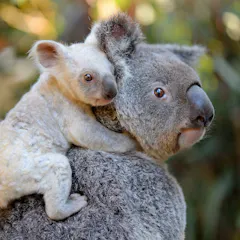
We used to think a marsupial mum didn’t know when she was pregnant, but new research shows that’s wrong. And that could help in conservation of endangered species.
Top contributors
-

Curator of Mammals, Western Australian Museum; Curtin University
-
Associate Professor in Biology, Zoology and Animal Science, Western Sydney University
-
Associate Professor in Anatomy, Murdoch University
-
Distinguished Professor of Ecology, Fenner School of Environment and Society, Australian National University
-
Associate Professor, Animal Anatomy and Physiology, Charles Sturt University
-
Associate Professor in Ecology and Environmental Science, Queensland University of Technology
-
Honorary Research Associate in BioSciences, The University of Melbourne
-
Professor, School of Biological Sciences, Monash University
-
Professor, Flinders University
-
Lecturer in Palaeontology, Flinders University
-
Lecturer in Palaeontology, The University of Queensland
-
Professor, Evolution and Ecology Research Centre, UNSW
-
Professor of Biogeochemistry, University of Wollongong
-
Lecturer in Biology, University of Salford
-
Principal Research Fellow Applied Palaeontology & Palaeotourism, CQUniversity Australia