
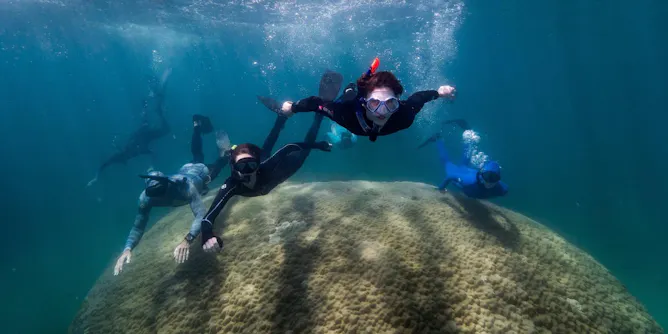
The remarkably resilient structure is in good health, for now. But work is needed to ensure it is preserved for future generations.
Articles on Marine science
Displaying 21 - 40 of 55 articles
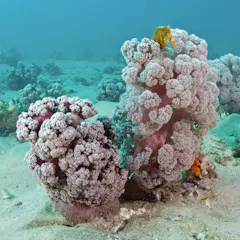
Recent flooding may have reduced the remaining coral population by 90%. Combined with damage from fishing, boating and coastal development, the species may be gone in a decade.
Join us for a free online discussion about the history and future of the world’s oceans.
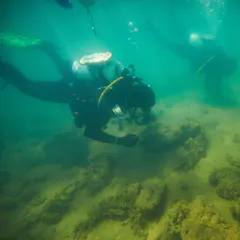
Submerged in the waters off Western Australia lies an ancient site home to Aboriginal people thousands of years ago, when sea levels were lower than they are today.
The Deepwater Horizon oil disaster catalyzed a decade of research on oil contamination in the Gulf of Mexico, from surface waters to the seabed, with surprising findings.

Empatheatre’s latest production is more than a play about three characters who live near the sea. It’s a model for collective consultation on how to save the ocean.

Icelandic whalers have killed more than 1,700 whales since a global ban was adopted in 1986 – up to 2019, when no hunts took place. Is Iceland quietly getting out of the business?
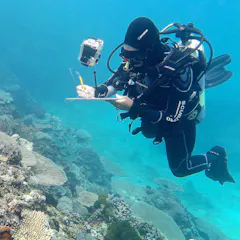
Few feel the pain of the Great Barrier Reef’s decline more acutely than the scientists trying to save it. Ahead of a UN climate summit, two researchers write of their grief, and hope.
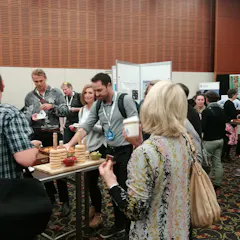
This year’s national conference of the Australian Marine Science Association is a plastic-free zone, as marine scientists aim to reduce the environmental burden of throwaway plastic.
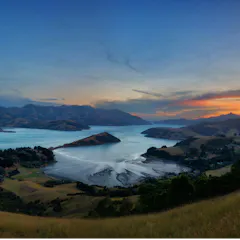
New Zealand has one of the world’s largest ocean territories, but the marine environment is at risk from climate change, pollution and fishing.
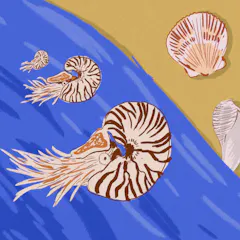
Molluscs that have shells - like pipis, clams and oysters - have to build their own shell from scratch. And they keep building it their whole life, using chemicals from the sea and their own bodies.
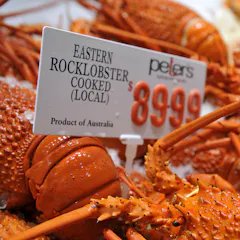
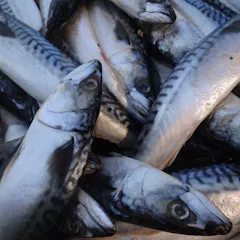
Australian fishing boats throw away up to half the fish they catch. To make the seafood industry sustainable, we need to eat all the fish that get caught.
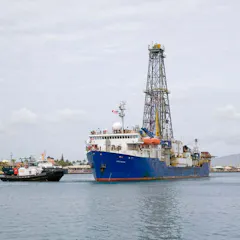
The ocean floor holds unique information about Earth’s history. Scientific ocean drilling, which started 50 years ago, has yielded insights into climate change, geohazards and the key conditions for life.

Federal Labor has pledged to withdraw the A$443 million given to the Great Barrier Reef Foundation. But the foundation’s decisions are led by science, and free of undue influence, its chief scientist says.
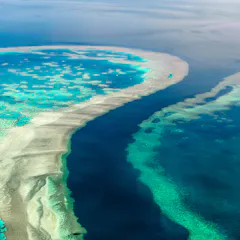
The $444 million awarded to the Great Barrier Reef Foundation has been criticised as a politically calculated move. But governments have been asking what the reef can do for them ever since colonial times.
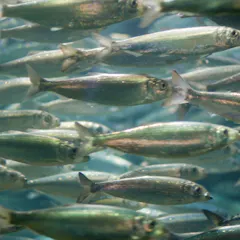
Fish are a key food source for millions of people worldwide. But a recent study finds long-term warming over the next 200 years could starve tiny plankton, with impacts that would ripple up food chains.

The ocean floor off Australia’s east coast bears the scars of numerous subsea landslides, which have potentially triggered tsunamis over the past several millennia.
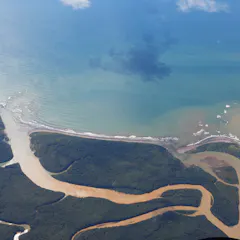
A special combination of rain, rocks and subsea volcanoes makes the sea salty.
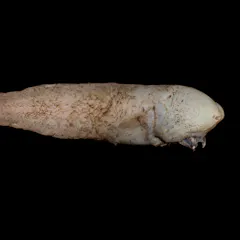
Surveying the bottom of the ocean turns out to be far from easy. But there was something wonderful about seeing animals we have only read about in old books.
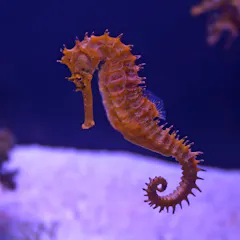
Scientists have sequenced the seahorse’s genome and found the genes that could explain male pregnancy.
Top contributors
-

Senior Curator of Marine Invertebrates, Museums Victoria Research Institute
-
Professor of Marine Science, University of Auckland, Waipapa Taumata Rau
-
Chair, National Marine Science Committee and Director, CSIRO National Collections and Marine Infrastructure, CSIRO
-
Chief Executive Officer, Australian Institute of Marine Science
-
Lecturer in Science and Society, James Cook University
-
Postdoctoral Fellow, The University of Texas at Austin
-
Associate Professor in Marine Biology, Swansea University
-
Assistant Professor of Marine Science, The University of Texas at Austin
-
Assistant Professor, School of Energy, Geoscience, Infrastructure and Society // CEO MarFishEco Fisheries Consultant Ltd, Heriot-Watt University
-
Postdoctoral research associate, University of Zurich
-
Professor, UNSW
-
Associate professor, University of Tasmania
-
Associate Professor, University of Sydney
-
Assistant Professor in Biological Oceanography, University of North Carolina Wilmington
-
Honorary Lecturer, University of Exeter