
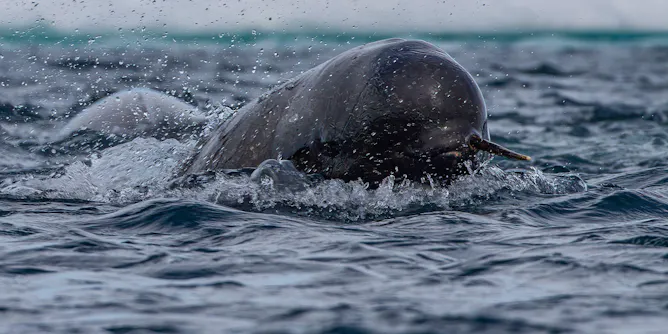
Tags on these deep-diving whales are providing vital data from places research ships struggle to reach.
Articles on Oceanography
Displaying 1 - 20 of 74 articles
The Global Ocean Observing System informs weather forecasts and climate projections. But funding pressures could create data gaps leaving the world blind.
More than a fifth of the global ocean has gradually lost underwater light. But short, intense “marine darkwaves” can be just as damaging for life below the surface.
Researchers have used lab models to study how rogue waves form, but these don’t always transfer over to the natural world.

Scientists once thought Antarctica might hold onto its sea ice as the world warmed. No longer.

The search will involve a new fleet of underwater robots that can operate independently at depths of up to 6,000 metres for up to 100 hours at a time.
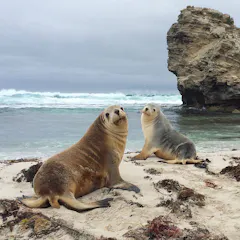
Using cameras and trackers attached to Australian sea lions, we explored previously unmapped ocean habitats off the South Australian coast. The data also fed into predictive computer models.

In some of the most remote places on Earth, tags attached to seals collect data at the cutting edge of ocean science.

Maritime folklore is awash with tall tales of monstrous waves. A new study gets closer to understanding where they come from and how to predict them.

Our new maps show coral reefs are more extensive than we thought.
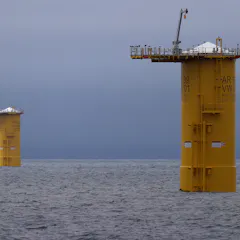
A recent study focusing on how offshore wind farms in Massachusetts waters could affect endangered right whales does not call for slowing the projects, but says monitoring will be critical.
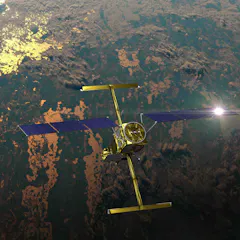
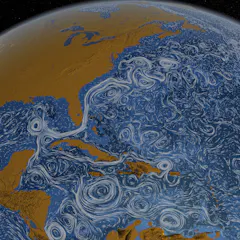
A sea voyage and a satellite mission will combine to produce a more detailed picture of the ocean’s currents than ever before.
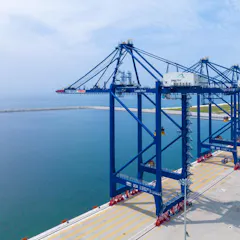
Nigeria’s new marine and blue economy ministry has promise but it must be well run.
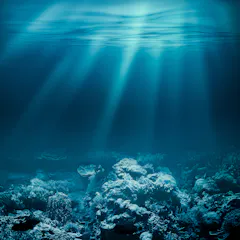
Marine heatwaves aren’t just on the surface. They can be at their most destructive when they sweep along the seafloor.
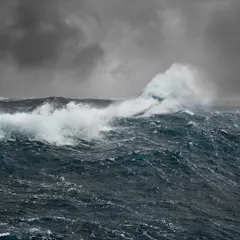
Expect more extremes and a range of ‘surprises’ to exacerbate the climate emergency.
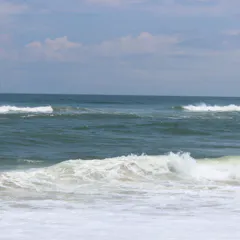
Rip currents are a leading cause of near-shore drownings, but there are effective ways to survive one. And these phenomena also play important ecological roles that are an emerging research area.
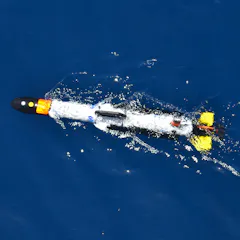
Dramatic improvements in computing, sensors and submersible engineering are making it possible for researchers to ramp up data collection from the oceans while also keeping people out of harm’s way.
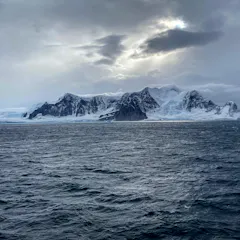
Working with underwater robots, scientists show how deep sea mountains and fast currents between Antarctica and South America play a crucial role in stabilizing the climate.
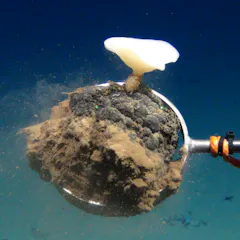
Mining nodules from the deep ocean seabed could provide the metals crucial for today’s EV batteries and renewable energy technology, but little is known about the harm it could cause.
The 2022 Prime Minister’s Science Prizes have been awarded for outstanding achievements in scientific research, innovation and teaching.
Top contributors
-

Professor of Coastal Oceanography, The University of Western Australia
-
Professor in Oceanography and Public Engagement, Utrecht University
-
Assistant Professor, UWA Oceans Institute, The University of Western Australia
-
Assistant Professor of Earth & Atmospheric Sciences, Georgia Institute of Technology
-
Associate professor, University of Tasmania
-
Professor in Oceanography, UNSW
-
Senior Lecturer in Ocean and Earth Science, University of Southampton
-
Senior Curator of Marine Invertebrates, Museums Victoria Research Institute
-
Associate Professor, UNSW
-
Professor; Executive Director, Institute for Marine and Antarctic Studies, University of Tasmania
-
Adjunct Principal Research Fellow, College of Science and Engineering, James Cook University
-
Professor in Physical Oceanography, Bangor University
-
PhD, University of Newcastle
-
Royal Academy of Engineering Chair in Emerging Technologies - Intelligent & Resilient Ocean Engineering, University of Southampton
-
Distinguished University Professor and Adviser in Marine Studies, Oregon State University