
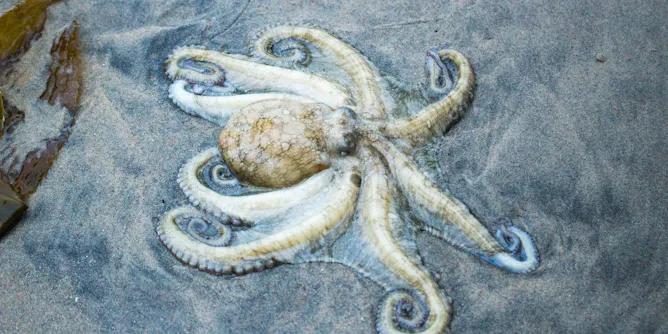
Over 20 cephalopods crawled on to New Quay beach. What was going on?
Articles on Marine biology
Displaying 141 - 160 of 198 articles
Scientists have just discovered an unusual symbiotic relationship between crabs and living corals.

Oysters grow in seawater and filter their food from it, so how do you shield them from waterborne diseases? Scientists are working to develop strains that are resistant to a fast-spreading herpes virus.
As the Discovery Channel and National Geographic Wild unleash a week of dueling shark programs, a biologist advises viewers to take what they see with a large grain of sea salt.
Surveying the bottom of the ocean turns out to be far from easy. But there was something wonderful about seeing animals we have only read about in old books.
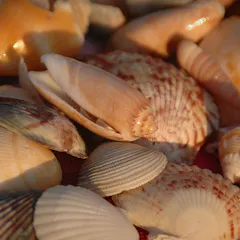
Maëlle, 7, wants to know why some shells are smooth, while others are corrugated. It turns out that while corrugated shells are strong, smooth shells can move fast.
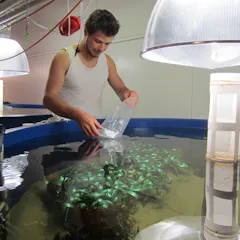
A new study suggests the benefits of a boost to marine plant growth from increased carbon dioxide will be cancelled out by the increased stress to fish species.
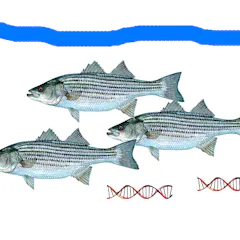
Animals shed bits of DNA as they go about their lives. A new study of the Hudson River estuary tracked spring migration of ocean fish by collecting water samples and seeing whose DNA was present when.
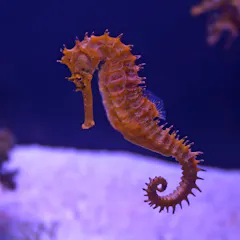
Scientists have sequenced the seahorse’s genome and found the genes that could explain male pregnancy.
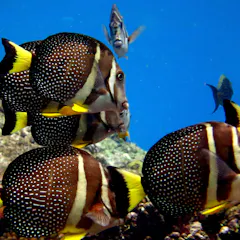
Plant-eating fish control the spread of seaweed and algae on coral reefs. New research explaining why populations of these fish vary from site to site could lead to better reef protection strategies.
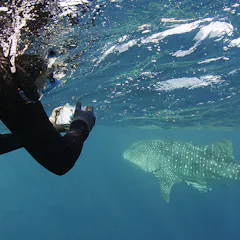
How you tell one whale shark from another? Spots and stripes.
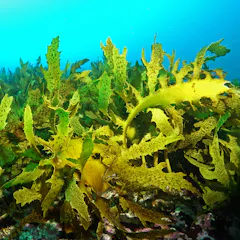
Cool-water kelp forests are being eaten by tropical species moving south on warming waters.
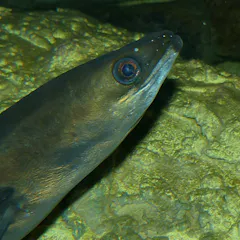
Scientists think the European eel spawns thousands of miles away in the Sargasso Sea – but no one has ever seen an eel there.

Most ocean species start out as larvae drifting with currents. Using underwater robots, scientists have found that larvae use swimming motions to affect their course and reach suitable places to grow.
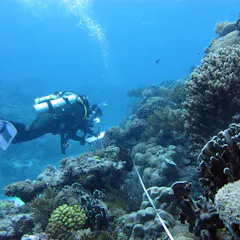
Marine parks need to cover large swathes of ocean, but they also need to cover the right areas if they are to deliver the best conservation. New research off Australia’s northwest suggests how.

Tiny animals along for the ride, called epibionts, could be used as living data-loggers. Researchers can glean info from them that could help inform turtle-friendly fisheries management decisions.
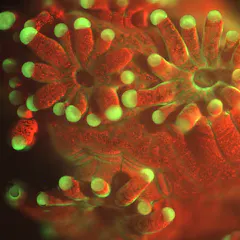
Could this new technology do for the microscopic marine world what the first telescopes did for the heavens above?
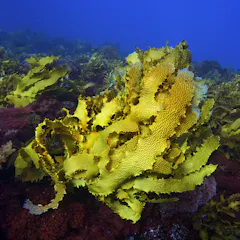
A 10-week surge in ocean temperatures off the Western Australian coast has killed off large patches of kelp forest, the “biological engine” of Australia’s southern reefs.
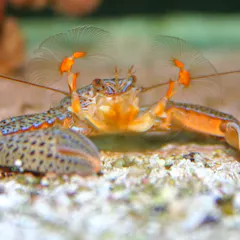
‘Smell-free seas’ would be a disaster for marine life.
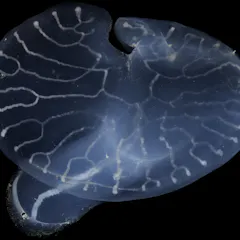
What scientists first thought was an ancient species that had survived undiscovered for many millions of years, turns out to be part of something equally mysterious.
Top contributors
-

Professor, Macquarie University
-
Senior Curator of Marine Invertebrates, Museums Victoria Research Institute
-
Executive Dean of the College of Arts, Sciences & Education and Professor of Biological Sciences, Florida International University
-
Associate Professor of Biology, Stephen F. Austin State University
-
Faculty Research Associate in Marine Biology, Arizona State University
-
Professor, Marine Biology, Adelaide University
-
Professor of Marine Botany, The University of Western Australia
-
Postdoctoral associate, University of Florida
-
Royal Society University Research Fellow, University of Sheffield
-
Research Marine Biologist, National Oceanic and Atmospheric Administration
-
Associate professor, University of Rhode Island
-
Founding Professor of the Minderoo-UWA Deep-Sea Research centre, The University of Western Australia
-
PhD Researcher in Marine Ecology, University of Exeter
-
Professor of Biology and Director, Kewalo Marine Laboratory, University of Hawaii
-
Professor in marine ecology, UNSW