
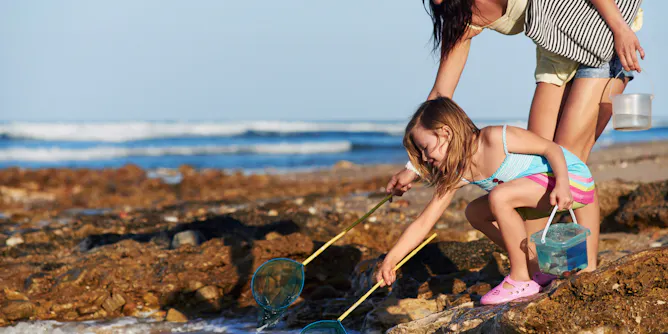
Elusive and mysterious by nature, ordinary people are revealing the secrets of the UK’s octopuses.
Articles on Marine biology
Displaying 121 - 140 of 198 articles
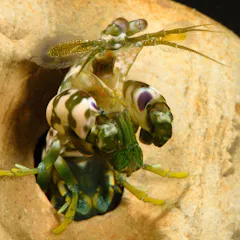
With superpowers other animals can only dream of, these crustaceans challenge sharks for the title of most amazing predator in the sea.
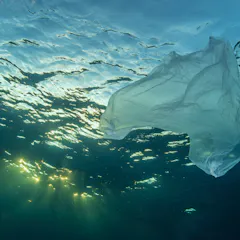
Tech fixes to environmental problems are guaranteed to grab attention, but real change for the planet requires community organising.
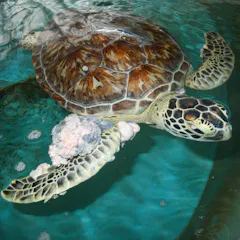
Sea turtles contend with a contagious disease that causes debilitating tumors. Genetic analysis is helping researchers figure out precision medicine-based treatments for the turtles.
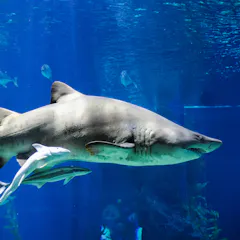
New research shows just how different male and female sharks can be.
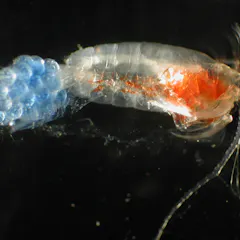
DNA sequencing is making it possible for scientists to identify thousands of species of zooplankton – drifting animals that are key links in ocean food webs.
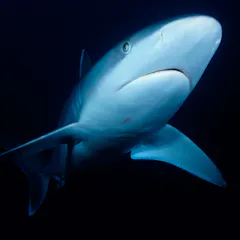
We cannot spot every shark in the ocean. But we can detect their ‘environmental DNA’.
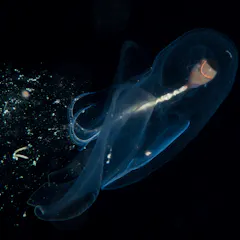
Biologists are finding new evidence that these ocean invertebrate grazers don’t just ingest whatever they catch. They can actually be picky eaters – and their choices might influence ocean food webs.
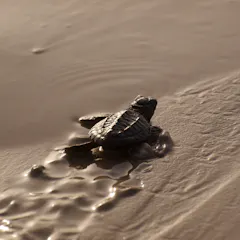
During sea turtle nesting season, scientists collect data and assess how turtles are doing. But they know less about how plastic pollution, fishing and warming oceans are affecting turtle numbers.
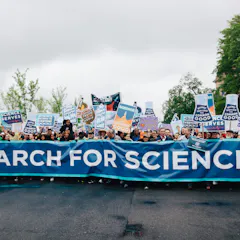
On the eve of the March for Science, a marine biologist explains why she’s returning from abroad to speak out for science in the Trump era.
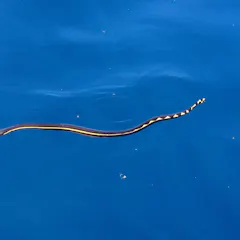
Sea snakes spend their lives in the water, giving birth to live young at sea, so why are they only found in some of the world’s oceans? The answer lies in a combination of climate and geography.
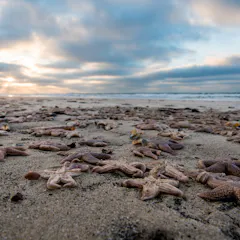
Extreme weather led to starfish mass strandings along beaches in Kent and East Yorkshire.
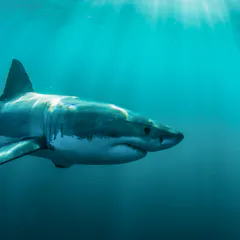
How many shark encounters have there been at your local beach? Explore our interactive map to see 20 years of incidents between humans and sharks in coastal waters around Australia.
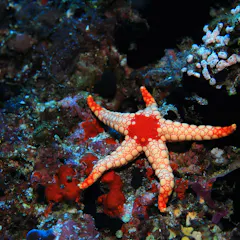
Nightvision, ejectable stomachs and regrowable arms mean starfish are more than meets the eye.

The Mariana snailfish lives nearly 27,000 feet underwater, but has features that help it adapt to intense water pressure and cold. Physiological limits may prevent fish from surviving in deeper water.
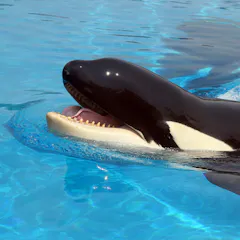
An animal behaviour expert gives his view on finding that a killer whale can copy the sound ‘hello’.
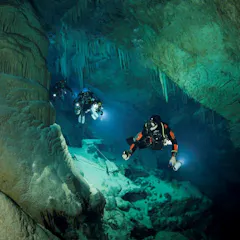
Scientific fieldwork that happens underground and underwater in spectacular but dangerous caves opens a window on a largely unknown world.
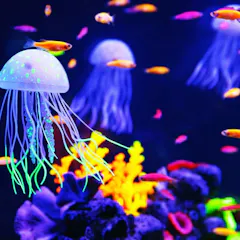
Jellyfish have a lot more going for them than blobby bodies and a sting.
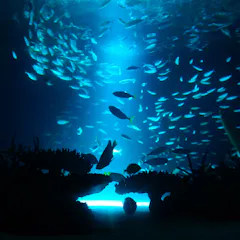
The sea remains the least explored habitat on our blue planet.
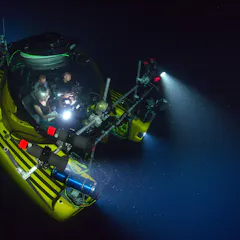
Few fish can survive in these freezing waters, so invertebrates are the dominant predators.
Top contributors
-

Professor, Macquarie University
-
Senior Curator of Marine Invertebrates, Museums Victoria Research Institute
-
Executive Dean of the College of Arts, Sciences & Education and Professor of Biological Sciences, Florida International University
-
Associate Professor of Biology, Stephen F. Austin State University
-
Faculty Research Associate in Marine Biology, Arizona State University
-
Professor, Marine Biology, Adelaide University
-
Professor of Marine Botany, The University of Western Australia
-
Postdoctoral associate, University of Florida
-
Royal Society University Research Fellow, University of Sheffield
-
Research Marine Biologist, National Oceanic and Atmospheric Administration
-
Associate professor, University of Rhode Island
-
Founding Professor of the Minderoo-UWA Deep-Sea Research centre, The University of Western Australia
-
PhD Researcher in Marine Ecology, University of Exeter
-
Professor of Biology and Director, Kewalo Marine Laboratory, University of Hawaii
-
Professor in marine ecology, UNSW