
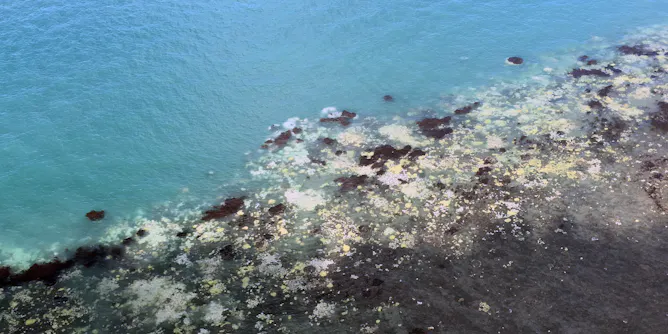
An estimated one-third of corals have now died in the parts of the Great Barrier Reef hit hardest by bleaching, meaning recovery could take years or even decades.
Articles on Marine biology
Displaying 161 - 180 of 198 articles
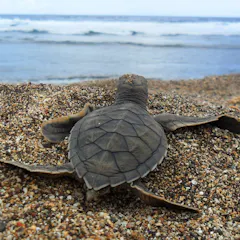
New research suggests turtle hatchlings work together with clutch mates to escape their underground nests.
The next cancer breakthrough could be found in international waters – but who’s in charge of the high seas?

The Great Barrier Reef might get all the attention, but what about our western coral reefs? Warmer waters and human impacts mean these reefs are in trouble.

The 2011 Japan tsunami illustrates how more marine creatures are crossing the oceans than ever before - and not all of them are friendly travellers.
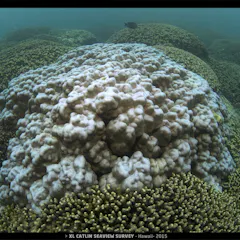
Many corals can’t make it through the bleaching events caused by warming ocean waters. But some can – and scientists are trying to learn more about the sources of their resilience.
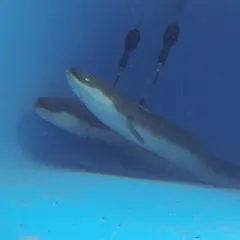
Much of what we know about these elusive eels’ life cycle has been based on circumstantial evidence. Now for the first time, scientists tracked an adult eel to its distant spawning ground.
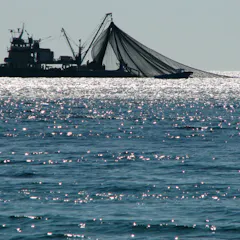
Fish numbers are rapidly dwindling globally, and fishery subsidies are one of the key drivers behind this decline.

Blue bottles have been washing up on beaches lately, but what exactly are they? And are you really supposed to pee on their stings?
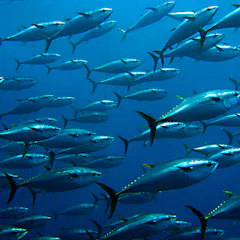
Over the past five years we’ve seen a significant increase in research on ocean acidification and warming seas, and their effect on marine life. Overall, unfortunately, the news is not good.
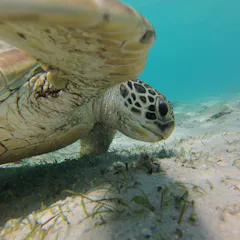
Sharks and other ocean predators help protect the ocean’s carbon stores by keeping other wildlife in check.
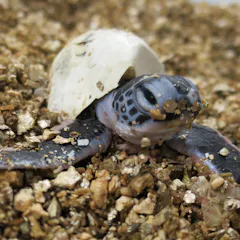
Immersion in seawater kills sea turtle eggs, suggesting that sea turtles are increasingly at risk from rising seas, according to research published today in Royal Society Open Science.
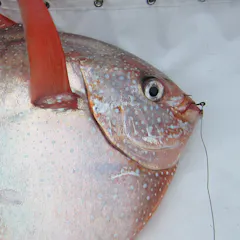
The opah fish circulates heated blood through its body like a bird or mammal, meaning it can outcompete its deep sea rivals.
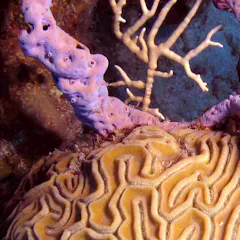
With their natural predators removed, sponges are free to take over coral reefs.
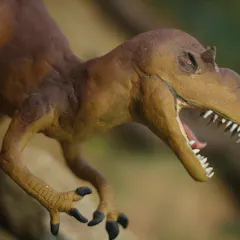
The end-Triassic mass extinction may be better known for preceding the rise of the dinosaurs, but it had a profound effect on oceans too.
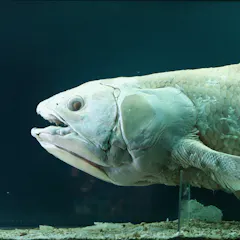
A new centre in Indonesia is dedicated to studying the curious and ancient Coelacanth.

How do these massive sea turtles stay on target as they migrate hundreds of miles through featureless open ocean?
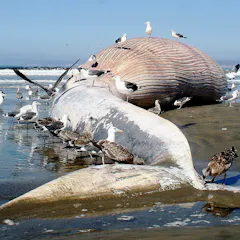
But the giants of the future won’t be the same fish, whales and sharks we know today.
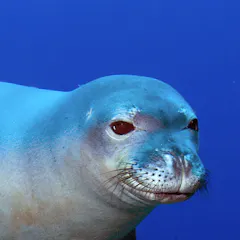
Gaze out from the deck of a boat and you will see an ocean that was, in Henry David Thoreau’s phrase, “equally wild and unfathomable always”. There’s a stark contrast in appearance here between the apparently…
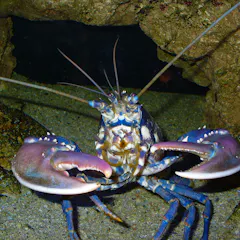
It has long been news that overfishing persists in many of the world’s oceans. Fish and invertebrate stocks have been over-exploited for our ever-hungry, growing human population, leaving some species…
Top contributors
-

Professor, Macquarie University
-
Senior Curator of Marine Invertebrates, Museums Victoria Research Institute
-
Executive Dean of the College of Arts, Sciences & Education and Professor of Biological Sciences, Florida International University
-
Associate Professor of Biology, Stephen F. Austin State University
-
Faculty Research Associate in Marine Biology, Arizona State University
-
Professor, Marine Biology, Adelaide University
-
Professor of Marine Botany, The University of Western Australia
-
Postdoctoral associate, University of Florida
-
Royal Society University Research Fellow, University of Sheffield
-
Research Marine Biologist, National Oceanic and Atmospheric Administration
-
Associate professor, University of Rhode Island
-
Founding Professor of the Minderoo-UWA Deep-Sea Research centre, The University of Western Australia
-
PhD Researcher in Marine Ecology, University of Exeter
-
Professor of Biology and Director, Kewalo Marine Laboratory, University of Hawaii
-
Professor in marine ecology, UNSW