
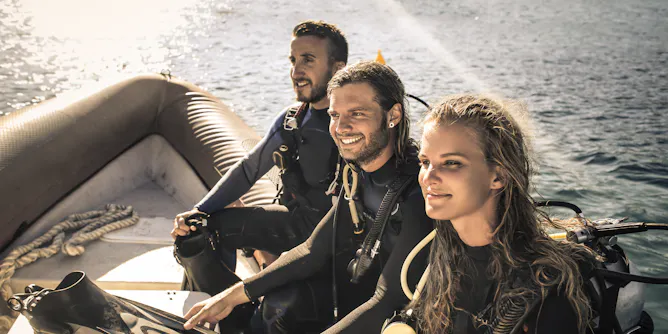
Growing awareness of sexual harassment and discrimination in the field prompted an international survey and research into potential solutions.
Articles on Marine biology
Displaying 41 - 60 of 198 articles

Nigeria’s new marine and blue economy ministry has promise but it must be well run.
Mounting evidence shows seismic surveys can harm a range of marine animals.
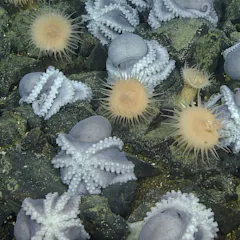
Thousands of pearl octopuses were discovered in 2018 lining thermal vents near a deep-sea volcano. Researchers now know why octopus moms gather there.
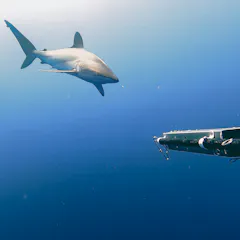
Open ocean sharks are globally threatened with extinction. Knowing where they are helps us protect them. Here, new research into silky sharks reveals priorities for conservation.

Rhino rays, which are close relative of sharks, are some of the most fascinating – and most threatened – fishes that you’ve never heard of.
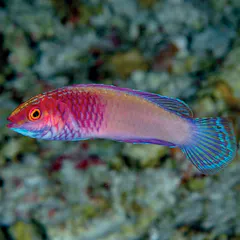
From fluffy crabs that wear sea sponge hats to worms that glow in the dark, scientists are constantly finding amazing new life forms in the ocean.
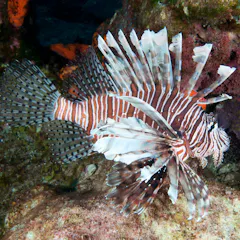
One of the most damaging invasive species in the oceans has breached a major barrier – the Amazon-Orinoco river plume – and is spreading along Brazil’s coast. Scientists are trying to catch up.

Environmental DNA provides a wealth of information for conservationists, archaeologists and forensic scientists. But the unintentional pickup of human genetic information raises ethical questions.
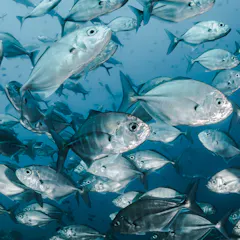
El Niño can trigger intense and widespread periods of extreme ocean warming known as marine heat waves. They can devastate marine life.
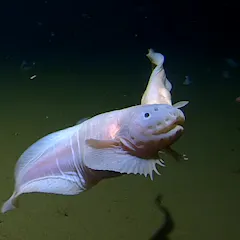
The discovery of the deepest fish in a Japanese trench raises the question, what else is out there? But before the mind leaps to all things dark and spooky, take a fresh look at life in the deep sea.
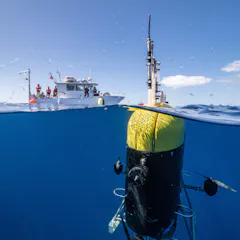
The ocean twilight zone could store vast amounts of carbon captured from the atmosphere, but first we need a 4D monitoring system to ensure ramping up carbon storage does no harm.
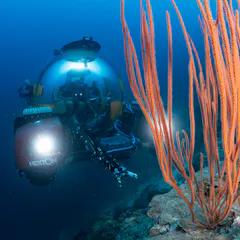
Considered too deep for most reef biologists, and too shallow for deep-sea researchers, most deep reefs are unprotected.
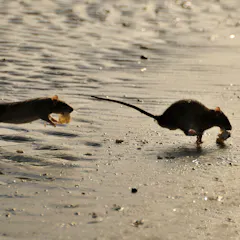
Rats are disrupting the flow of nutrients towards the sea on many tropical islands – this has consequences for fish behaviour and the wider ecosystem.

A new study shows that a time stamp can be put on mercury that accumulates in fish eyes, offering a window into their lifetime exposure.
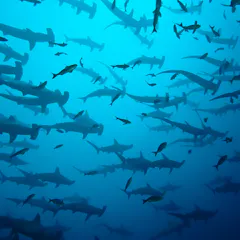
A study offers evidence that marine biology’s biggest stage is broken, and suggests ways to fix it.
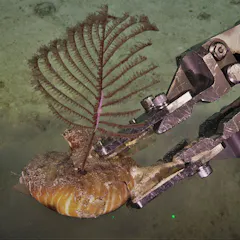
Black corals provide critical habitat for many creatures that live in the dark, often barren, deep sea, and researchers are learning more about these rare corals with every dive.

A mass die-off of crustaceans occurred on England’s north-east coast last autumn – the government’s explanation of the cause is unlikely to be true.

Scientists don’t know what prompts turtle hatchlings to emerge from their nests and head for the water, but vibrations appear to play a role.
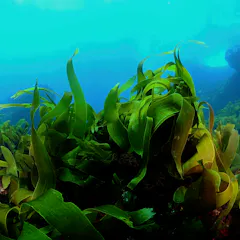
Our ocean forests of seaweed are enormous. But these quick-growing, life-supporting forests are already vanishing.
Top contributors
-

Professor, Macquarie University
-
Senior Curator of Marine Invertebrates, Museums Victoria Research Institute
-
Executive Dean of the College of Arts, Sciences & Education and Professor of Biological Sciences, Florida International University
-
Associate Professor of Biology, Stephen F. Austin State University
-
Faculty Research Associate in Marine Biology, Arizona State University
-
Professor, Marine Biology, Adelaide University
-
Professor of Marine Botany, The University of Western Australia
-
Postdoctoral associate, University of Florida
-
Royal Society University Research Fellow, University of Sheffield
-
Research Marine Biologist, National Oceanic and Atmospheric Administration
-
Associate professor, University of Rhode Island
-
Founding Professor of the Minderoo-UWA Deep-Sea Research centre, The University of Western Australia
-
PhD Researcher in Marine Ecology, University of Exeter
-
Professor of Biology and Director, Kewalo Marine Laboratory, University of Hawaii
-
Professor in marine ecology, UNSW