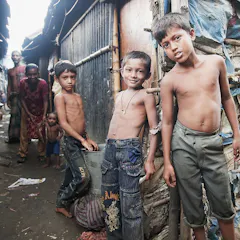
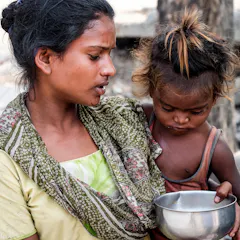
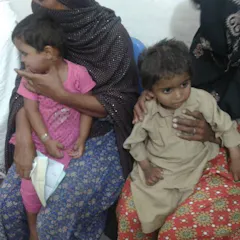
In many urban poor areas such as slums, programmes by governments and NGOs are established to help families and mitigate malnutrition. But are these effective?
Children are growing up hungry across Britain.
Daniel Jedzura/Shutterstock
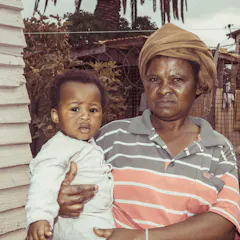
South Africa has problems with hunger and obesity and both are linked to malnutrition. But solutions like taxes, education, regulating food advertising and labelling can help the problem.
Africa has focused on tackling undernutrition caused by low calorie diets.
IFPRI
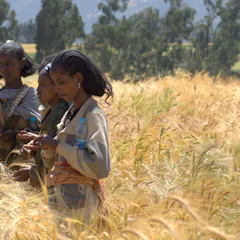
Policy choices made by Senegal, Ghana, Rwanda, Angola, Cameroon, Ethiopia and Togo over the past 15 years have led to significant reductions in child undernourishment.
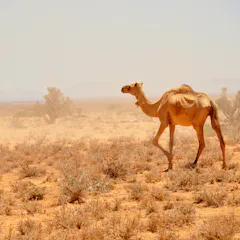
Somalia is a case of subtle connections between drought, food insecurity and conflict.
Oxfam East Africa
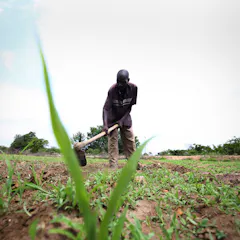
It’s wrong to blame climate change for famine and conflict. These can either be prevented, or the impact minimised, if institutions and mechanisms of good governance are in place.
Ecuador’s school snack programme focuses on pre-packaged, individual-sized items like juice boxes.
Bernardo Cañizares Esguerra
Up to 25% of Ecuadorian children suffer from malnutrition, and the country’s sugary school snacks aren’t helping. Kids need healthful, fresh food — not high-calorie humanitarian aid.
South African learners receiving two meals, despite being from arguably poorer backgrounds, had statistically significantly lower stunting levels than children receiving only one meal.
Tackling the challenge of stunting in South Africa needs a convergence of science and policy along with better coordination at all levels of government.
A new study calls for screening to lower the risk of malnutrition for older people.
from www.shutterstock.com
Carol Wham, Te Kunenga ki Pūrehuroa – Massey University
Old age comes with many challenges, including concerning levels of malnutrition. But screening and early intervention could make a substantial difference - and save health budget funds.
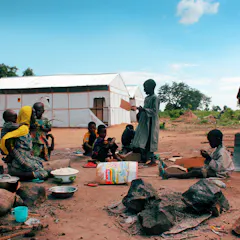
Children at a camp for people displaced by Boko Haram insurgents in North-East Nigeria.
Flickr/Immanuel Afrolabi
More than 788 health facilities have been destroyed in parts of North-Eastern Nigeria captured by Boko Haram insurgents, crippling health services in the area.