
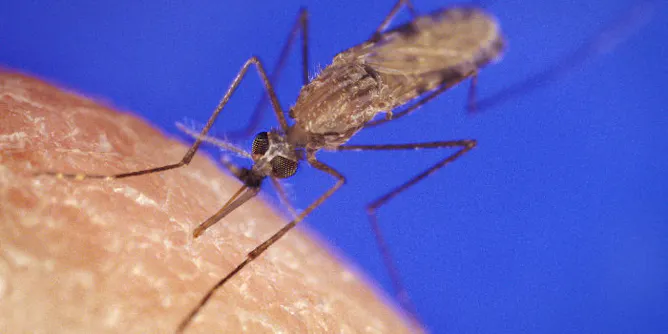
Quercetin, a plant-based flavonoid that give plants their bright colours, was found to disrupt malaria parasites.
Articles on Malaria parasite
Displaying all articles

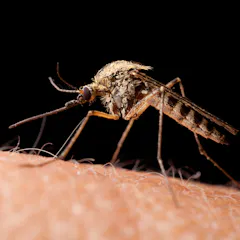
Anopheles mosquitoes transmit malaria.

We’ve all heard of antibiotic resistance. The same thing is happening with other causes of infections in humans: fungi, viruses and parasites. This is making thrush and other infections hard to treat.

Treatments for uncomplicated malaria remain mostly robust. But the arsenal against severe malaria and deaths is rapidly weakening. New options are urgently required.
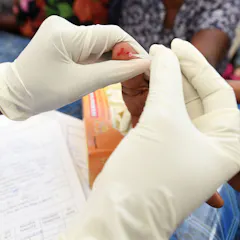
Nigeria must invest more in research and incorporate World Health Organisation-recommended interventions to eliminate malaria.
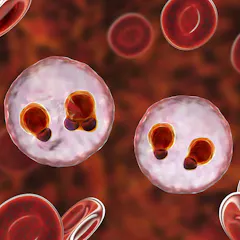
Genetic diversity of a parasite population might help us watch for drug-resistant parasites.
Significant new insights are emerging for the treatment of malaria, and eventually its eradication.
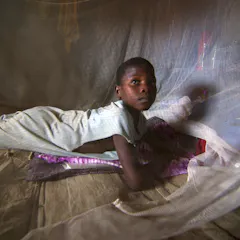
Kenya has managed to reduce the number of malaria cases in parts of the country. But this, in turn, has led to immunity levels dropping.
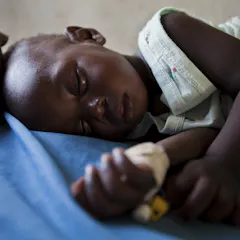
Malaria is a major public health problem that affects 106 countries globally. A rigorous and systematic approach to predict and control malaria transmission is needed.
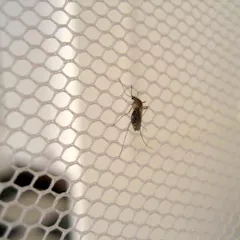
Malaria in South Africa is close to being eliminated but to complicate matters scientists have identified a second mosquito transmitting the disease.
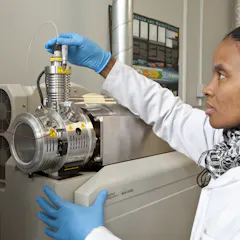
Scientists have discovered a second new compound that could eventually be developed into a medicine to help eradicate malaria.
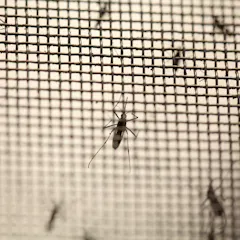
Innovations targeted at mosquito control are good but should not draw focus away from the tried and tested public health measures to control mosquito-borne diseases.
Resistance to a commonly used antimalarial medication, Atovaquone, can’t spread to the general human population, a new research found.
New genetic technology could change the DNA of entire species to prevent them from spreading diseases.
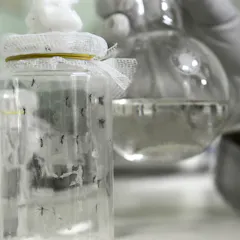
Across the world scientists are trying to find a new drug that the malaria carrying parasite will struggle to develop a resistance to.
Top contributors
-

Chief Research Officer, Kenya Medical Research Institute
-
Professor in Molecular Parasitology and Genetics, Federal University, Oye Ekiti
-
PhD Candidate , Medical Parasitologist, Kenya Medical Research Institute
-
Director of Wits Research Institute for Malaria in the Faculty of Health Sciences, University of the Witwatersrand
-
Associate Professor (Biochemistry) DST/NRF South African Research Chair (SARChI) in Sustainable Malaria Control, University of Pretoria
-
Professor of Mathematical Biology, University of Oxford
-
Board Certified Internal Medicine Physician and Public Health Scientist, MidMichigan Health, University of Michigan
-
Senior Research Fellow, School of Medicine, The University of Western Australia
-
Associate Professor at the Wits Research Institute for Malaria in the Faculty of Health Sciences, University of the Witwatersrand
-
Professor of Organic Chemistry, Neville Isdell Chair in African-centric Drug Discovery & Development, and Director of the Holistic Drug Discovery and Development (H3D) Centre, University of Cape Town
-
Former President of the Indonesian Academy of Sciences, Professor of Biochemistry and Molecular Biology, and Principal Scientist, Eijkman Institute for Molecular Biology
-
Associate Professor at the Wits Research Institute for Malaria in the Faculty of Health Sciences, University of the Witwatersrand
-
Professor, School of Biosciences, The University of Melbourne
-
Principal Research Scientist, National Institute for Medical Research (NIMR)
-
Honorary Professor, University of the Witwatersrand