
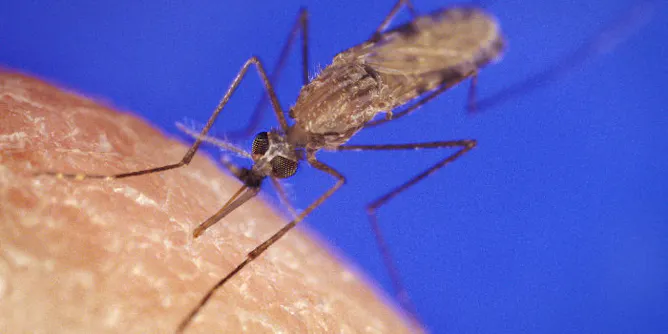
Quercetin, a plant-based flavonoid that give plants their bright colours, was found to disrupt malaria parasites.
Articles on Malaria drug
Displaying all articles

Anopheles mosquitoes transmit malaria.

The fight against malaria faces many obstacles, including funding cuts. But it remains far cheaper to prevent the disease than to treat it.
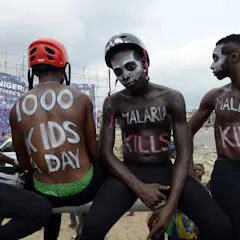
Nigeria must do more to reduce its high malaria burden.

A combination of herbs in Nigeria should be evaluated further as it offers potential to treat malaria, which is endemic in the country.
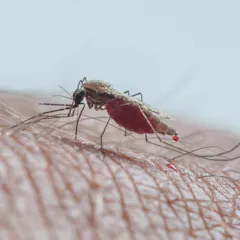
The countries share related populations, economies, ecologies and epidemiologies. This interconnectedness highlights challenges and opportunities for more effective malaria control across the region.
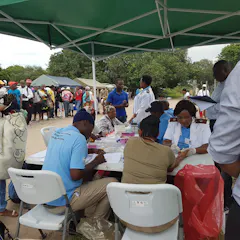
The South African Malaria Control Programme is one of the few on the continent that is entirely funded by government. The stable source of funding has allowed for steady malaria control interventions.
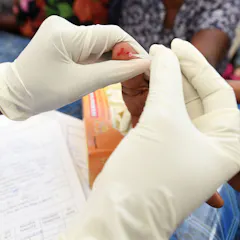
Nigeria must invest more in research and incorporate World Health Organisation-recommended interventions to eliminate malaria.
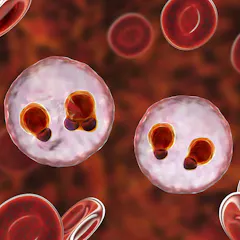
Genetic diversity of a parasite population might help us watch for drug-resistant parasites.
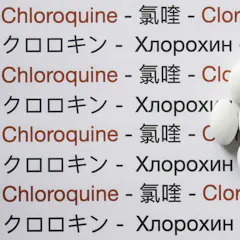
A new study not only shows that the malarial drug chloroquine doesn’t block SARS-CoV-2 from infecting lung cells, but also explains why.
Top contributors
-

Professor in Molecular Parasitology and Genetics, Federal University, Oye Ekiti
-
Director: UP Institute for Sustainable Malaria Control, University of Pretoria
-
UP ISMC: Project Manager and Coordinator, University of Pretoria
-
Medical scientist, National Institute for Communicable Diseases
-
Principal Medical Scientist and Head of Laboratory for Antimalarial Resistance Monitoring and Malaria Operational Research, National Institute for Communicable Diseases
-
Lecturer and Researcher, Stellenbosch University
-
Professor of Pharmacology, University of Ibadan
-
Professor, University of Ibadan
-
Professor of Chemistry and Biochemistry and President-Elect of the International Society for Antiviral Research, University of Maryland, Baltimore County
-
Lecturer, University of Lagos