

Children who fail to read regularly during long breaks from school will often see their reading ability drop. Here’s how to keep kids engaged in reading.
Articles on Literacy
Displaying 281 - 300 of 328 articles

Students reach the middle years of high school with poor vocabularies and unable to work with language in sophisticated ways.
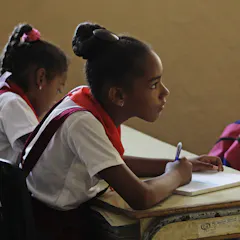
Cuba used three major methods to revolutionise its education system from the 1960s. The hard work has paid off and the system holds many lessons for other countries.
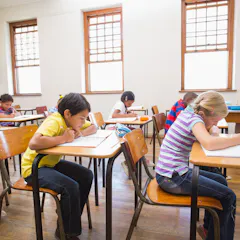
There is little evidence to suggest that testing teaching students on their literacy and numeracy will have any impact on the quality of teaching and learning in Australian classrooms.
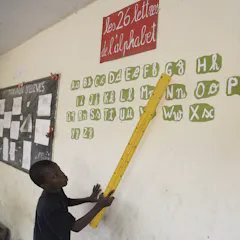
The benefits of learning through play are well documented. In rural communities in South Africa, “playing school” produces passionate lifelong readers.
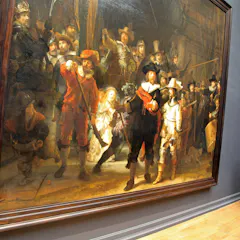
The history of the picture title is really a history of the last 300 years.
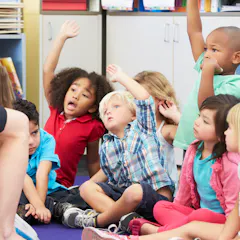
Phonics programs can be helpful for students with very particular learning needs - but it’s not a one-size-fits-all literacy solution. Here are some things you should be wary of.
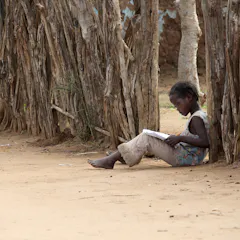
Textbooks have been at the centre of two major South African court cases. They may not be a magical cure for all the country’s education ills, but research shows they are a critical part of learning.

While it can be painfully repetitive to adults, re-reading your child’s favourite book aloud can help boost their vocabulary and fluency.

A new report finds children in care are less likely to achieve the national minimum standards in literacy and numeracy – with the gap growing as they get older.
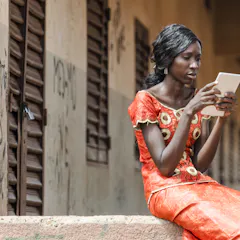
It may seem that in Africa, oral culture has the upper hand over literacy. But this is not the case.
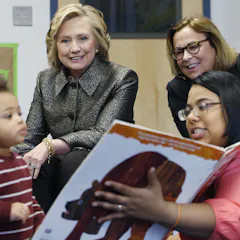
This research suggests that there is one simple way to equip your children for a life of literacy from their infancy: show them picture books.

Family meals – with lively conversation, storytelling and discussions of books and the tales they contain – feed children’s literacy skills.
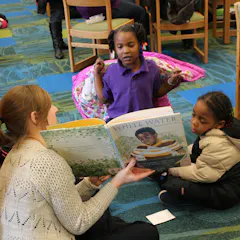
African-American children tell stories that are vivid, elaborate, and rich in imagery. These skills help support their early literacy skills. How can schools take advantage of this?
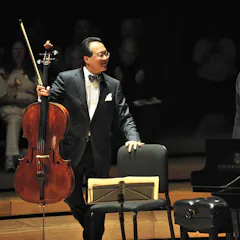
Music is good for the brain – and we’re now discovering how it helps our cognition.
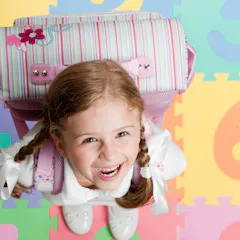
New research shows that children who start school young are struggling to keep up with curriculum targets.
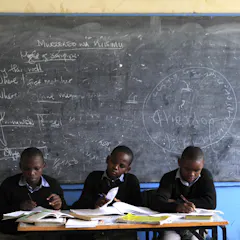
If Malawian children do not learn basic skills like reading, will this harm them in the long term? Recent evidence suggests the answer is yes – at least in terms of their health.
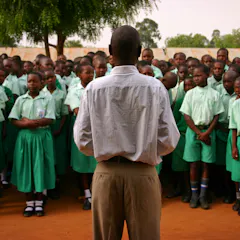
There is a chasm between the research knowledge base about reading literacy and teachers’ classroom practices. Standardisation could be a big part of the solution.
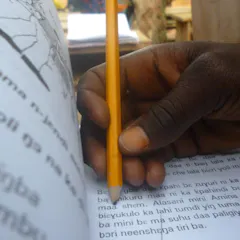
There are about one million children not attending formal school in Ghana, but a programme in two small villages is a reminder that learning happens outside traditional classrooms too.
Educational strategies and new interventions are being evaluated like never before as emphasis is increasingly put on finding out “what works” in teaching. Many of these studies are randomised controlled…
Top contributors
-

Professor, School of Education, University of Southern Queensland
-
Associate Professor in Language, Literacy and TESL, University of Canberra
-
Associate Professor, University of Southern Denmark
-
Professor, Werklund School of Education, University of Calgary
-
Senior Research DECRA Fellow, Institute for Learning Sciences and Teacher Education, Australian Catholic University
-
Professor of Education Futures, The University of Melbourne
-
Deputy CEO (Research), Australian Council for Educational Research
-
Professional Learning and Development Facilitator in Literacy Education, Te Kunenga ki Pūrehuroa – Massey University
-
School Education Program Director, Grattan Institute
-
Professor at the Australian Centre for the Advancement of Literacy, Australian Catholic University
-
Professor, Canada Research Chair in Determinants of Child Development, Owerko Centre at the Alberta Children’s Hospital Research Institute, University of Calgary
-
Professor of Cognitive Psychology, School of Education, La Trobe University
-
Professor in Language Education, member bua-lit collective, University of Cape Town
-
Senior Lecturer in Literacy, Edith Cowan University
-
Professor in Early Childhood Education and Community, University of Canberra