
The climate policies I research aren’t working – as I found out the hard way.
Articles on Landslides
Displaying 21 - 40 of 48 articles
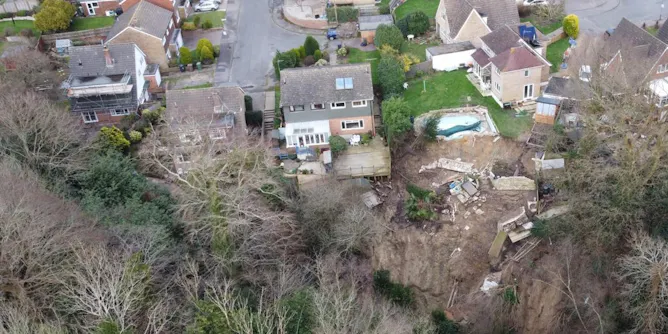
Satellites can detect land moving by just a few millimetres, but we can never be sure exactly how or when a slope will slide.
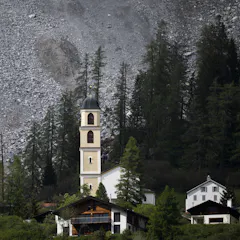
Haphazard construction has made the region more vulnerable to increasingly intense rainfall.
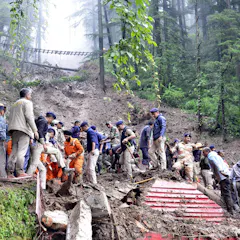
When we talk about landslides we need to talk about social justice.

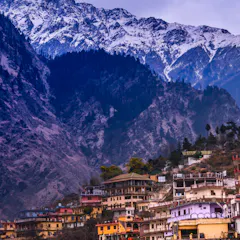
The ‘stickering’ of houses under section 124 of the Building Act, and decisions about when it’s safe to return, need to be informed by science. Affected communities should be involved at every stage.
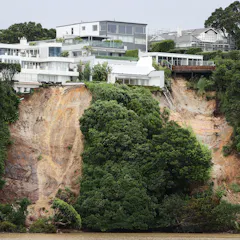
Building too close to cliffs and slopes, weak soils, lack of vegetation and increased rainfall all played a part in the massive storm damage to Auckland. The city needs to change the way it uses land.
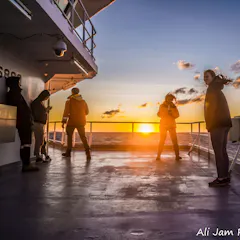
From a shipwreck to ancient dunes, these researchers created 3D visualisations of seafloor features around Australia – from as shallow as 22 metres to depths of over 4.8 kilometres.
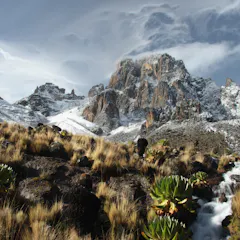
Mountain systems are sensitive to climate change. Loss of snow and ice sets off effects which have wide ranging consequences.
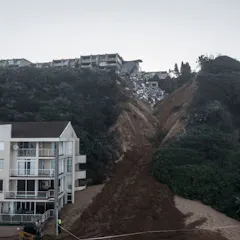
Sloping ground, water and clay combined to leave devastation in its wake in Durban.
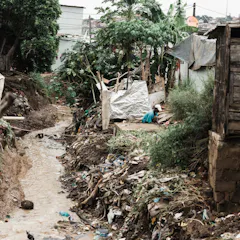
Women and girls living in poverty face many forms of discrimination and pressure during events like flood disasters.
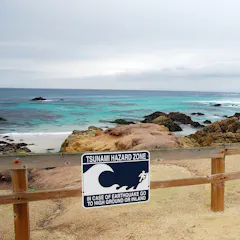
Climate change doesn’t just affect the atmosphere and the oceans, it affects the Earth’s crust as well.
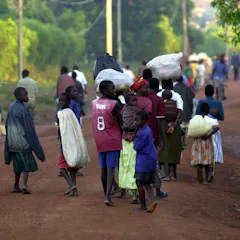
Displaced by a landslide, Ugandan survivors could not speak the language of the region where they were relocated - but music allowed them a voice.
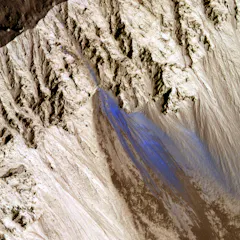
New research on landslides on Mars could help protect against devastating landslides on Earth.
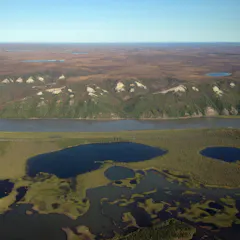
Climate change has caused a 60-fold increase in active landslides on one Canadian Arctic island.

A new report predicts that one-third of the ice in the Himalayas will melt, even if we contain global warming to 1.5C. So what does that mean for the flood-prone valleys below?
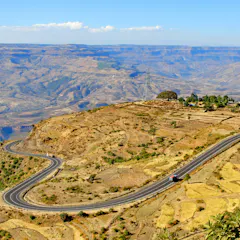
Smart roads in Africa could help reduce the impact of flooding and other disasters that affect rural communities.
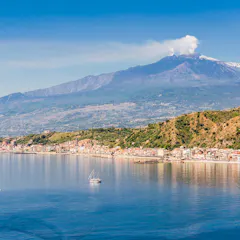
Gravity, not magma, is forcing Etna to move, increasing the chances of collapse.
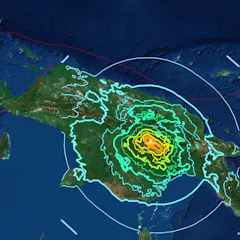
Why is Papua New Guinea so susceptible to landslides? Steep terrain, earthquakes and aftershocks plus recent seasonal rains have created an environment that is prone to collapse.

While the Montecito, California mudslides took 20 lives, landslides kill far more people in developing countries. Tighter construction standards and early warning systems could help reduce their toll.

A watershed scientist explains why post-wildfire landscapes are so susceptible to landslides – and why those risks are poised to rise.
Top contributors
-

Professor of Applied Geology, University of Auckland, Waipapa Taumata Rau
-
Vice-Chancellor, Nottingham Trent University
-
Associate Professor in Coastal and Marine Science, University of Newcastle
-
Associate Professor, University of Sydney
-
Adjunct Research Fellow, Curtin University
-
Professor of Ecosystem Science and Sustainability, Colorado State University
-
Lecturer, University of Sydney
-
Research Fellow, Lancaster Environment Centre, Lancaster University
-
Professor of Electronics, Second University of Naples
-
Senior Research Fellow, School of Environment, Earth and Ecosystem Sciences, The Open University
-
Professor of Biogeochemistry, University of Wollongong
-
Professor of Earth and Space Sciences, University of Washington
-
Senior lecturer, University of Sydney
-
Professor Emeritus of Clinical Psychology, University of Hertfordshire
-
Senior fellow, King's College London