

Emerging technologies such as lab-based meat could produce the same quality and quantity of protein on hundreds of times less land.
Articles on Lab-grown meat
Displaying all articles

One day, lab-grown tissue could give us new livers, help rebuild tissues damaged in accidents and enable personalised treatments for cancers.

Beans are best all round, followed by veggie burgers and lab-grown beef.

Past shifts in food habits suggest there are 2 paths to the adoption of new foods: One relies on familiarity and safety, the other on novelty and excitement.
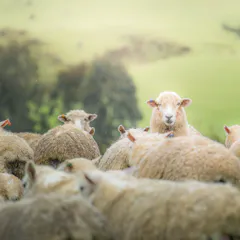
NZ’s sheep industry could be one of the biggest losers with the rise of alternative proteins. Once profitable industries will need to be ready to pivot away from animal-based products.

Including a positive way to think about tipping points.
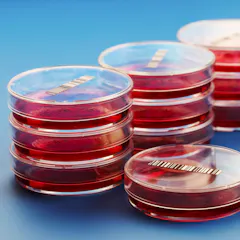
Cell cultures are common tools in biology and drug development. Bringing them up to scale to meet the meat needs of societies will require further development.
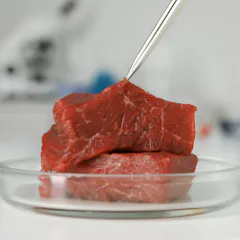
Stopping the production of lab-grown food will be bad news for the environment.

Cellular and microbial agriculture can make the same amount of food on a fraction of the land.
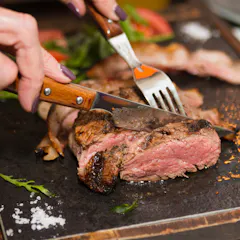
Meat has been a marker of class and gender divides, sparked scientific revolutions and has been at the centre of wars.
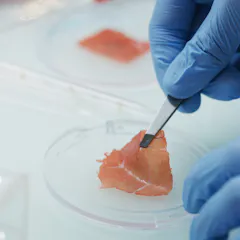
Technological advancements in food production have created new ways to meet the growing demand for protein. Canada’s investment in this industry may create jobs and reduce carbon emissions.
Plus, new research from Indonesia on the relationship between cigarette advertising near schools and children smoking.
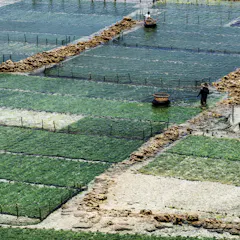
Awareness is increasing about foods like lab-grown meat, insects and seaweed. These foods may help address environmental challenges, but it’s important to be aware of both the costs and benefits.
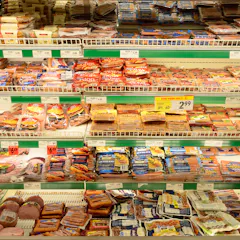
Meat producers are lobbying in many states to keep the word ‘meat’ off labels of plant-based products like the Impossible Burger. But this may not clarify shoppers’ choices.
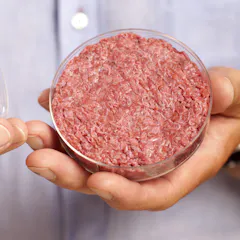
Surveys suggest fewer than half of Americans are looking forward to lab-grown meat. A moral psychologist examines common objections and why for the most part they’re not logical.

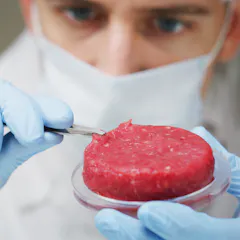
Cultured meat comes from cells in a lab, not muscles in an animal. While regulatory and technological aspects are being worked out, less is known about whether people are up for eating this stuff.
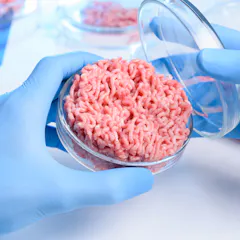
We need to address the mindset that enables this mass slaughter of animals in the first place.

Based on a seductive story of providing food with zero consequences, cellular agriculture promises to get rid of the ethical, environmental and health costs of animal husbandry. But is that realistic?
Top contributors
-

Postdoctoral Research Associate in Psychology, Yale University
-
Director of the Arrell Food Institute and Professor in the Dept. of Geography, Environment and Geomatics, University of Guelph
-
Lecturer in Philosophy, Fenner School of Environment and Society, Australian National University
-
Associate Research Scientist, Michigan State University
-
Postdoctoral research fellow, Stanford University
-
PhD Candidate in Biomedical Engineering, Tufts University
-
Professor, Management, University of Bath and Professor of Marketing, Concordia University
-
Dean of the College of Science, Professor of Biochemistry, Rochester Institute of Technology
-
Dosen Program Studi Kesehatan Masyarakat Fakultas Kesehatan, Universitas Dian Nuswantoro
-
PhD Candidate, Political Science, University of Victoria
-
Assistant Professor, University of Arkansas
-
Professor of Advanced Technology Transitions, Arizona State University
-
PhD Candidate, Geography, University of Guelph
-
PhD Candidate at the Leverhulme Center for Anthropocene Biodiversity, University of York
-
Director of SymbioticA;The Centre of Excellence in Biological Arts, Professor in Contestable Design, The University of Western Australia