
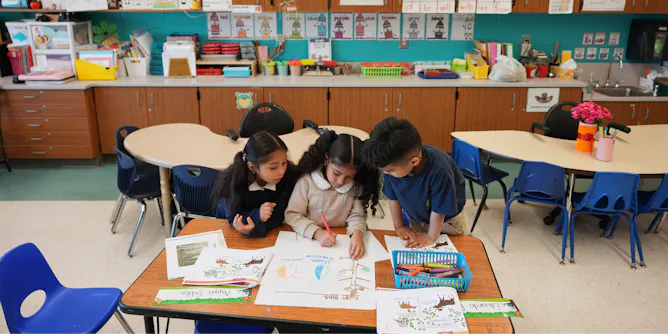
Inflexible meeting times, transportation and childcare challenges can limit parents or caregivers from getting involved in their children’s education.
Articles on K-12
Displaying 1 - 20 of 66 articles
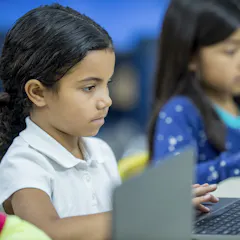
A significant amount of Philadelphia public schools’ technology and other equipment goes missing each year due to poor inventory and tracking.

When both parents appeared equally available, schools were 40% more likely to call students’ moms, rather than their dads.
As schools consider AI guidelines, educators are also thinking about how they can adjust their assignments to accurately measure what students are actually learning.
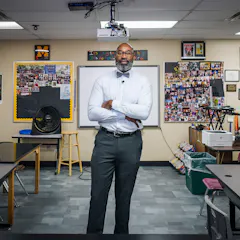
Many Black teachers were pushed out of classrooms from the 1950s through ‘70s. Despite new recruitment programs, the teacher workforce remains mostly white.

A review of nearly 100 years of high school yearbooks from Salinas High School in California showcases a nostalgic, not always accurate, version of high school.
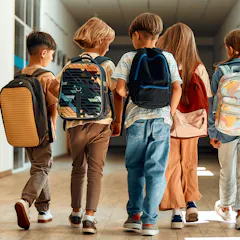
Standards-based grading provides a more transparent assessment of the extent the intended learning is happening in the classroom.
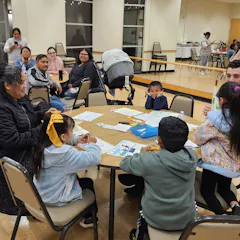
Researchers use text and image generators to design culturally relevant educational content for young children.
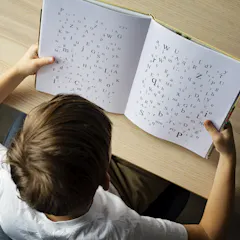
Dyslexia laws are now nearly universal across the US. But the data shows that passing a law is not the same as improving how children learn to read.

As AI spreads in special education, the question remains: Can these tools uphold the individualized, legally protected services students with disabilities need?
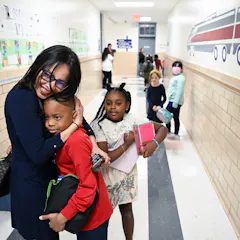
The current landscape of AI use in K-12 schools is highly varied because there’s little specific policy guidance from the state and federal levels.

AI tutors are often held up as an ideal, but prioritizing individualized teaching can detract from the benefits of learning in social environments.
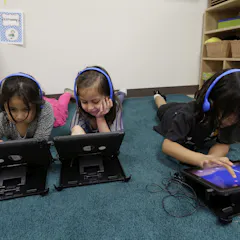
A meta-analysis of AI chatbots’ impact on student learning finds benefits when used properly, but risks of diminishing student motivation and confidence.

Common chatbots produce generic lesson plans that are unlikely to improve learning, a study finds. It shows how teachers should be critical users – not rapid adopters − of generative AI.

As AI automates technical work, students and educators need to emphasize social skills and a high degree of self-awareness.
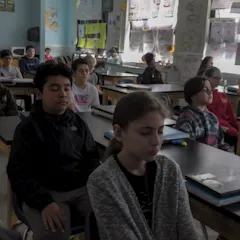
Understanding the nuances of what mindfulness can look like in a classroom can help educators, parents and policymakers decide whether it belongs in their schools.

Trump’s February 2025 ‘Dear Colleague’ letter instructed all schools that receive federal funding to rid their programming and policies of all DEI ideology, or else risk losing money.

Nationally, about 11 male educators die by suicide for every 100,000 people, compared with a rate of almost 23 for all Americans.

Educators must obey the law, meaning schools cannot impede a criminal investigation. But students and teachers have rights, too.

The state, once ranked near the bottom of education standings, dramatically improved student literacy rates while using little money.
Top contributors
-

Associate Professor of Education, Concordia University, St. Paul
-
Associate Professor of Criminal Justice Sciences, Illinois State University
-
Postdoctoral Fellow in International Issues and Sustainable Development, Indiana University
-
Assistant Professor of Educational Leadership, Binghamton University, State University of New York
-
Director of the School of Journalism & Strategic Media, Professor of Media Studies, Middle Tennessee State University
-
Professor, University of Wisconsin-Madison
-
Professor of Education Policy & Law; Director of the National Education Policy Center, University of Colorado Boulder
-
Associate Professor of Learning Sciences & Human Development, University of Washington
-
Associate Professor of Public Affairs and Administration, Rutgers University - Newark
-
Assistant professor of psychology and education, University of Wisconsin-Stout Polytechnic
-
Master's Student in Public Informatics, Rutgers University
-
Provost's Equity Fellow, Wesleyan University
-
Postdoctoral Research Associate, Department of Psychology, University of Wisconsin-Madison
-
Assistant Professor in Educational Leadership, Concordia University, St. Paul
-
Assistant Professor of Education and Human Development, Texas A&M University-San Antonio