

Unlike some other countries, junk food remains inexpensive and easily accessible in Australia and is widely marketed to kids.
Articles on Junk food
Displaying 21 - 40 of 112 articles
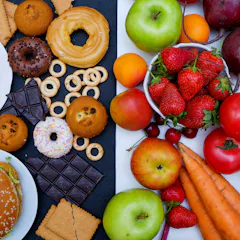
Ultra-processed foods that contributed the most dietary energy for Aussies included ready-made meals, fast food, pastries, buns, cakes, breakfast cereals, fruit drinks, iced tea and confectionery.

Exercise can’t make up for a poor diet, but it can help change eating habits. Regular exercise improves the brain and cognitive processes that help regulate junk food consumption and reduces stress.
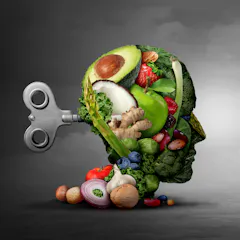
Ultra-processed foods high in sugar, fat and empty carbs are bad for the mind as well as the body. Lack of micronutrients affects brain function and influences mood and mental health symptoms.

B.C. recently began taxing sugary drinks. Examples from Europe show the scientific basis for taxing unhealthy foods may have little impact on whether these taxes are adopted or remain in place.

During the pandemic, Australians have been using food delivery apps more than ever. We’ve assessed how healthy the options available to us are — and the news isn’t good.

Our new research found some deals provided an astonishing 90% of the average recommended daily energy intake for adults.

Unhealthy foods are readily available and heavily marketed to us, especially at supermarkets.

Our research found personalised nutrition advice, compared to usual dietary advice, helped adults to eat healthier.

Conflicting injunctions, shaped locally, constantly reinvented: food in the cities of the global south escapes the narrative of Western standardisation.

Many of us don’t get an adequate amount of nutrients.

Our “food reward” system is powerful – and is largely behind why we crave unhealthy foods.

Popular social media platforms such as Facebook and Instagram fail to protect children from the marketing tactics of junk food advertisers. This needs to change.

We surveyed over 100 Coles, Woolworths, Aldi and independent stores around Australia and found supermarkets are promoting unhealthy food much more often, and more prominently, than healthier products.

Excessively eating junk foods during adolescence could alter brain development, leading to lasting poor diet habits. But, like a muscle, the brain can be exercised to improve willpower.

The steady flow of politicians and government staffers switching sides to lobby for powerful food, alcohol and gambling companies is a threat to public health.

Fat-shaming is as ineffective as it is cruel. The bullying tactic also ignores the biological factors underlying obesity, which are not always under a person’s control.

To understand how healthy a food is, we often look at fats and proteins, vitamins and minerals. But this approach overlooks one property that’s a key part of a food’s health potential – its structure.

Most people know that a poor diet can lead to heart disease, diabetes and even cancer. Few are aware that it can also cause blindness.

Our new study finds in Australian supermarkets, the lower the health star rating, the higher the discounts. The time is ripe for a national conversation about making discounts healthier.
Top contributors
-

Professor of Public Health Policy, Deakin University
-
Senior Fellow, Faculty of Medicine, Dentistry and Health Sciences, The University of Melbourne
-
Professor of Health Promotion, Dalhousie University
-
Professor of Public Health, Deakin University
-
Director of Cancer Programs, Cancer Council NSW; PhD Candidate in Nutrition & Dietetics, University of Sydney
-
Senior Lecturer (Adjunct), Nutritional neuroscientist, Adelaide University
-
Professor of Health Psychology, University of Surrey
-
Honorary Professor, University of Wollongong
-
Professor of Genetic Epidemiology, King's College London
-
Adjunct Senior Research Fellow, Adelaide University
-
Accredited Practising Dietitian and Lecturer, Southern Cross University
-
Postdoctoral research fellow, Deakin University
-
Senior Lecturer in Environmental Sustainability, School of Life and Environmental Sciences, Faculty of Science, Engineering & Built Environment, Deakin University
-
Professor of Violence Prevention and Addiction Studies, Deakin University
-
Professor of Public Health Nutrition, University of Sydney