
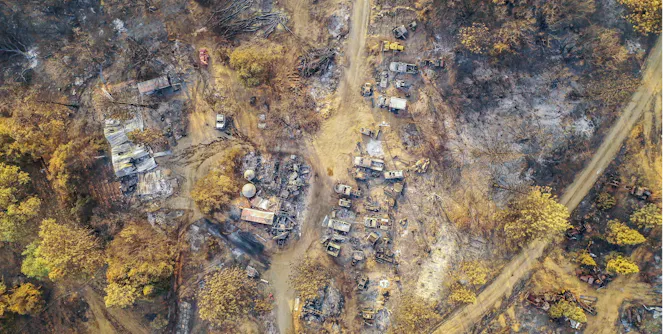
Drought conditions are so bad, fish hatcheries are trucking their salmon to the ocean and ranchers are worried about having enough water for their livestock.
Articles on Irrigation
Displaying 61 - 80 of 126 articles
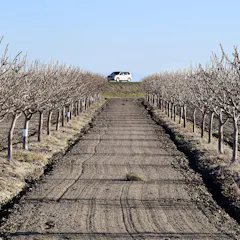
The US has one of the highest groundwater use rates in the world. When wells run dry, households may opt to conserve water, find new sources or sell and move.
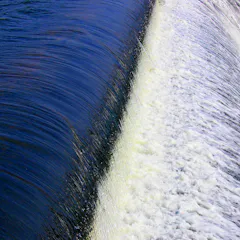
New research finds water markets in the southern Murray-Darling produce benefits of around $117 million per year.
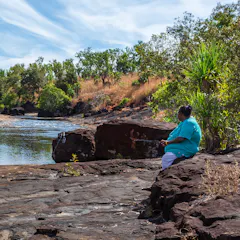
First Nations people have almost no say in how water is used in Australia. The Productivity Commission’s latest report does little to address that.
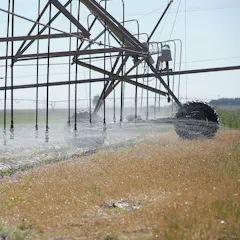
An invisible crisis is brewing in US farm country as the overpumped Ogallala-High Plains Aquifer drains. The key drivers are federal farm subsidies and the tax code.
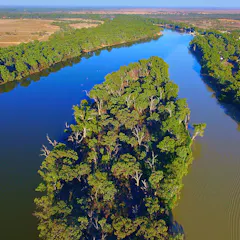
Marking farms more water-efficient pushes up prices twice as much as buying water back.
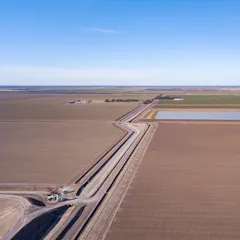
Knee-jerk responses to water insecurity won’t fix the basin. The harder and longer path is delivering real water reform, including transparent water planning enshrined in law.
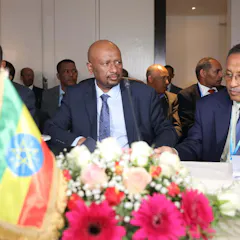
The Nile Treaties prevent upstream countries from using the waters of the Nile without the consent of those downstream. This results in an Egyptian bias.

The ‘New Bradfield’ scheme seeks to revive a nation-building ethos supposedly stifled by bureaucratic inertia. But there are good reasons the scheme never became a reality.
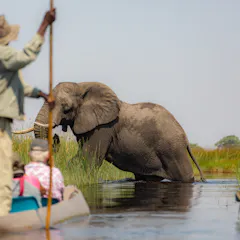
It’s imperative that we understand what creates and sustains the delta for the future management of the system.
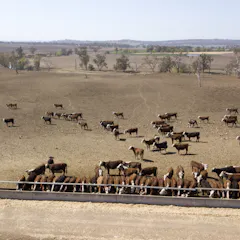
Yes, Australia naturally cycles through dry and wet periods. But that doesn’t mean we can simply build more dams and trust they’ll be filled.

Innovation in digital technology is accelerating – it has massive untapped potential for tackling the climate crisis.
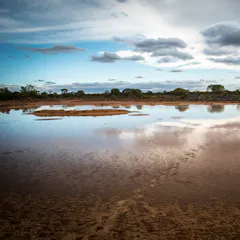
The Australian landscape is very old and the soils in inland areas can be very fragile.

A proposed plan to clean up New Zealand’s waterways draws clear limits on the expansion of dairy farming and irrigation, as well as on the use of nitrogen fertiliser in some key areas.
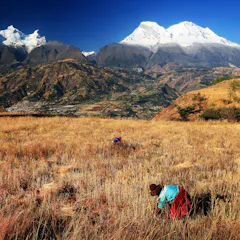
Peruvian glaciers have shrunk by 25% since 1987, causing water shortages in rural villages. But ancient technology could help manage this precious resource.

How can Australia’s new Inspector General be expected to inspect waterways without a firm grasp of how much water in in them?
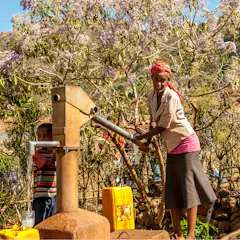
Good news – underground aquifers could be a reliable source of drinking water in sub-Saharan Africa even as the climate warms.
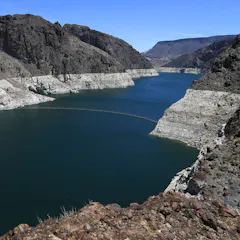
Western states adopted a 7-year plan in May 2019 to manage low water levels in the Colorado River. Now they need to look farther ahead and accept that there will be less water far into the future.

The latest Murray-Darling Basin scandal calls into question whether the government is using public money wisely.
Scientists are trying to figure out what risks changes in Lake Chad’s levels pose to people in the region.
Top contributors
-

Australian Laureate Professor of Economics, Crawford School of Public Policy, Australian National University
-
Professor, Fenner School of Environment & Society, Australian National University
-
Managing Director, Triple Helix Consulting; Honorary Professor, ANU Fenner School for the Environment and Society, Australian National University
-
Professor, School of Biological, Earth and Environmental Sciences, UNSW
-
Matthew Flinders Professor in Water Economics, Flinders University
-
Regents Professor Emeritus and Morris K. Udall Professor of Law & Public Policy Emeritus, University of Arizona
-
Professor of Economics and Head of School, Adelaide University
-
Adjunct Associate Professor, Centre for Regional and Rural Futures, Deakin University
-
Adjunct Professor Environment and Natural Resources, Crawford School of Public Policy, Australian National University
-
Senior Research Associate and Director, Western Water Policy Program, University of Colorado Boulder
-
Professor, Department of Civil, Geological and Environmental Engineering and School of Environment and Sustainability, University of Saskatchewan
-
Associate Professor of Civil Engineering, Boise State University; United Nations University
-
Professor, Business School, Adelaide University
-
Director of the Institute for Water, Environment and Health (UNU-INWEH), United Nations University
-
Professor, Department of Hydrology and Atmospheric Sciences, University of Arizona