
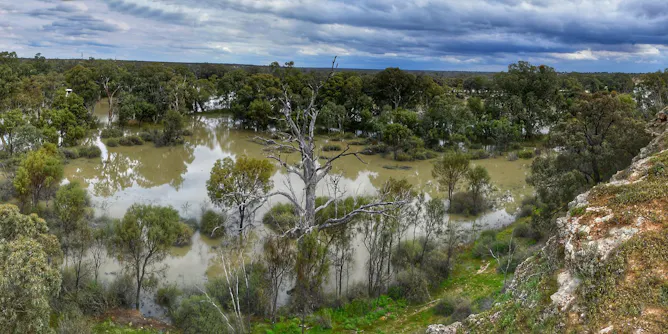
Victoria is planning to engineer wetlands so more water can go to agriculture. It’s not a good plan.
Articles on Irrigation
Displaying 41 - 60 of 126 articles
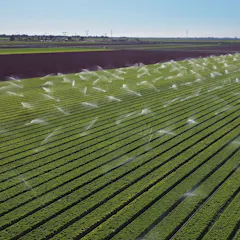
Two decades of drought have reduced the river’s flow by one-third compared to historical averages. The Biden administration is considering mandatory cuts to some states’ water allocations.

For the second time in five years, millions of fish suffocated in the Darling River. This was not a natural disaster – it’s our doing
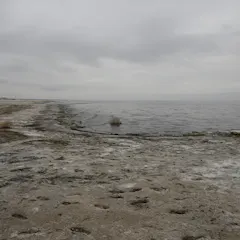
Fifty years ago, the Salton Sea was a draw for boaters and fishermen; today it’s an ecological time bomb. Two water experts who served on a state review panel describe its proposed rescue plan.

Coffee capsules aren’t the biggest carbon culprits. It’s better to use a capsule than to waste coffee and water.

Proper dam management can help check flooding in Nigeria.
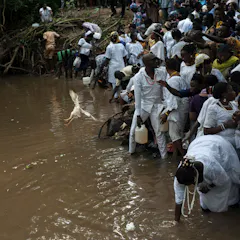
The ability of the Osun River to support biodiversity is being threatened by pollution and can only be rescued if the contamination ends.
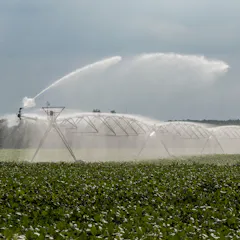
The Agricultural Internet of Things is making farming more efficient. An information technology expert describes some of the challenges of working with sensors and antennas underground.
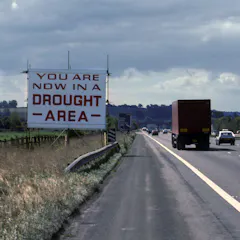
Unlike this time, the dry summer of 1976 followed a particularly dry year.
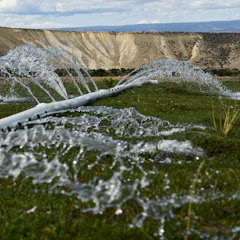
Stemming the water crisis in the western US will require cities and rural areas to work together to make water use on farms – the largest source of demand – more efficient.
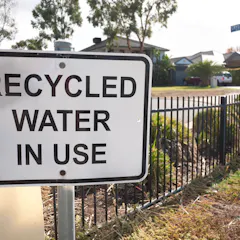
Researchers have long argued that greywater could bolster South Africa’s food security if it’s used to water domestic food gardens.

We need a radical rethink of water resource planning. Strategies should include reusing water and moving water physically to water-scarce areas.
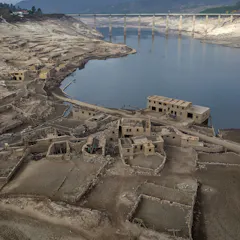
Water is central to adapting to climate change, but very few of the strategies put in place to respond to water hazards or ensure its availability have been evaluated.

Environmental footprint calculators may promise to help consumers lead a greener life. But they may in fact encourage choices that don’t benefit – or even harm – the environment.
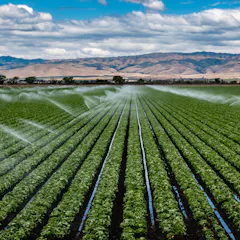
Groundwater is the second-largest store of water on Earth. Governments and industry use groundwater reservoirs to store waste, but it may also have environmental functions that haven’t been revealed.
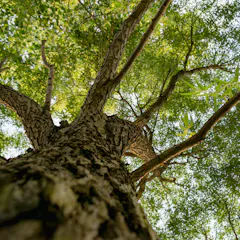
important decisions must be made today for urban greening programs to succeed in a warmer world.
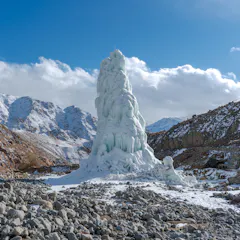
Constructed ice domes release water during dry periods when rain is blocked by high mountain ranges, stifling essential crop cultivation for rural communities.

As surface water diminishes in the Western US, people are drilling deeper wells – and tapping into older groundwater that can take thousands of years to replenish naturally.
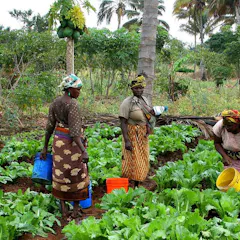
Barriers to independent national decision making in farming need to be challenged if agricultural sustainability is to be developed.
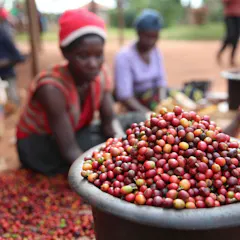
Kenya needs to address spending inefficiencies to attain the goals outlined in the budget.
Top contributors
-

Australian Laureate Professor of Economics, Crawford School of Public Policy, Australian National University
-
Professor, Fenner School of Environment & Society, Australian National University
-
Managing Director, Triple Helix Consulting; Honorary Professor, ANU Fenner School for the Environment and Society, Australian National University
-
Professor, School of Biological, Earth and Environmental Sciences, UNSW
-
Matthew Flinders Professor in Water Economics, Flinders University
-
Regents Professor Emeritus and Morris K. Udall Professor of Law & Public Policy Emeritus, University of Arizona
-
Professor of Economics and Head of School, Adelaide University
-
Adjunct Associate Professor, Centre for Regional and Rural Futures, Deakin University
-
Adjunct Professor Environment and Natural Resources, Crawford School of Public Policy, Australian National University
-
Senior Research Associate and Director, Western Water Policy Program, University of Colorado Boulder
-
Professor, Department of Civil, Geological and Environmental Engineering and School of Environment and Sustainability, University of Saskatchewan
-
Associate Professor of Civil Engineering, Boise State University; United Nations University
-
Professor, Business School, Adelaide University
-
Director of the Institute for Water, Environment and Health (UNU-INWEH), United Nations University
-
Professor, Department of Hydrology and Atmospheric Sciences, University of Arizona