
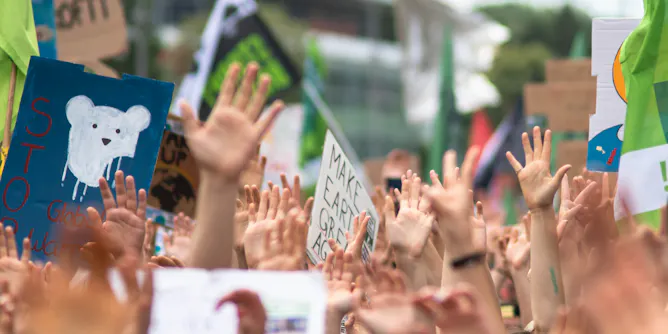
The outlook for potential emissions reduction is far better than in earlier assessments, thanks to the plunging costs of clean energy technologies.
Articles on Intergovernmental Panel on Climate Change (IPCC)
Displaying 81 - 100 of 243 articles
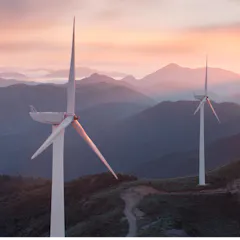
Humanity is off track to keeping global warming to 1.5°C. But if we pull out all stops, we’ve still got a chance.
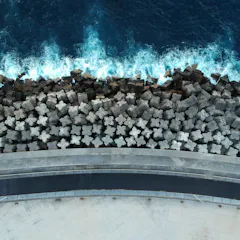
New breakwater designs and more sustainable materials can cut the carbon cost of coastal defences by 40%.
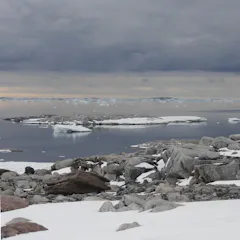
This seemingly one-off heatwave may be a harbinger for the future under climate change.
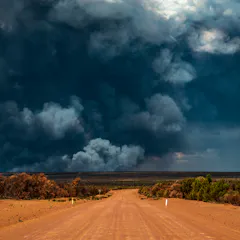
Three of the report’s 270 authors highlight some key findings.
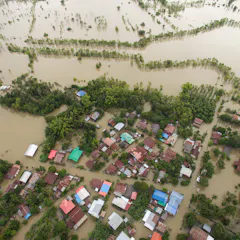
Plus, a section of a rocket is about to crash on the Moon. What scientists hope to learn from it. Listen to The Conversation Weekly podcast.
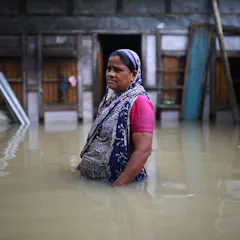
From melting glaciers to mounting storms, the impacts of climate change are global – but they’re not equally shared.
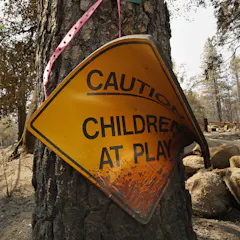
The author’s 9-year-old son will likely face about four times as many extreme events in his lifetime as older adults today. An international report explains the impacts already being felt.
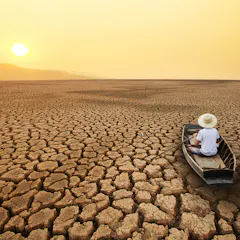
Decades of research shows disasters are caused human vulnerabilities rather than the climate itself.
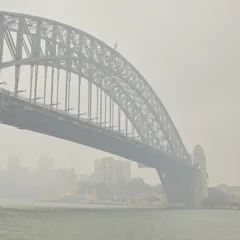
We are no longer in typical conditions. Climate change is already damaging human and natural systems we hold dear in Australia.
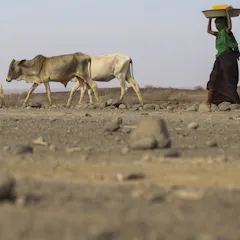
The IPCC is the global authority on climate change. Their new report paints a worrying picture of climate impacts already affecting billions of people, economies and the environment.
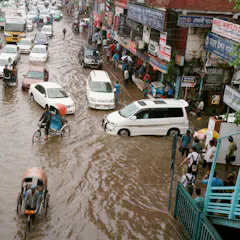
An author of the report explains the damaging effects climate change is already having and why adaptation is essential.

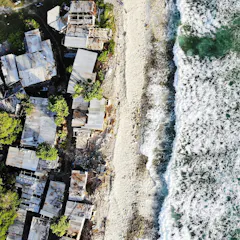
Hundreds of Africa’s heritage sites are exposed to sea-level rise and coastal erosion in the future.
What should climate scientists do in the face of ever rising emissions? They could continue providing more evidence, join climate activists – or stop work in protest against government inaction.

Diet - specifically veganism - and its impact on identity is becoming the focus of increasingly heated online discussions around climate change.
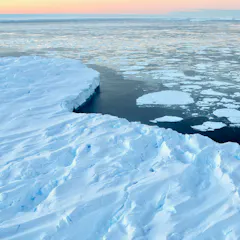
If the world is to adapt to sea level rise with minimal cost, we must address the uncertainty surrounding Antarctica’s melting ice sheet. This requires significant investment in scientific capacity.
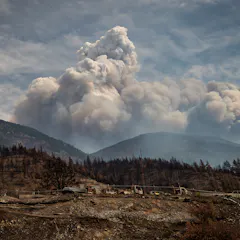
76 per cent of Canadians say environmental policy and sustainability is a priority when considering where to live.
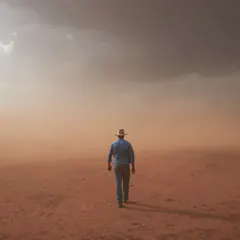
Australia must start planning for the loss of entire regional communities, and internal climate refugees.
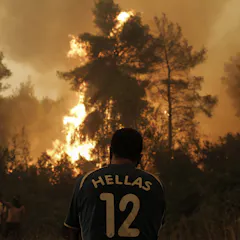
The world is acting on climate change – just not effectively.
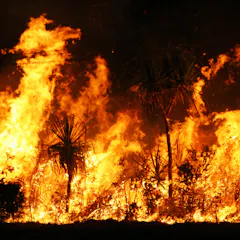
Studies show some animals can recognise the threat of fire, and behave in a way that increase their chance of survival. But what about wildlife who have evolved in areas where fire was once rare?
Top contributors
-

Honorary Associate Professor of Climate Science, The University of Melbourne
-
Host + Producer, The Conversation
-
Director, ANU Institute for Climate, Energy & Disaster Solutions, Australian National University
-
Professorial Research Fellow, Victoria University
-
Professor, Crawford School of Public Policy and Director, Centre for Climate and Energy Policy, Australian National University
-
Chief Research Scientist, CSIRO Environment; Executive Director, Global Carbon Project, CSIRO
-
Associate Professor in the Frederick S Pardee School of Global Studies, Boston University
-
Chief Scientist, Australian Antarctic Division and Professor of Climate Science, Australian National University
-
Professor of Law, The University of Melbourne
-
Emeritus Professor, Fenner School of Environment & Society, Australian National University
-
Deputy Director, Engagement and Impact, The ARC Centre of Excellence for the Weather of the 21st Century, Australian National University
-
ARC Future Fellow and Associate Professor in Climate Science, ARC Centre of Excellence for 21st Century Weather, The University of Melbourne
-
Professor of Atmospheric Sciences, Climate Change Research Centre, UNSW
-
Adjunct Professor of Energy, Murdoch University
-
Associate Professor, ARC Centre of Excellence for Weather of the 21st Century, Monash University