
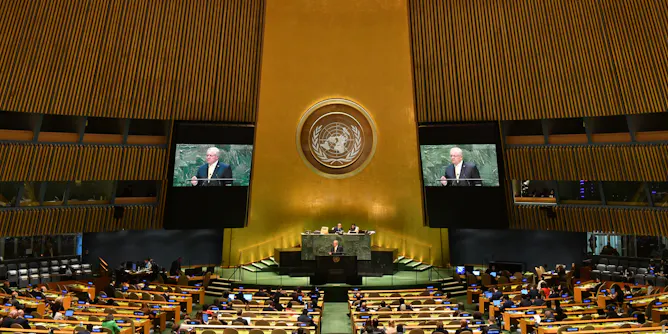
While a new report from the IPCC highlights the need for urgent climate change action, Morrison used his address to the UN to strongly defend the government’s performance on climate change.
Articles on Intergovernmental Panel on Climate Change (IPCC)
Displaying 141 - 160 of 243 articles
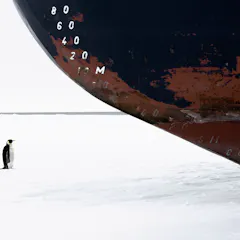
A new Intergovernmental Panel on Climate Change report makes clear human-induced climate change threatens the health and function of the ocean and cryosphere - the frozen regions of the Earth.
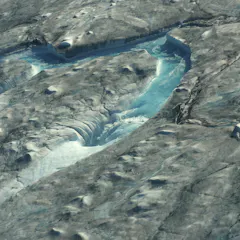
Studies show that the Arctic is heating up twice as fast as the rest of the planet.
The history of the UNFCCC shapes what is and isn’t possible today.
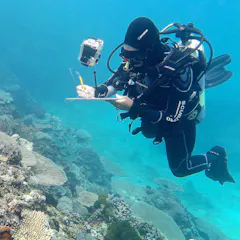
Few feel the pain of the Great Barrier Reef’s decline more acutely than the scientists trying to save it. Ahead of a UN climate summit, two researchers write of their grief, and hope.
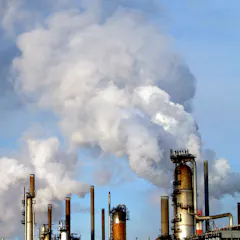
As a wealthy nation with global diplomatic and multilateral influence, Canada is among a small subset of nations uniquely positioned to act individually and collaboratively on climate change.
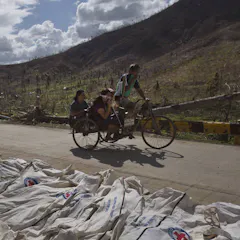
The Haiyan Typhoon disaster is a cautionary case for climate adaptation and mitigation because it demonstrates the seductiveness of survival myths.

Every word of the 40-page summary document has to be agreed by representatives of 195 governments.

Inequality in wealth, emissions and vulnerability means some are more responsible for climate action than others.

More than one-fifth of global warming emissions come from land use. Sustainable farming can make soil healthier and better able to soak up carbon, while saving energy and boosting food production.
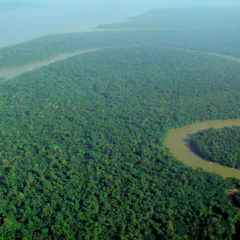
A new report calls land key to solving climate change. The good news is that there are strategies for reducing carbon emissions from land use that can also produce economic and social benefits.
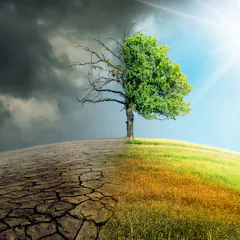
The ‘tractors and chemicals’ recipe for farming has let human populations boom, but left us with degraded soils.
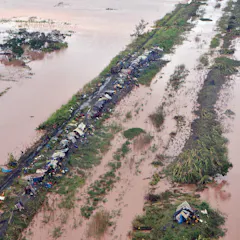
From New Orleans to Haiti to Mozambique, global inequality plays a major role in making disasters deadly.
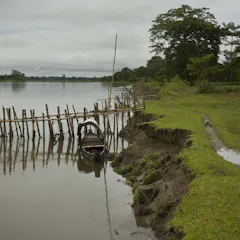
Climate change is a serious threat now for poor people in developing countries, but the COP24 conference in Poland offered them little hope of near-term emissions cuts or economic aid.

Applied games can help us to tackle problems like climate change by appealing to players’ hearts and minds.
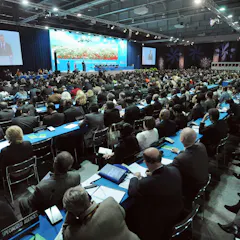
Thirty percent of global emissions will be generated from democracies governed by populist nationalist leaders who have very different playbooks than more traditional politicians.
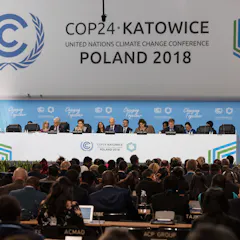
The Paris Agreement was a breakthrough in global climate talks, but nations now face major hurdles to meeting long-term emissions goals – and maintaining global support for the deal.
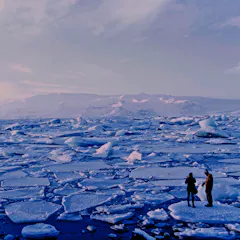
We must recognize the complexity of perspectives on climate change if we want to confront it.

Climate change conferences can be bewildering. Here’s a recap of how we got here, what to look out for at COP24 and what comes next.

According to a new study, the oceans have absorbed more heat from climate change than previously thought. This could mean the Earth will warm even faster in the future than scientists have predicted.
Top contributors
-

Honorary Associate Professor of Climate Science, The University of Melbourne
-
Host + Producer, The Conversation
-
Director, ANU Institute for Climate, Energy & Disaster Solutions, Australian National University
-
Professorial Research Fellow, Victoria University
-
Professor, Crawford School of Public Policy and Director, Centre for Climate and Energy Policy, Australian National University
-
Chief Research Scientist, CSIRO Environment; Executive Director, Global Carbon Project, CSIRO
-
Associate Professor in the Frederick S Pardee School of Global Studies, Boston University
-
Chief Scientist, Australian Antarctic Division and Professor of Climate Science, Australian National University
-
Professor of Law, The University of Melbourne
-
Emeritus Professor, Fenner School of Environment & Society, Australian National University
-
Deputy Director, Engagement and Impact, The ARC Centre of Excellence for the Weather of the 21st Century, Australian National University
-
ARC Future Fellow and Associate Professor in Climate Science, ARC Centre of Excellence for 21st Century Weather, The University of Melbourne
-
Professor of Atmospheric Sciences, Climate Change Research Centre, UNSW
-
Adjunct Professor of Energy, Murdoch University
-
Associate Professor, ARC Centre of Excellence for Weather of the 21st Century, Monash University