
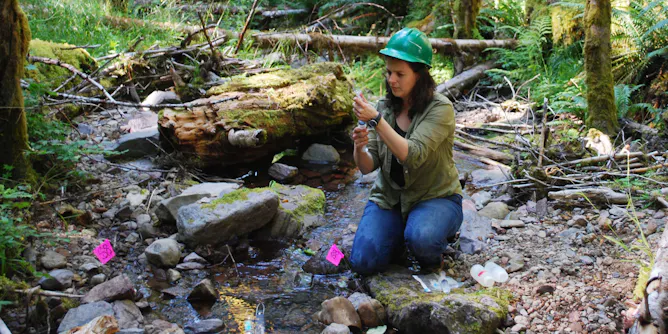
This kind of research, with consistent data collection at the same locations over time, helps support global understanding of climate change.
Articles on Intergovernmental Panel on Climate Change (IPCC)
Displaying 121 - 140 of 243 articles
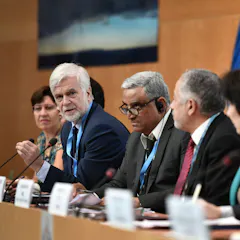
The IPCC’s review process is among the most exhaustive for any scientific process. Each report generates thousands of comments from hundreds of reviewers across a range of scientific perspectives.
Around the world, fragile coastal ecosystems are under intense pressure, and understanding and managing their complex interactions requires an integrated and interdisciplinary approach.
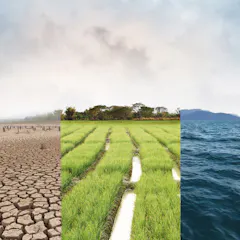
A holistic view of climate change risk considers climate hazards, exposure, vulnerability and the responses to these. It also takes into account how multiple risks interact.
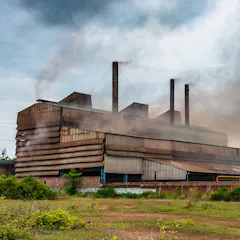
Countries cannot be expected to all tread the same path to net zero emissions.
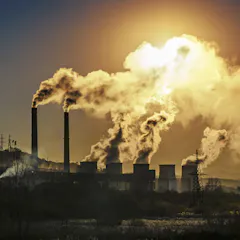
Humanity can still limit global warming to 1.5°C this century. But political action will determine whether it actually does. Conflating the two questions amounts to dangerous, misplaced punditry.
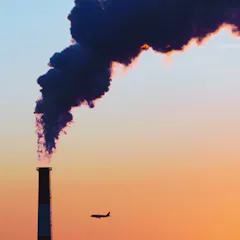
Prominent academics, including a former IPCC chair, round on governments worldwide for using the concept of net zero emissions to ‘greenwash’ their lack of commitment to solving global warming.

Australia must treble its emissions reduction targets and reach net-zero emissions by 2035. Without this and other radical global action, the chance to hold warming to well below 2°C will pass us by.

Discord and doubt are the last things the world needs at this critical moment.

The NSW floods are a textbook example of the theoretical impacts we can expect on Australian rainfall as climate change continues.
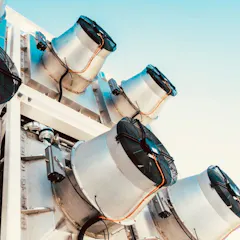
Machines using giant fans and filters can literally suck carbon dioxide out of the air. Sounds great – but the technology faces many challenges.
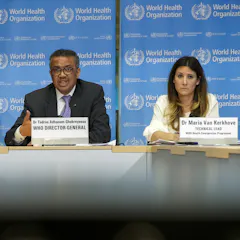
The WHO has been criticised for being slow to recognise the scale of the COVID-9 pandemic. We suggest a new protocol on infectious diseases to help with faster data collection and more open sharing.
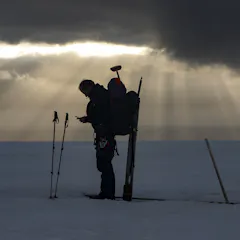
Three decades of growing scientific certainty about climate change have yielded little progress.
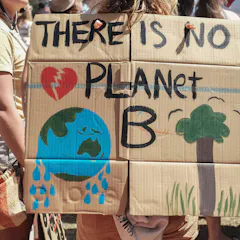
A new assessment found substantial warming is much more solidly assured than we thought.
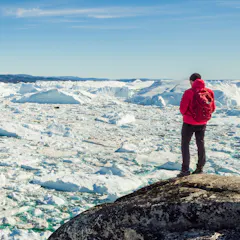
Humanity at risk if we keep thinking everything is under control

For decades Australian scientists have, clearly and respectfully, warned about the risks to Australia of a rapidly heating climate. After this season’s fires, perhaps it’s time to listen.
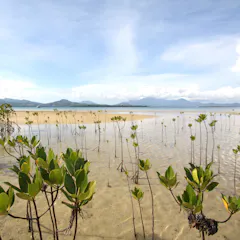
Promising to plant 100m trees a year is one thing; making them grow can be quite another.
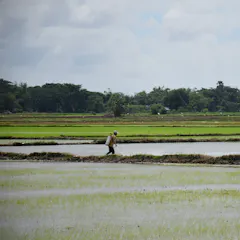
Climate change is causing oceans to become warmer and more acidic and to lose oxygen. Indonesian waters are not immune to these impacts.
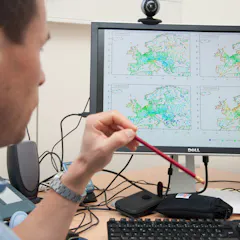
The climate emergency requires the full mobilisation of scientific institutions, but the persistent compartmentalization between disciplines and difficulties of adaptation hinder their action.
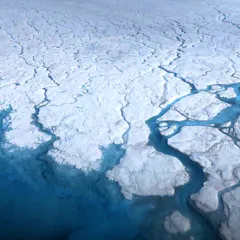
If nothing is done now, seas could rise a metre by 2100, and four metres by 2300.
Top contributors
-

Honorary Associate Professor of Climate Science, The University of Melbourne
-
Host + Producer, The Conversation
-
Director, ANU Institute for Climate, Energy & Disaster Solutions, Australian National University
-
Professorial Research Fellow, Victoria University
-
Professor, Crawford School of Public Policy and Director, Centre for Climate and Energy Policy, Australian National University
-
Chief Research Scientist, CSIRO Environment; Executive Director, Global Carbon Project, CSIRO
-
Associate Professor in the Frederick S Pardee School of Global Studies, Boston University
-
Chief Scientist, Australian Antarctic Division and Professor of Climate Science, Australian National University
-
Professor of Law, The University of Melbourne
-
Emeritus Professor, Fenner School of Environment & Society, Australian National University
-
Deputy Director, Engagement and Impact, The ARC Centre of Excellence for the Weather of the 21st Century, Australian National University
-
ARC Future Fellow and Associate Professor in Climate Science, ARC Centre of Excellence for 21st Century Weather, The University of Melbourne
-
Professor of Atmospheric Sciences, Climate Change Research Centre, UNSW
-
Adjunct Professor of Energy, Murdoch University
-
Associate Professor, ARC Centre of Excellence for Weather of the 21st Century, Monash University