
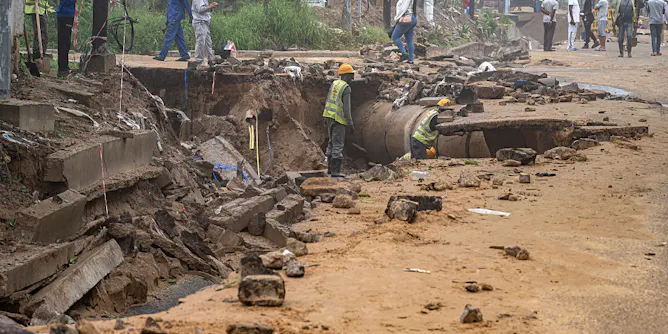
The most important thing to do is to lower the cost of capital for African countries.
Articles on Infrastructure
Displaying 41 - 60 of 757 articles
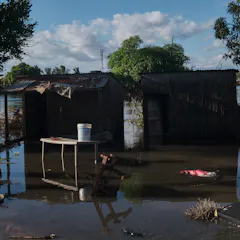
Flooding alters the environment in ways that favour malaria transmission.
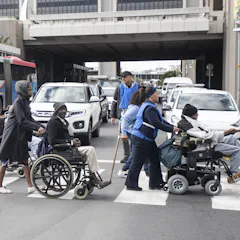
Structural barriers such as inaccessible infrastructure and lack of transport options affect South Africa’s reputation as a disability-friendly country.

Just 15% of Europe’s plastic waste gets recycled, but we can do better.
Providing street lighting will need a new approach to infrastructure development.

Working within existing informal regulations in Kenya’s sand industry would help boost livelihoods and inclusion.
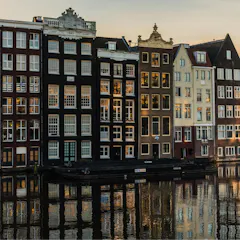
Australia shares many of the issues the European Commission’s plan tries to tackle, from lack of housing construction to taxation. Here’s are some lessons.
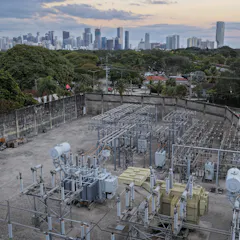
The US used a cyberattack to turn off power in Caracas during the raid to seize Maduro. The US grid is also vulnerable to this kind of attack.

Addresses are essential to society, governance and the economy in a modern world.
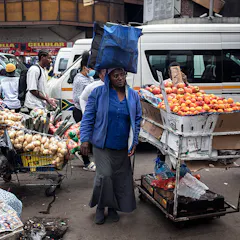
Informal trading is an integral part of the city of Johannesburg’s identity.

In a disaster or emergency, households can take steps to purify drinking water.

Permafrost supports homes and communities across Northern Canada. However, as the climate warms, melting permafrost poses significant challenges for infrastructure.
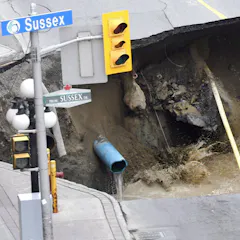
Sinkholes are not just costly inconveniences, they are growing threat to commercial activities, livelihood and property and are increasing in frequency due to climate change.

Concrete is the most widely used construction material, so developing ways to make it more durable can improve infrastructure and save millions in costs.

Better measuring the risks posed by rising sea levels and more intense storms requires rigorous, comparable and transparent assessment.
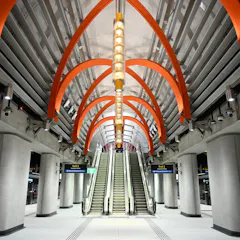
Melbourne’s rail network will feel the improvements immediately, but experience from Sydney and elsewhere shows changes in travel behaviour will take time.
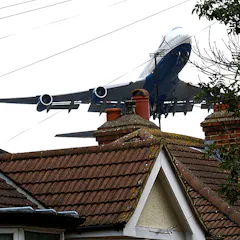
Even moderate night-time aircraft noise can increase insomnia – particularly children. The US and UK both do more to mitigate the noise around airports.

There’s a risk of a slide towards digital authoritarianism as Australia responds to these growing threats.

The head of ASIO says authoritarian regimes are more willing to disrupt critical infrastructure to damage the economy and sow social discord.
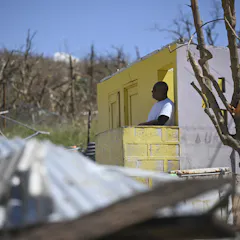
Melissa was just the latest blow, following close on the heels of Beryl. Many islands today have little time to recover before the next disaster hits.
Top contributors
-

Transport and Cities Program Director, Grattan Institute
-
Professorial Fellow, University of Canberra
-
Emeritus Professor of Public Policy, RMIT University
-
Associate Professor of Urban Planning, The University of Melbourne
-
Professor of Urban Policy and Director, Urban Futures Enabling Impact Platform, RMIT University
-
Senior Lecturer in Urban Planning, University of Auckland, Waipapa Taumata Rau
-
Professor of Sustainability, Curtin University
-
Executive Director, Better Infrastructure Initiative, John Grill Centre for Project Leadership, University of Sydney
-
Director of Energy Studies, University of Florida
-
Proprietor - Hale Consulting, The University of Melbourne
-
Executive Co-Director, UNU Hub on Empowering Communities to Adapt to Environmental Change, United Nations University; University of Calgary
-
Director, Centre for Western Sydney, Western Sydney University
-
Distinguished Research Professor and Australian Laureate, James Cook University
-
Head of Urbanism and Associate Professor of Urban Studies, School of Architecture, Design and Planning, University of Sydney
-
Professor of Earth Sciences and Executive Director, Environmental Resilience Institute, Indiana University