

Climate change is disproportionately affecting remote First Nations communities – as three experts explain.
Articles on Infrastructure
Displaying 21 - 40 of 757 articles

A German loan for fixing Johannesburg’s electricity utility is unlikely to make much difference to users yet: prices will probably rise faster than inflation.
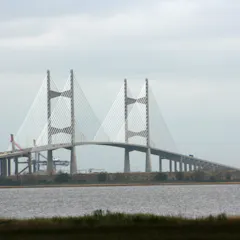
Sensors cannot replace bridge inspectors. They can help engineers see corrosion, cracks, scour and weak magnetic signals that eyes alone can miss.

Impact assessments prevent harm before it occurs. Circumventing the process before we understand the risks is misguided and a gamble with our collective future.

A new study shows it does rain more in cities, but the trend over time has been exaggerated by changes in satellites.
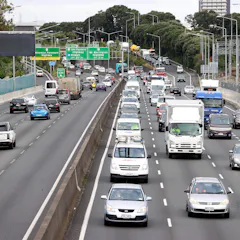
Budget 2026 increases road spending – while offering limited support for public transport, emissions cuts and climate resilience.
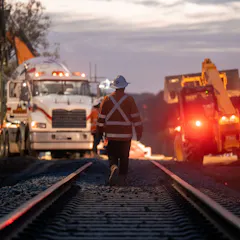
From Snowy Hydro to Inland Rail, projects get announced early, then costs soar tens of billions higher. Yet there are proven ways to stop that happening.

For Canada’s regulatory reform proposals to work, federal leaders need to stick to tight timelines even when faced with lawsuits and provincial pushback.

Long wait lists are the latest symptom of the aged care crisis. But this issue seems to be anything but a political priority.

The virtual world still runs on a very physical network – and states are waking up to the strategic implications.
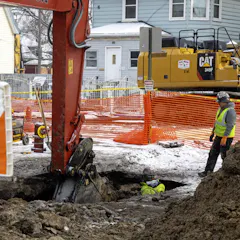
Some Detroit residents spend as much as 25% of their disposable income on water bills. Many are struggling to keep up.

With new spending and an operating surplus, the Victorian treasurer has delivered the goods. But the state’s huge net debt still looms large.
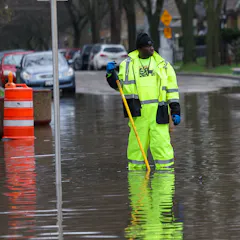
Days of intense rain and snowmelt overwhelmed old dams and breached roads, forcing evacuations. Nearly half the counties in Michigan – often seen as a climate haven – were under a state of emergency.

The largest sewage spill in US history wasn’t the first, and it won’t be the last.

Chinese-funded infrastructure projects in African cities are driven by the national elites and therefore do not necessarily lead to community-level improvements.
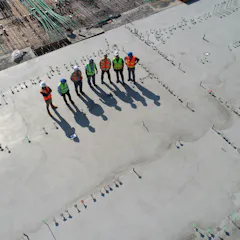
Essential infrastructure should serve local communities, not just the market.

Every city is different but they can learn from each other.
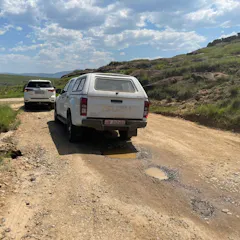
Infrastructure reflects political choices.
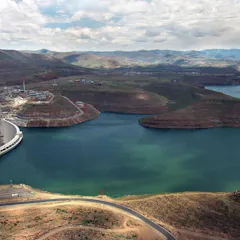
The Lesotho-South Africa water deal was clinched during the apartheid era and without public consultation.
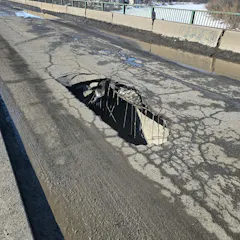
To ensure the safety of Canada’s aging infrastructure, policymakers must be proactive instead of reactive.
Top contributors
-

Transport and Cities Program Director, Grattan Institute
-
Professorial Fellow, University of Canberra
-
Emeritus Professor of Public Policy, RMIT University
-
Associate Professor of Urban Planning, The University of Melbourne
-
Professor of Urban Policy and Director, Urban Futures Enabling Impact Platform, RMIT University
-
Senior Lecturer in Urban Planning, University of Auckland, Waipapa Taumata Rau
-
Professor of Sustainability, Curtin University
-
Executive Director, Better Infrastructure Initiative, John Grill Centre for Project Leadership, University of Sydney
-
Director of Energy Studies, University of Florida
-
Proprietor - Hale Consulting, The University of Melbourne
-
Executive Co-Director, UNU Hub on Empowering Communities to Adapt to Environmental Change, United Nations University; University of Calgary
-
Director, Centre for Western Sydney, Western Sydney University
-
Distinguished Research Professor and Australian Laureate, James Cook University
-
Head of Urbanism and Associate Professor of Urban Studies, School of Architecture, Design and Planning, University of Sydney
-
Professor of Earth Sciences and Executive Director, Environmental Resilience Institute, Indiana University