
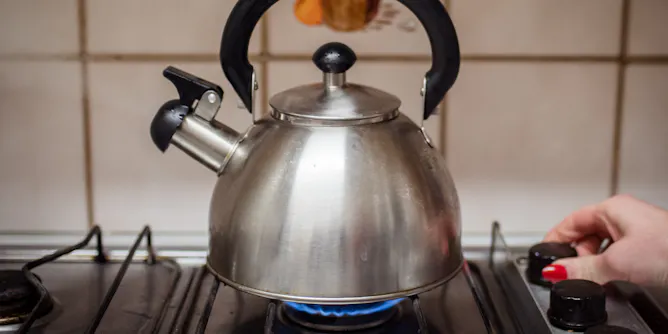
People with poorly controlled asthma may be able to breathe easier by making a change in the kitchen.
Articles on Indoor air pollution
Displaying all articles
What you don’t see when you burn a candle.
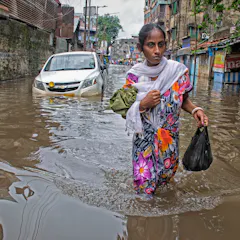
Preventable suffering is both widespread and socially produced.

Air pollution, including exposure inside homes, contributes substantially to premature death worldwide.

An atmospheric chemist offers quick, easy and inexpensive suggestions to reduce indoor air pollution.

For nearly a third of the world, the most dangerous air is inside their own homes.
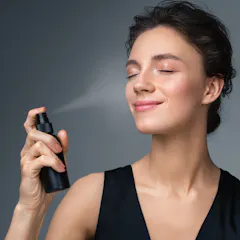
Personal care products, such as hairspray, perfume and deodorant, can contain potentially toxic chemicals. Here’s what you need to know.

Home fragrances can smell gorgeous – but here’s why some could prove hazardous to health
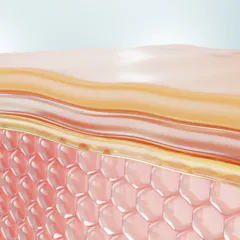
These pollutants can originate from many common household products – including vinyl flooring, plastic toys, cleaning products and furniture.
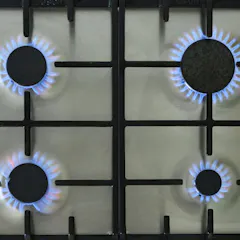
The natural gas industry has spent years trying to undermine scientific findings about gas stoves and health. If this sounds familiar, that’s no accident.

For students to learn in a safe, healthy environment, school administrators must deal with a myriad of potential environmental contaminants, from allergens to cockroaches.
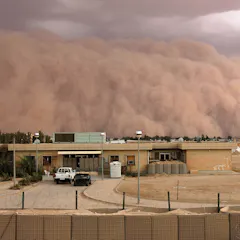
Desert dust storms are increasingly picking up materials like sewage, herbicides and other human-made waste and transporting them on tiny particles that are easy to inhale.
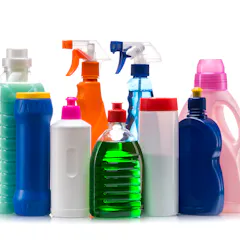
Manufacturers don’t usually have to disclose what’s in products like shampoo and household cleaners, but a new study finds that these products can contain hazardous ingredients.

We’re all exposed to harmful air pollution when cooking – but retrofitting our homes to save energy may complicate matters.
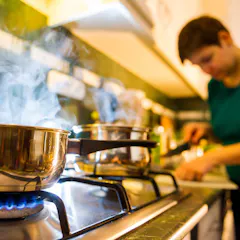
Fry less, open doors and windows and switch to an electric stove if possible.

Indoor air quality is affected by many things – and intentionally releasing a mix of chemicals is high on the list.
The environmental awards gave cash to climate scientists, conservationists and inventors.
Top contributors
-

Research Fellow in School of Public of Health, University College Cork
-
Senior lecturer in Exposure Science, University of Galway
-
Professor of Environmental Science, American University of Sharjah
-
Associate Professor, Department of Environmental and Resource Engineering Indoor Environment, Technical University of Denmark
-
Ph.D. Candidate in Analytical Chemistry, Colorado State University
-
Professor of Earth System Science, UCL
-
Lecturer in Economics, University of Reading
-
Visiting Scholar, Social Science Environmental Health Research Institute, Northeastern University, Northeastern University
-
Course Director, MSc Environmental Change and Management, University of Oxford
-
Associate professor, Deakin University
-
Adjunct Assistant Professor of Environmental Health, Boston University
-
Associate Project Scientist and Continuing Lecturer in Environmental Health Sciences, University of California, Berkeley
-
Research Professor in Environmental Science, American University
-
Professor and Chair, Department of Environmental Health, Boston University
-
Professor & Chair in Air Quality and Health; Founding Director, Global Centre for Clean Air Research (GCARE), Co-Director, Institute for Sustainability, University of Surrey, University of Surrey