

Answers to some of the most common questions about wildfire smoke, health risks and the air quality situation affecting most of North America.
Articles on Indoor Air Quality
Displaying 21 - 40 of 40 articles
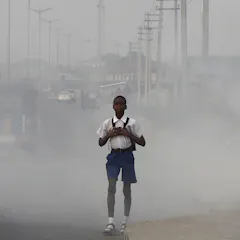
Air pollution accounts for many deaths in Africa yearly. However, this may change if people learn to protect themselves and hold their leaders accountable.

We’re all exposed to harmful air pollution when cooking – but retrofitting our homes to save energy may complicate matters.

Air pollution causes chess players to make more errors – this may have implications for high-skilled professionals.

Indoor air quality is affected by many things – and intentionally releasing a mix of chemicals is high on the list.
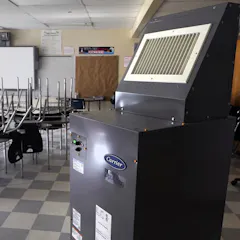
A lot of federal money is now available for making school buildings healthier. Two environmental health experts explain how school districts can best use it.
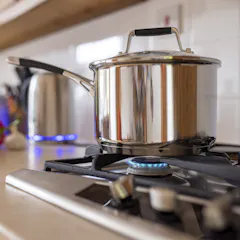
Natural gas has been marketed for decades as a clean fuel, but a growing body of research shows that gas stoves can contribute significantly to indoor air pollution, as well as climate change.
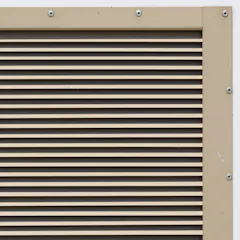
The National Construction Code has no minimum ventilation requirements for schools, aged care institutions, pubs, restaurants and health-care facilities.
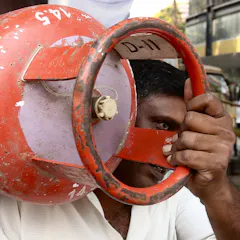
Cooking with wood and charcoal can raise indoor air pollution to dangerous levels.
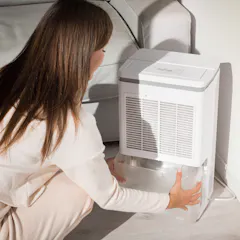
Dehumidifiers can help if you’re clever with that you’re trying to achieve, but you should always look to solve the underlying cause. That means, where possible, improving exhaust and ventilation.
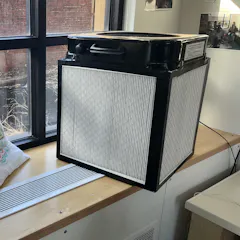
3D printers got a lot of attention when DIYers leapt to action to address equipment shortages early in the pandemic, but some everyday items found in hardware stores played a big role, too.
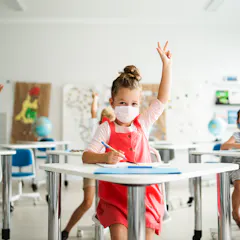
Air-ventilation upgrades have been badly needed in U.S. classrooms since long before the pandemic. Low-tech filtration systems that cost about the same as a textbook per student can make a big difference.

Because COVID-19 is airborne, we can’t know if the shelter system is as safe as it should be without seeing metrics related to ventilation, filtration and occupancy.
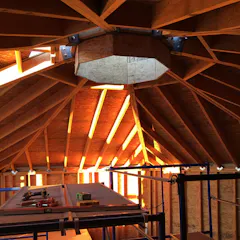
Poor indoor air on tribal lands can cause a range of respiratory illnesses, including viral infections. Here’s how people are fixing the problem while preserving traditional ways.
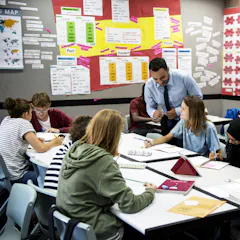
A year-long analysis of Victorian primary and secondary school classrooms has found the amount of carbon dioxide often far exceeds the maximum acceptable standard.
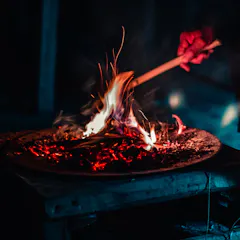
Replacing wood stoves is essential but won’t solve the indoor air pollution epidemic on its own.
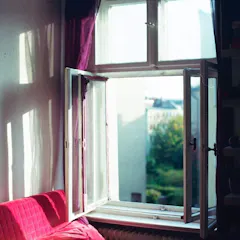
Being indoors with other people is a recipe for spreading the coronavirus. But removing airborne particles through proper ventilation and air filtration can reduce some of that risk.

The dangers of outdoor air pollution are now well known, but those related to the air we breathe at homes and at work are much less so, according to an international study.
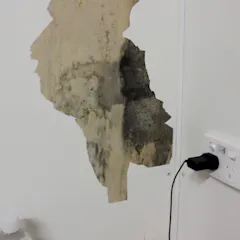
Several factors play a part when determining what kind of risk high levels of mould exposure can pose to human health.
Our health depends on the quality of air indoors, where most of us spend 90% of our time. The easiest solution is to open a window, but what if that’s not an option?
Top contributors
-

Professor and Chair, Department of Environmental Health, Boston University
-
Adjunct academic, mycology, Flinders University
-
Associate Professor in Public Health at University of Limerick, University of Limerick
-
Senior Research Fellow, Woolcock Institute of Medical Research, Macquarie University and the South West Sydney Clinical School, UNSW Sydney. Affiliate, Centre for Safe Air., UNSW
-
Research Fellow in School of Public of Health, University College Cork
-
Postdoctoral Research Associate in Environmental Public Health, Harvard University; University of Liverpool
-
AI, Medicine and Data Justice Post-Doctoral Fellow, Queen's University, Ontario
-
Associate Professor of Anthropology & Department Chair, Northern Arizona University
-
Adjunct Professor of Architecture, University of Technology Sydney
-
Senior Research Associate, University of Cambridge
-
Professor of Mechanical Engineering, University of Colorado Boulder
-
Knowledge Broker, Centre for Safe Air (NHMRC CRE), and Adjunct Researcher, Media School, University of Tasmania
-
Senior Lecturer, School of Property, Construction and Project Management, RMIT University
-
Associate professor, University of Illinois Urbana-Champaign
-
Associate professor, Deakin University