
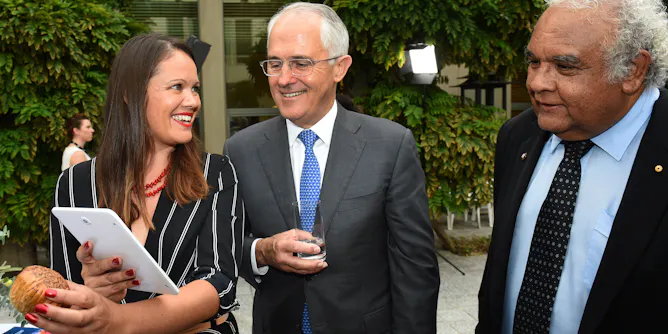
The formation of the Close the Gap Campaign in March 2006 has provided ongoing focus and scrutiny on the health inequalities faced by Indigenous Australians.
Articles on Indigenous health
Displaying 201 - 220 of 262 articles
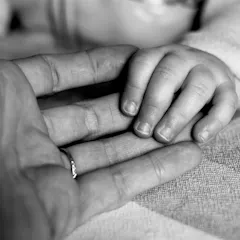
Parents in three Australian states are being given misleading advice about the dangers of lead to babies and small children – including failing to warn pregnant women about miscarriage risks.
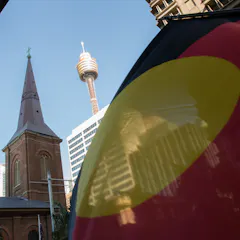
The predictable path into prison for Aboriginal people with disabilities is preventable. Here are some solutions.

Q&A presenter Tony Jones asked psychologist and research fellow Pat Dudgeon if Indigenous youth suicide rates across the top half of Australia are the highest in the world. We check the research evidence.
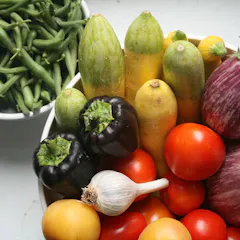
On average, all food is 53% more expensive in remote communities, with the price increasing annually by approximately 5%, compared to an annual rise of only about 1% in Darwin supermarkets.
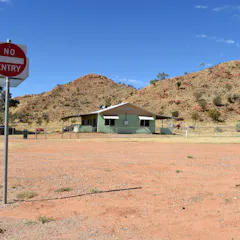
We have an array of prevention agencies, lifeline programs, and public mantras about “being in life”. So why don’t they seem to work in rural and remote communities?
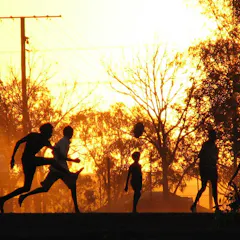
The syphilis outbreak in Central Australia is not about child abuse. But it highlights the urgent need for investment in sexual health services for Aboriginal Australians living in remote areas.
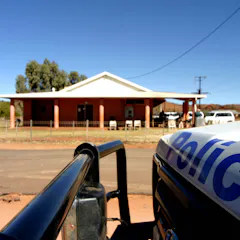
In the Northern Territory, public drunkenness can force someone into an alcohol treatment centre for three months. The policy has no basis in evidence and discriminates against Aboriginal people.
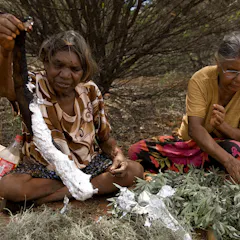
In Indigenous communities beset by tragedy and social problems, the connection to each other and to the land remains a powerful source of shared contentment and happiness.
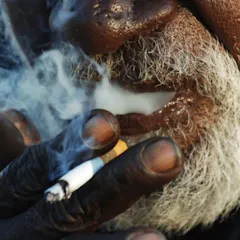
The daily smoking rate among Aboriginal and Torres Strait Islanders is falling, but at 42%, it’s still 2.6 times that of other Australians.
Food is often the first thing to go when there is not enough money to pay the bills.
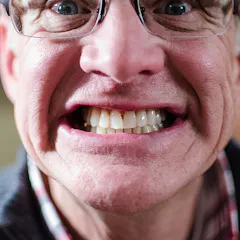
An Aussie smile is an instant indicator of socioeconomic status, employability and self-esteem. It’s also a predictor of physical health. So it’s shocking that Australians’ dental health has not improved…
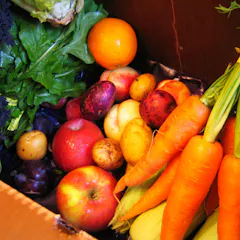
Aboriginal and Torres Strait Islander people have significantly poorer health and lower life expectancy than other Australians. But while reducing these inequalities is a priority for governments, national…
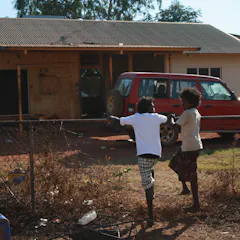
In some jurisdictions of Australia, the rate of Indigenous children in foster, kinship and residential care on any one night has reached almost one in ten. This rate is almost ten times higher than non-Aboriginal…

Sexuality is a means of pleasure, fulfilment and intimate connection with other humans. But it can also be a source of anguish. So it’s perhaps no surprise that of all the areas in health care, the “STI…
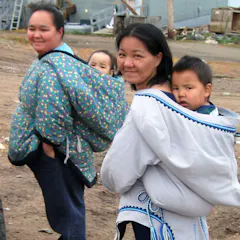
Tony Abbott spent most of this week in North East Arnhem Land, part of his long-held hope “to be not just the Prime Minister but the Prime Minister for Aboriginal Affairs”. In the final of our Abbott in…
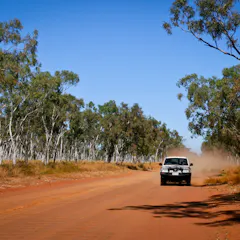
Tony Abbott spent most of this week in North East Arnhem Land, part of his long-held hope “to be not just the Prime Minister but the Prime Minister for Aboriginal Affairs”. We asked our experts: what stories…
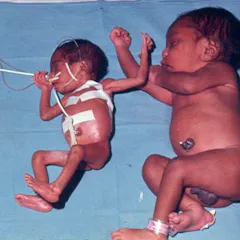
Tony Abbott is spending this week in North-East Arnhem Land, part of his long-held hope “to be not just the Prime Minister but the Prime Minister for Aboriginal Affairs”. We asked our experts: what stories…

Tony Abbott is spending this week in North-East Arnhem Land, part of his long-held hope “to be not just the Prime Minister but the Prime Minister for Aboriginal Affairs”. We asked our experts: what stories…
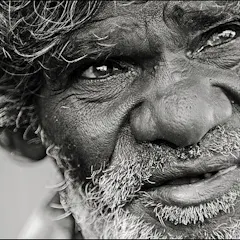
The tragedy of vision loss and blindness in Indigenous communities is striking: Aboriginal and Torres Strait Islander adults have six times more blindness than non-Indigenous adults and nearly three times…
Top contributors
-

Director of POCHE Centre for Indigenous Health, The University of Queensland
-
Team Lead, Healthy Skin and Acute Rheumatic Fever Prevention, The Kids Research Institute Australia
-
Purple House Medical Advisor. Honorary ANU., Australian National University
-
Associate Professor, Indigenous Studies, UNSW ; Macquarie University
-
ARC Research Fellow in Indigenous Health, Disability and Community Development, University of Sydney
-
Honorary Enterprise Professor, School of Population and Global Health, and Department of General Practice and Primary Care, The University of Melbourne
-
Professor, Public Health Policy, The University of Queensland
-
Scientia lecturer, UNSW
-
Associate Director of Research and Senior Fellow, Yardhura Walani, National Centre for Aboriginal and Torres Strait Islander Wellbeing Research, Australian National University
-
Senior Lecturer in Social Research and Policy, UNSW
-
Professor of Indigenous Health, Executive Director, Carumba Institute, Queensland University of Technology
-
Professor of Economics and Public Policy, ANU College of Arts and Social Sciences, Australian National University
-
Associate Professor in Public Health, The University of Queensland
-
Professor and Head Clinical Research Domain, Baker Heart and Diabetes Institute
-
Head of Diabetes Clinics, Baker Heart and Diabetes Institute