

Diabetes rates in Australia are high but its prevalence in the Indigenous population is between three and four times higher than the rest of the population. And we are fast running out of time to stop…
Articles on Indigenous health
Displaying 241 - 260 of 262 articles
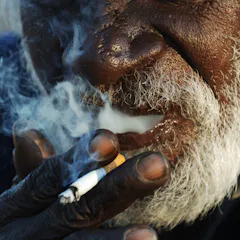
The number of Indigenous heavy smokers fell from 17.3% in 1994 to 9.4% in 2008, a relative drop of 45%, a study has found. The study, conducted by the Menzies School of Health Research and published today…
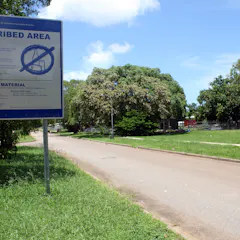
The newly elected conservative governments in Queensland and the Northern Territory have opened the way to relaxing laws restricting access to alcohol in Aboriginal communities. In Queensland, a number…
Researchers have found indigenous females aged less than one year and those aged between 14 and 17 are at the highest risk…

We’ve long known that rates of suicide in Indigenous communities are higher than the wider Australian population. But we’re much less clear about why this is the case. Each life lost to suicide reminds…
This is a story about two small Aboriginal communities in the Gulf region of North Queensland: Mornington Island and Doomadgee. They share two key characteristics with many other remote communities: very…
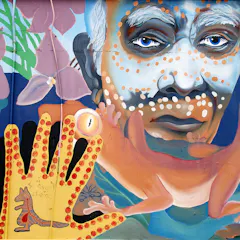
Lupus is a chronic inflammatory systemic autoimmune disorder. It affects various tissues of the body, particularly the heart, joints, lungs, skin and kidneys. An autoimmune illness is one in which body’s…

Once again, petrol sniffing in Indigenous communities is in the headlines. And once again, sadly, the restraint that newspapers normally exercise in reporting drug issues among non-Indigenous Australians…
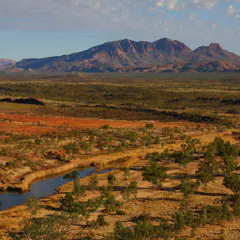
OBESE NATION: It’s time to admit it - Australia is becoming an obese nation. This series looks at how this has happened and more importantly, what we can do to stop the obesity epidemic. Today Julie Brimblecombe…

Aboriginal people in custody are in urgent need of improved mental health services, according to the authors of a study that found many Indigenous adults in Queensland jails have at least one mental disorder…

Mental health problems cause profound suffering and are worthy of attention for that reason alone. But despite policy and service reform, such problems remain as common, expensive and disabling as they…
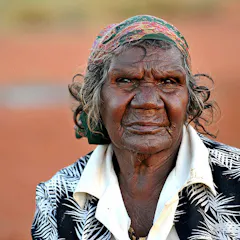
The notion of walking backwards into the future describes the value we can derive from remembering and understanding our past, in order to best prepare for a better tomorrow. We can’t do this without properly…
A neurological disease which causes the deterioration of muscle control and coordination is more prevalent in the Northern…
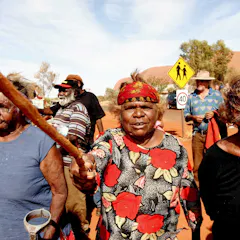
Since its introduction in 2007, there has been much debate over the effectiveness of the Northern Territory Emergency Response (NTER) in improving the quality of life in remote indigenous communities…
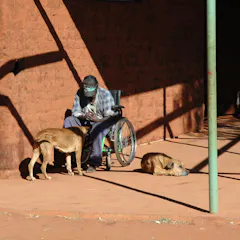
Alongside high rates of incarceration, unemployment, homelessness and some of the poorest health outcomes in Australia, Indigenous people’s access and use of disability services is under-representative…
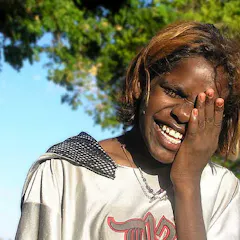
The Australian Health Survey’s (AHS) exclusion of data from the Indigenous population raises questions about how serious we are about closing the health gap. It’s generally accepted that clinical care…

There are hopeful signs from a number of sources that the “get tough on crime” approach is working, with politicians promising the era of more prisons and longer sentences has had its day. Movements such…
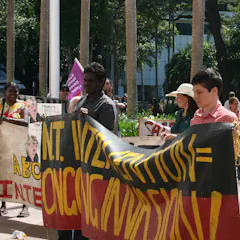
The government is ignoring evidence that income management in Aboriginal communities isn’t working. Despite a raft of studies showing it isn’t changing behaviour or significantly improving people’s life…
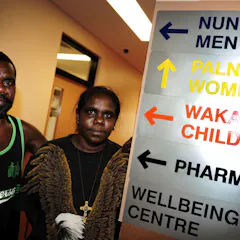
AFTER THE INTERVENTION: Marilyn Wise from the University of New South Wales and Peter O'Mara from the Australian Indigenous Doctors’ Association ask whether the NT Intervention has made Indigenous communities…
AFTER THE INTERVENTION - Today, The Conversation launches a series looking at the recent history of Indigenous policy in Australia, and some ways forward. Are any of the current approaches working? What…
Top contributors
-

Director of POCHE Centre for Indigenous Health, The University of Queensland
-
Team Lead, Healthy Skin and Acute Rheumatic Fever Prevention, The Kids Research Institute Australia
-
Purple House Medical Advisor. Honorary ANU., Australian National University
-
Associate Professor, Indigenous Studies, UNSW ; Macquarie University
-
ARC Research Fellow in Indigenous Health, Disability and Community Development, University of Sydney
-
Honorary Enterprise Professor, School of Population and Global Health, and Department of General Practice and Primary Care, The University of Melbourne
-
Professor, Public Health Policy, The University of Queensland
-
Scientia lecturer, UNSW
-
Associate Director of Research and Senior Fellow, Yardhura Walani, National Centre for Aboriginal and Torres Strait Islander Wellbeing Research, Australian National University
-
Senior Lecturer in Social Research and Policy, UNSW
-
Professor of Indigenous Health, Executive Director, Carumba Institute, Queensland University of Technology
-
Professor of Economics and Public Policy, ANU College of Arts and Social Sciences, Australian National University
-
Associate Professor in Public Health, The University of Queensland
-
Professor and Head Clinical Research Domain, Baker Heart and Diabetes Institute
-
Head of Diabetes Clinics, Baker Heart and Diabetes Institute