

Indigenous land management in southeastern Australia halved forest shrub cover 6,000 years ago, reducing high-intensity bushfires
Articles on Bushfire management
Displaying 1 - 20 of 21 articles
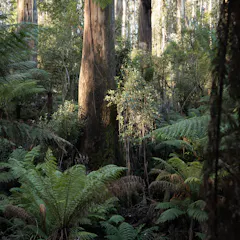
All the evidence – colonial accounts and records, First Peoples’ testimony and scientific data – points to the existence of widespread tall, dense forests 250 years ago.
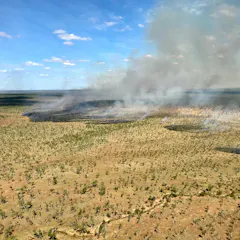
Indigenous fire management shaped Australian tropical savannas over millennia, until the arrival of Europeans pushed the landscape back into a dangerous, unmanaged state.
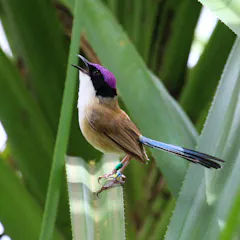
A study of purple-crowned fairy-wrens offers lessons for fire management along waterways in tropical savanna ecosystems.

The El Niño is a reminder that bushfires are part of Australian life. But whether or not this fire season is a bad one, Australia must find a better way to manage bushfires.
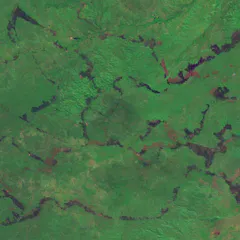
Satellite data and traditional know-how combined have drastically reduced fires across northern Australia over the past 20 years.

Two decades of satellite data have allowed us to map fires across the country and identify areas facing high fire risks. Fire activity has increased in several major regions over the past decade.
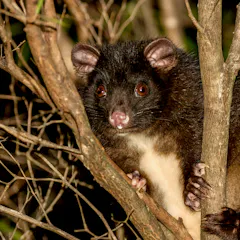
A new paper explores how a carefully controlled fuel reduction burn killed 17 critically endangered western ringtail possums.
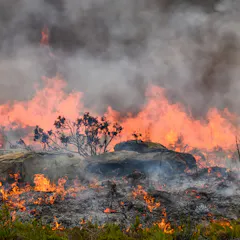
Fire must be allowed to play its natural role.
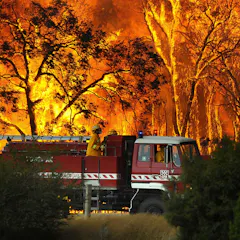
Indigenous fire management holds the key to a safer, more sustainable future on our flammable continent.
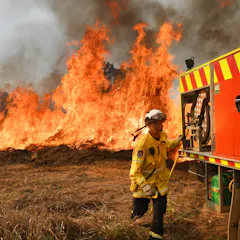
In this era of mega-fires, diverse strategies are urgently needed so we can safely live with fire.
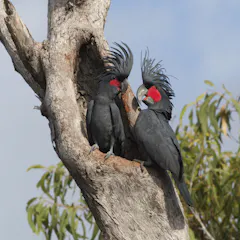
Australia’s largest parrot has just been listed as an endangered species. Here’s why they’re in trouble – but it’s not too late to save them.
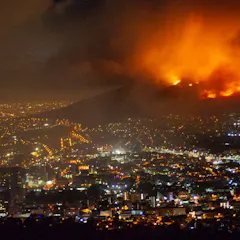
The fynbos vegetation that historically clothed the slopes of Table Mountain is highly inflammable. This has been worsened by the spread of alien trees that burn more intensely than the fynbos.
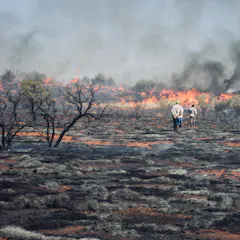
The bushfire royal commission will look at incorporating Aboriginal knowledge into mainstream fire management. But in practice, what does that mean?
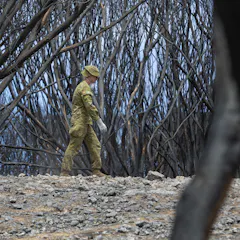
Many of the recommendations of previous inquiries and reviews have yet to be implemented. What we need is a better fire and land management strategy – not another royal commission.

Australia devotes countless resources to fighting bushfires, but precious little to examining the main cause - humans.
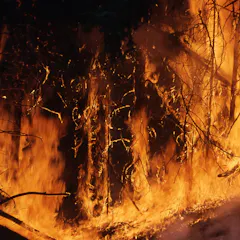
The convergence of technologies such as 5G, artificial intelligence and virtual reality may offer hope for the way we manage future bushfire disasters.
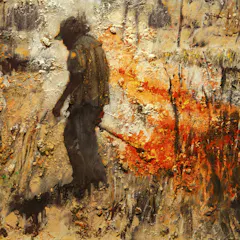
Feral cats and pigs, mission grass and climate change - in western Arnhem Land, Indigenous rangers are battling many environmental threats. Through painting and performance, they are also telling ‘healthy country’ stories.
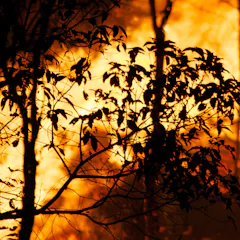
We can manage the risks from bushfires far more effectively if we look at the ways different plant species control the the way the fires burn.
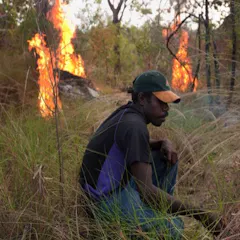
Wildfire makes up about 4% of the greenhouse gases added to the atmosphere each year.
Top contributors
-

Research Associate, University of New South Wales, and Adjunct Associate Professor, Curtin University
-
Research associate, Stellenbosch University
-
Associate Professor in Physical Geography, University of Nottingham
-
Honorary Associate Professor, Fire Ecology and Management, The University of Melbourne
-
Fellow in Natural History, Australian National University
-
Extraordinary lecturer, University of Pretoria
-
Lecturer, Deakin University
-
Senior Fellow, The University of Melbourne
-
Associate Professor and Principal Research Fellow, Melbourne Sustainable Society Institute, The University of Melbourne
-
Science Communication Researcher, Stellenbosch University
-
Professor in Biogeography, The University of Melbourne
-
Associate Professor, Hawkesbury Institute for the Environment, Western Sydney University
-
Professor, School of Environment, University of Auckland, Waipapa Taumata Rau
-
Adjunct Professor, School of Science at UNSW Canberra, UNSW
-
Research Fellow, Fenner School of Environment and Society, Australian National University