

New research suggests municipalities could improve recycling and composting rates by changing how often they collect garbage and organics.
Articles on Garbage
Displaying 1 - 20 of 27 articles
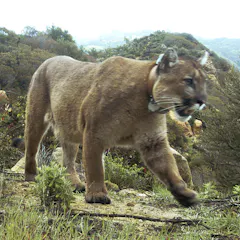
Modern rodenticides can kill rats with a single dose and readily pass up the food chain to larger carnivores. They are widely used and largely unregulated.

Mountain tourism brings revenues to Nepal but leaves a mess behind. Local and international groups are offering new cleanup strategies.

New research shows that Americans may have absorbed public messaging about the importance of recycling too well.
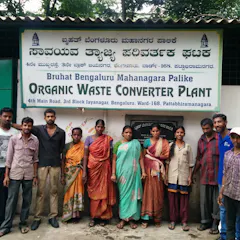
To focus on sustainable development goals, platforms need to change from being exclusively focused on profits and value appropriation to perceiving themselves as public goods.
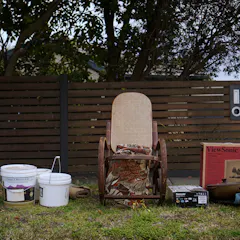
Not everything needs to be Marie Kondo-ed just because it doesn’t ‘spark joy’. Ask yourself if there’s a less wasteful option.

Polar bears are increasingly seeking sustenance in human trash because of melting sea ice and a loss of hunting opportunities. The result is a rise in human-bear conflict – and dead bears.

Priority should be given to improving municipal solid waste management in First Nation communities because they currently lack financial resources, infrastructure and solid waste diversion programs.
When governments want people to do less of something, one way to make that happen is to charge them for doing it. That’s the idea behind pay-as-you-throw waste policies.
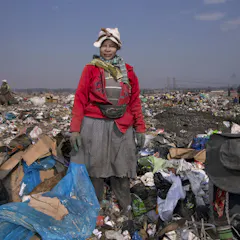
From oil disasters in Mauritius to street artists in South Africa, the story of rubbish in the media helps shape popular culture and environmental change.
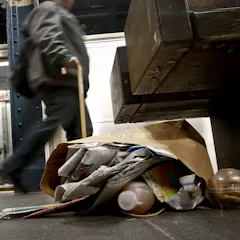
Climate change, globalization and concerns about rat poison soon could drive rat infestations to levels not seen in centuries. One way to curb them is getting humans to stop wasting food.
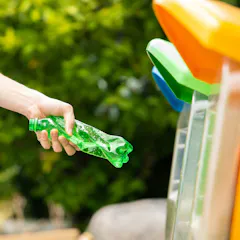
Americans recycle only about one-third of the solid waste we generate. A behavioral scientist argues that with the right motivators, we could do more.
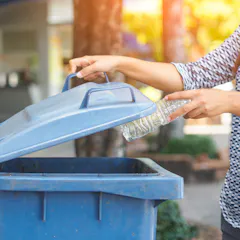
Consumers are much more likely to recycle their waste after viewing messages showing the products it might turn into.
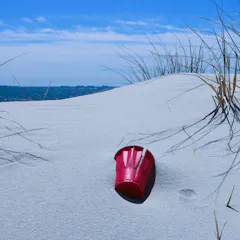
Where does plastic waste go when it reaches the ocean? For most of it, not far.

Every year the US burns more than 34 million tons of garbage in incinerators. These plants are major pollution sources, and most are clustered in disadvantaged communities.
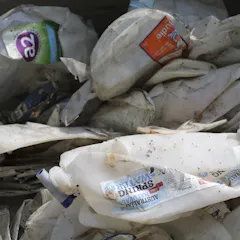
A year after China stopped accepting most scrap material exports, other Asian countries are following Beijing’s lead, forcing wealthy nations to find domestic solutions for managing their wastes.
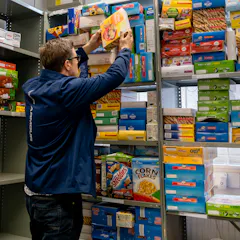
Reducing food waste by feeding hungry Canadians is a simplistic solution that is deeply problematic and morally distressing.
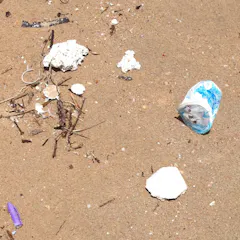
Great areas of rubbish – known as ‘garbage patches’ – are known to form in the Pacific and Atlantic oceans, but not the southern Indian Ocean. Why is that?
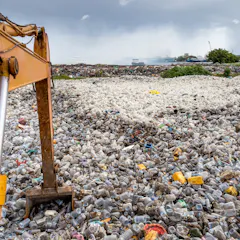
Less than 10 percent of plastic waste has been recycled – a factoid recently crowned statistic of the year.

The internet makes it easier for discarded stuff to land in someone else’s home instead of the dump.
Top contributors
-

Assistant Professor of Environmental Policy and Sustainability Management, The New School
-
Professor of Economics, Bucknell University
-
Professor of Government and Legal Studies, Bowdoin College
-
Adjunct professor, Department of Biology, Carleton University
-
Professor of Management, Rochester Institute of Technology
-
Associate Professor of Operations Management, Georgia Institute of Technology
-
PhD candidate in Interdisciplinary Studies and Fine Arts, Concordia University
-
Professor in Media Studies, University of the Witwatersrand
-
Professor of Environmental Toxicology, Heriot-Watt University
-
Assistant Professor, Business Technology Management, Concordia University
-
Research fellow, Oceanography, The University of Western Australia
-
Professor - Wildlife and Wildlands Conservation Program, Brigham Young University
-
Professor of the Practice of Data Science, Washington University in St. Louis
-
Assistant Professor of Urban Policy and Planning, Hunter College
-
Masters student, Carleton University
