
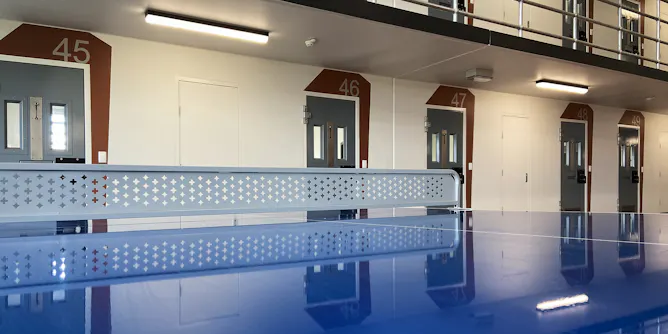
At best, prison work programs increase the chances of successful reintegration after release. At worst, they can be exploitative.
Articles on Incarcerated people
Displaying all articles
Nearly all county jails across Colorado’s Front Range allow prisoners to visit with their loved ones only virtually.

Many jails and prisons are dependent on incarcerated labor to keep costs low.
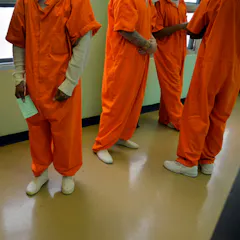
A new policy at Allegheny County Jail allows incarcerated people to earn money for their work. The goal is to improve conditions for everyone involved.
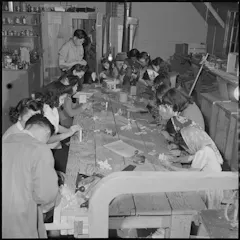
Incarcerated in rough barracks surrounded by barbed wire and armed soldiers, Japanese Americans made functional and beautiful items to ease their suffering.

El Salvador has the highest prison population rate in the world. The US administration intends to increase the number of people behind bars there.

Research shows that imposing longer sentences harms inmates and society. There are less expensive − and more effective − ways to hold people accountable and help them prepare for life after prison.

The US government locked up nearly 126,000 Japanese Americans from 1942 to 1945, but never kept comprehensive records of all the people subjected to this unjustified incarceration.
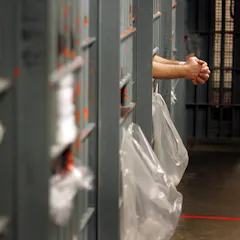
Prisons and jails are difficult to evacuate when wildfires or storms approach. Many of these facilities lack evacuation plans and may keep incarcerated people on-site instead of moving them to safety.
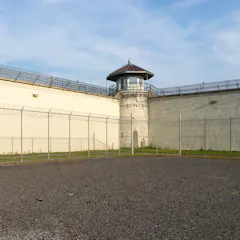
The author of a book collecting the experiences of college professors who teach in prisons explains how they are changed by the experience.
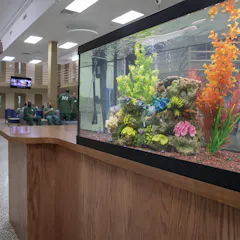
A pilot project at a Pennsylvania prison is trying out lessons from Scandinavia that could offer some ideas for reforming US prisons.
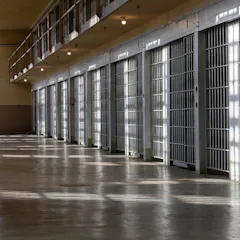
Elections Ontario must ensure imprisoned people are provided information on their candidates, registration assistance and facilitation by Elections Ontario employees on voting day.
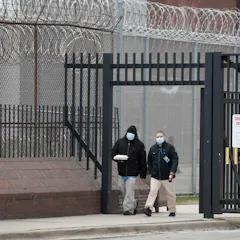
New research shows correctional officers are vectors of infection, driving COVID-19 rates both inside prisons and in their communities.
Top contributors
-

Associate Professor of Political Science, Emerson College
-
Adjunct Professor of History and Affiliated Faculty, USC Shinso Ito Center for Japanese Religions and Cultures, USC Dornsife College of Letters, Arts and Sciences
-
Postdoctoral Fellow in Sociology, University of Oslo
-
Assistant Professor, Criminology, Toronto Metropolitan University
-
Senior Lecturer, Political Science and International Relations, University of Canterbury
-
Assistant Professor of Sociology, University of Houston
-
Associate Professor of Landscape Architecture & Urban Planning, Texas A&M University
-
Assistant Professor of Public Health, Texas A&M University
-
Alton Brooks Professor of Religion and Professor of American Studies & Ethnicity and East Asian Languages & Cultures, University of Southern California
-
Assistant Professor of Criminal Justice, University of Cincinnati
-
Professor of Communication Studies, Baruch College, CUNY
-
Associate Professor of Criminal Justice, University of Texas at El Paso
-
Dean of the Rutgers School of Criminal Justice, Rutgers University - Newark
-
Professor of Sociology, Co-Director of the CU Center on Crime and Justice, University of Colorado Boulder
-
Senior Research Associate, City University of New York