
Research shows that imposing longer sentences harms inmates and society. There are less expensive − and more effective − ways to hold people accountable and help them prepare for life after prison.
Articles on Formerly incarcerated people
Displaying all articles
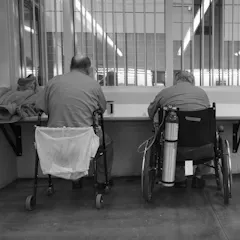
Parolees over 50 tend to have health issues and strained family ties. They’re less likely to reoffend after prison but need more help getting back on their feet.

The US government locked up nearly 126,000 Japanese Americans from 1942 to 1945, but never kept comprehensive records of all the people subjected to this unjustified incarceration.
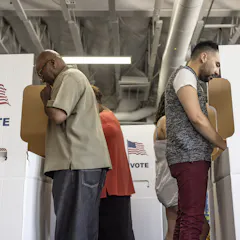
Americans have been hearing for years that democracy is being eroded and is literally at stake in the upcoming presidential election. But there is good news on the voting front as well.
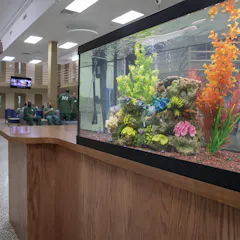
A pilot project at a Pennsylvania prison is trying out lessons from Scandinavia that could offer some ideas for reforming US prisons.
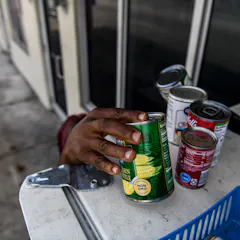
Formerly incarcerated Americans face food insecurity rates double that of the general population. A 1996 law that prohibits drug felons from getting crucial benefits may be partially to blame.
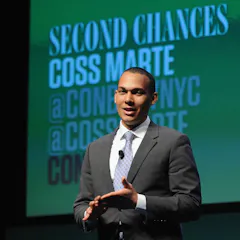
Nearly half of formerly incarcerated Americans remain jobless for at least a year. But there are some creative solutions to this problem.
Top contributors
-

Associate Professor of Social Work, Boston College
-
Ph.D. Candidate, Community Research and Action, Vanderbilt University
-
Assistant Professor of Church and Community Ministries, Baylor University
-
Associate Professor of Criminology and Justice Studies, Drexel University
-
Associate Professor of Social Work, Washington University in St. Louis
-
Postdoctoral Fellow in Sociology, University of Oslo
-
Director of Research Projects in Democratic Practice, Harvard Kennedy School
-
Alton Brooks Professor of Religion and Professor of American Studies & Ethnicity and East Asian Languages & Cultures, University of Southern California
-
Adjunct Professor of History and Affiliated Faculty, USC Shinso Ito Center for Japanese Religions and Cultures, USC Dornsife College of Letters, Arts and Sciences
-
Assistant Professor of Criminal Justice and Sociology, John Jay College of Criminal Justice
-
Associate Professor of Criminal Justice and Sociology, Caldwell University
-
Assistant Professor of Criminal Justice, University of Cincinnati