
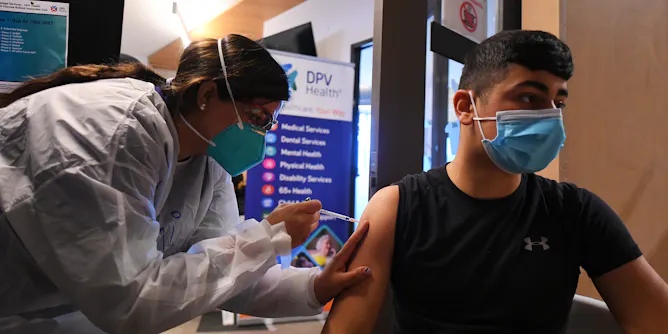
But the immune cells that vaccination spurs do last a long time.
Articles on Immunity
Displaying 81 - 100 of 177 articles
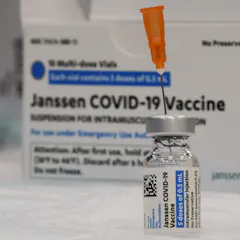
Your body produces antibodies after an infection or vaccine, but these slowly decline over time. New Johnson & Johnson data sheds light on the duration of protection and the need for booster shots.

Australians will soon need to prove they’re fully vaccinated to do things like travel overseas and visit restaurants and pubs.
‘Breakthrough’ infections can happen because of waning immunity or high viral doses. But our vaccines are still excellent at preventing severe disease and death.
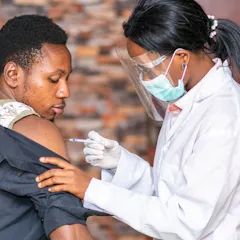
Cell-mediated immunity is particularly effective at eradicating viruses, and more durable. This is important in the fight against COVID-19.
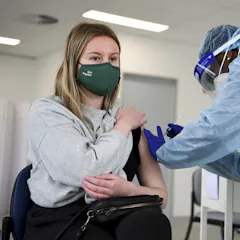
Some countries have started administering third doses of COVID vaccines, or booster shots. But we’re still learning about how long immunity lasts from the first two shots.
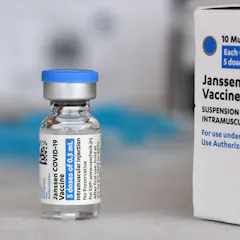
It has been six months since the Johnson & Johnson vaccine received emergency use authorization. What does six months of data show about its efficacy, side effects and protection from variants?

But herd immunity is not our only option. If we don’t vaccinate children, we may have to settle for lesser protection of the population.

A fear of microbes, like germs, could be harming human health.
COVID-19 vaccination produces a more consistent immune response than a past infection. With the delta variant, the difference in protection may be even greater.
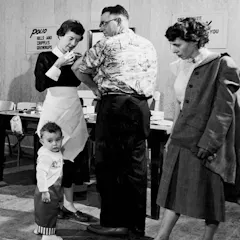
At the height of polio and H1N1, Canadians were keen to get vaccinated, but vaccine enthusiasm waned once the crisis had passed — what does that mean for COVID-19?
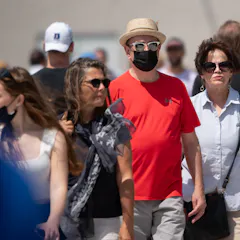
The COVID-19 vaccines are a smash success. But that doesn’t mean they keep every vaccinated person completely free of the coronavirus.
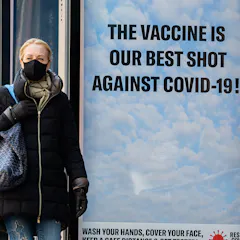
Vaccination rates for COVID-19 have been lower than desired for herd immunity, or when enough people become immune for new infections to stop. What will life look like without it?

It’s quite likely this virus will never be eliminated from the world. But even so, getting vaccinated enormously reduces your risk of severe outcomes like hospitalisation and death.

Going back to work at an office? An expert explains how the relatively cool temperature many offices are kept at may affect your body – and your health.
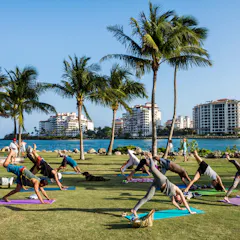
Meeting the recommended guidelines for physical activity reduces the risk of falling ill and dying of infectious diseases by 37%.

If you’ve already had the coronavirus and recovered, you might be tempted to give the vaccine a pass. A scientist explains why the shot offers the best protection against future infection.
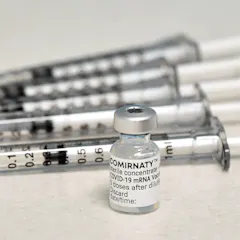
Giving smaller vaccine doses in multiple shots is often more effective than a larger single dose.
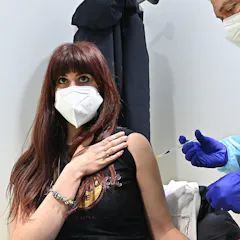
Injected vaccines tend to generate good immunity overall but less of a response in the nose and throat, where the virus enters and spreads from.
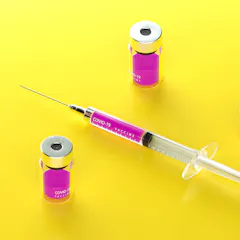
So far, most vaccines in the US are mRNA vaccines. These represent a new technology and are likely to take over the vaccine world. But how do they work? What are their weaknesses? Five experts explain.
Top contributors
-

Associate Pro Vice-Chancellor: Innovation and Knowledge Exchange, University of Nottingham
-
Associate Professor and Research Leader in Virology and Infectious Disease, Griffith University
-
Honorary Associate Professor
-
Professor of Pathology, Microbiology and Immunology, University of South Carolina
-
Associate Professor of Biology, Rochester Institute of Technology
-
Distinguished Professor, Professor of Immunology, RMIT University
-
Professor, School of Biomedical Sciences and Pharmacy, University of Newcastle
-
Professor of Pathology, Microbiology and Immunology, University of South Carolina
-
Vice-Chancellor's Research Fellow, School of Health and Biomedical Sciences, RMIT University
-
Professor, Discipline of Paediatrics and Child Health, University of Sydney
-
Professor of Medicine, University of Virginia
-
Research Fellow, Institute for Molecular Bioscience, The University of Queensland
-
Vice Chancellors Senior Research Fellow in Immunology, RMIT University
-
Research associate, Warren Alpert Medical School, Brown University, Brown University
-
Senior Lecturer; MD, Victoria University