
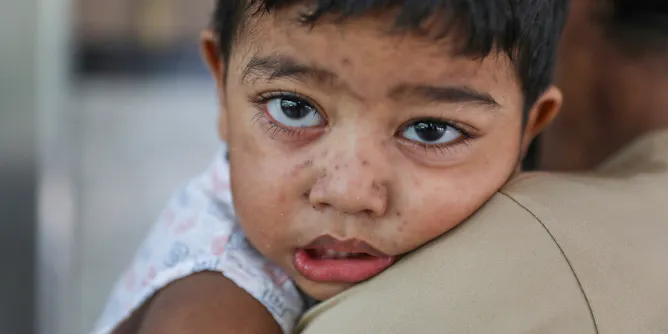
After a pandemic-era collapse in vaccination, Bangladesh is racing to protect children from measles, but lasting protection depends on reaching 95% coverage.
Articles on Herd immunity
Displaying 1 - 20 of 122 articles
Controlling the spread of many infections, including measles, depends on trust in public health, which is eroding.

Before COVID, Australia reached its target of 95% of one-year-olds fully immunised. Now, lower coverage means more babies are at risk of whooping cough and measles.
Public health scholars worry that the resurgence of measles may signal a coming wave of other vaccine-preventable diseases.
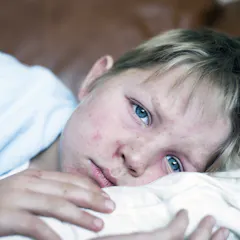
Since the COVID-19 pandemic, vaccine rates have been dropping.
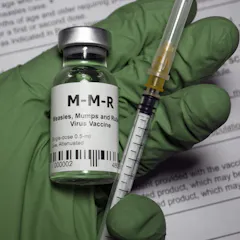
A medical epidemiologist explains who should consider getting a booster and whether you might need to check your antibody levels.
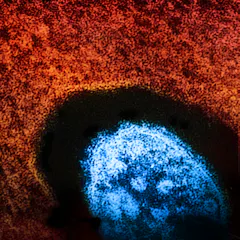
Measles is a serious disease with potentially severe complications. The current situation in Canada is a public health challenge and a critical moment for awareness and action.
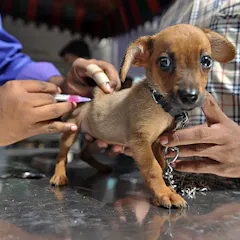
About 4% of dogs and 12% of cats remain unvaccinated against rabies, posing risks for society.
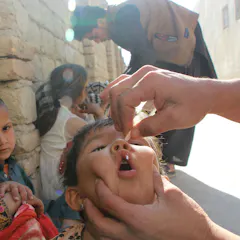
Herd immunity will protect people in those countries for now, but this is a concerning find.
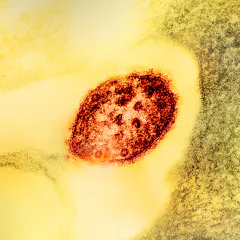
Canada is seeing a surge in measles cases. Find out what measles is, why it’s returning to Canada, and how people can protect themselves and others.
Antibiotics aren’t very effective against it, but we do have a vaccine.
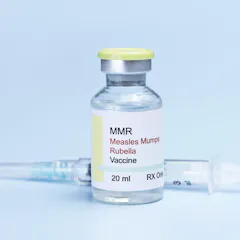
Seven children at a nursery in Stoke-on-Trent have caught measles. But other parts of the UK are at risk too.
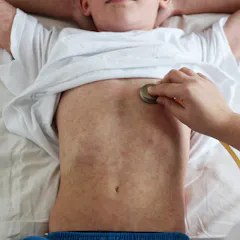
Projections from the UKHSA suggest London could see a measles outbreak totalling 40,000 to 160,000 cases at current vaccination levels.
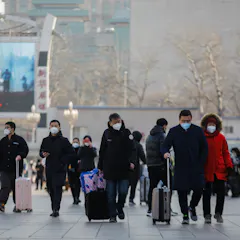
The repeated lesson from other countries is that the loss of immunity and the appearance of new variants make herd immunity a futile goal when it comes to COVID.
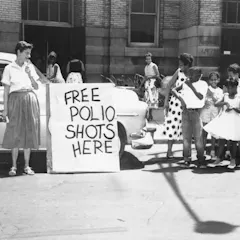
With poliovirus circulating in New York, health authorities worry that pockets of the county with low polio vaccination rates could give the virus a foothold.

Achieving herd immunity via vaccination was always going to be a hard ask. Now it’s mathematically impossible.
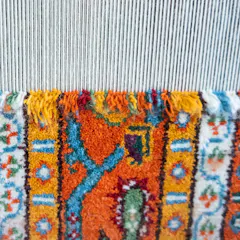
The metaphor of a collective “carpet of immunity” invites us to imagine immunity as a collaborative project, spreading out to protect those for whom the end of mandates means increased vulnerability.

Vaccine passports became one of the most divisive issues of the COVID-19 pandemic. These policies were affected not only by public opinion but by new variants and changing goals for herd immunity.
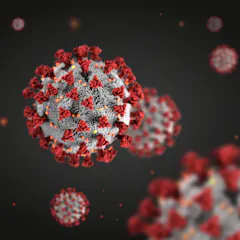
The COVID-19 pandemic has brought immunology terms that are typically relegated to textbooks into our everyday vernacular. These stories helped us make sense of the ever-evolving science.
Some of the omicron variant’s unique properties – such as its ability to spread rapidly while causing milder COVID-19 infections – could usher in a new phase of the pandemic.
Top contributors
-

Professor of Mathematics and Statistics, University of Strathclyde
-
Head of School of Population Health and Professor, Infectious Diseases Dynamics and Interventions, UNSW
-
Associate Professor of Health Law, Policy and Management, Boston University
-
Professor, School of Public Health, University of Sydney
-
Distinguished Professor, Professor of Immunology, RMIT University
-
Professor of Infectious Disease and Epidemiology, James Cook University
-
Senior Lecturer; MD, Victoria University
-
Principal Lecturer, Microbiology and Biomedical Science Practice, Fellow of the Institute of Biomedical Science, University of Brighton
-
Professor and Director of Doherty Epidemiology, The University of Melbourne
-
Postdoctoral Fellow in Virology, University of Colorado Boulder
-
Professor of Pathology, Microbiology and Immunology, University of South Carolina
-
Associate Professor, Epidemiology, Deakin University
-
Assistant Professor of Philosophy & Disability Studies, Georgetown University
-
Associate Professor, Computing & Information Systems; Director, Melbourne Data Analytics Platform, The University of Melbourne
-
Honorary Enterprise Professor, School of Population and Global Health, and Department of General Practice and Primary Care, The University of Melbourne