
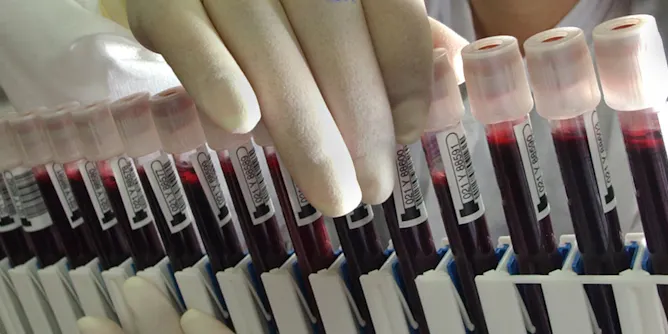
Your blood can hold a record of past illnesses. That information can reveal how many people have had a certain infection – like 58% of Americans having had COVID-19 by the end of February 2022.
Articles on Immunity
Displaying 61 - 80 of 177 articles

As little as 30 minutes of exercise five times a week can benefit your immune system.
Fourth doses are now being offered to vulnerable groups. But if you’re young and healthy, will you need one?
The metaphor of a collective “carpet of immunity” invites us to imagine immunity as a collaborative project, spreading out to protect those for whom the end of mandates means increased vulnerability.

It feels like everyone around you has or is recovering from COVID. Maybe you’re fatigued and wondering if it’s an after-effect? Antibody tests could confirm it one way or another.
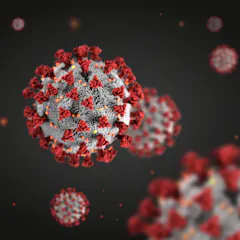
The COVID-19 pandemic has brought immunology terms that are typically relegated to textbooks into our everyday vernacular. These stories helped us make sense of the ever-evolving science.

COVID cases are predicted to rise as we face another variant. So a 4th shot to top up our immunity is looking more likely as we head into winter.

Whooping cough rates are the lowest they’ve been for years. But what comes next?

Taking OM85 could lower the risk of developing asthma by protecting babies’ lungs from damaging infections in the early years of life.
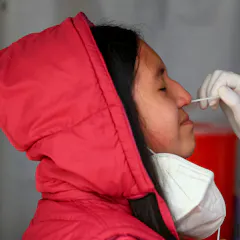
One study suggests the virus takes an average of 36 days to clear from the body after symptoms first appear.
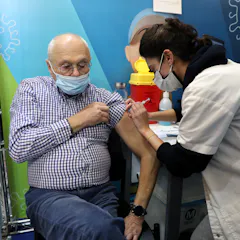
Many Australians are yet to have a third COVID vaccine dose, while people overseas are having their fourth shot.
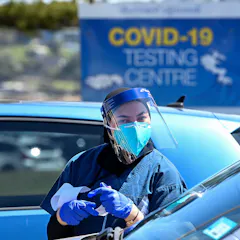
Infection seems to add a boost to immunity – but vaccination is still vital and breakthrough infections should be avoided as much as possible.
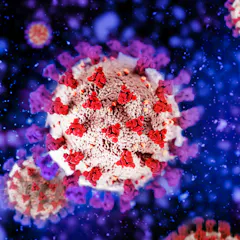
Some of the omicron variant’s unique properties – such as its ability to spread rapidly while causing milder COVID-19 infections – could usher in a new phase of the pandemic.
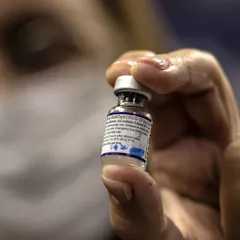
Variant-specific vaccines would undoubtedly increase immunity. But waves of new variants would engulf the population faster than these vaccines could ever be deployed.

For a number of reasons, as time goes on vaccines become less effective. So how do researchers calculate how well vaccines are working?
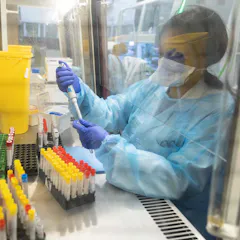
Careful lab work will complement public health data as researchers worldwide focus on omicron, asking questions about contagiousness, severity of disease and whether vaccines hold up against it.
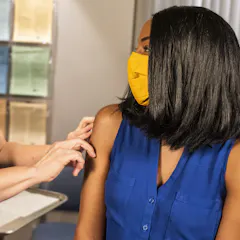
If it’s been six months since your second COVID vaccine dose, it’s time to book in for your booster. Here’s why.
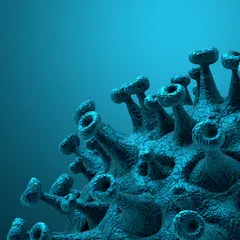
We won’t know whether Omicron evades COVID vaccines for another few weeks. Here’s why.
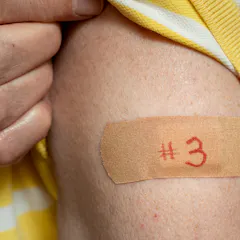
Booster shots are a common necessity for vaccines to keep working. Recent research shows COVID-19 booster shots are recommended for high-risk individuals — and may benefit the rest of us too.
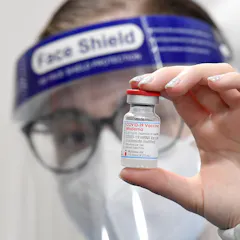
Vaccination prepares the body’s immune system in the same way “natural” exposure to infection does. It just does it in a safer, controlled way with a much lower dose.
Top contributors
-

Associate Pro Vice-Chancellor: Innovation and Knowledge Exchange, University of Nottingham
-
Associate Professor and Research Leader in Virology and Infectious Disease, Griffith University
-
Honorary Associate Professor
-
Professor of Pathology, Microbiology and Immunology, University of South Carolina
-
Associate Professor of Biology, Rochester Institute of Technology
-
Distinguished Professor, Professor of Immunology, RMIT University
-
Professor, School of Biomedical Sciences and Pharmacy, University of Newcastle
-
Professor of Pathology, Microbiology and Immunology, University of South Carolina
-
Vice-Chancellor's Research Fellow, School of Health and Biomedical Sciences, RMIT University
-
Professor, Discipline of Paediatrics and Child Health, University of Sydney
-
Professor of Medicine, University of Virginia
-
Research Fellow, Institute for Molecular Bioscience, The University of Queensland
-
Vice Chancellors Senior Research Fellow in Immunology, RMIT University
-
Research associate, Warren Alpert Medical School, Brown University, Brown University
-
Senior Lecturer; MD, Victoria University