
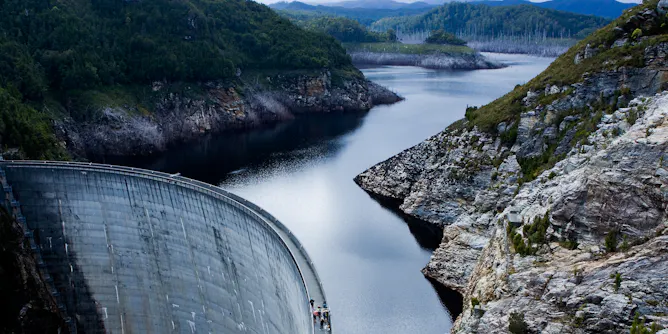
Rather than considering the job done, Tasmania should seize opportunities including renewable energy, net-zero industrial exports and forest preservation.
Articles on Hydroelectricity
Displaying 21 - 40 of 45 articles

Britain’s electricity sector continues to decarbonise, but its capacity to store energy lags far behind.
A study points to one way to speed up adoption of innovations in clean energy technology – more flexibility among state regulators.
Wind travels all over the world. Where does it come from, and why?

Sea levels are rising, while deltas are being starved of sediment by upstream dams.

A $12.7 billion investment in hydroelectricity has put Canada’s economic welfare and its moral credibility on the line.

When the Aral Sea dried up, it was called the “world’s worst environmental disaster”. We’re witnessing its equivalent in Africa.
Canada’s proposed new environmental assessment law is facing heated, if not necessarily well-informed, opposition. The real question is whether it goes far enough.
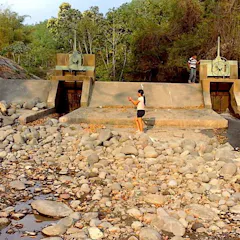
Increased use of renewable energies could help curb climate change, but the water required for their production has dispossessed rural Guatemalans.
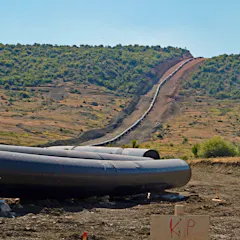
The European Investment Bank’s funding of the Trans Adriatic Pipeline will harm the climate and makes little financial sense.
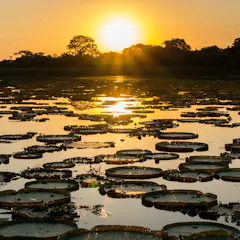
The region relies on seasonal flooding, yet energy demand is year-round.
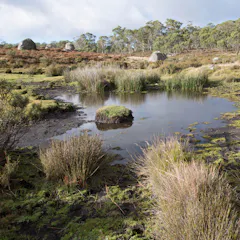
A reliable water supply from Australia’s mountain catchments depends on intact and functioning ecosystems.
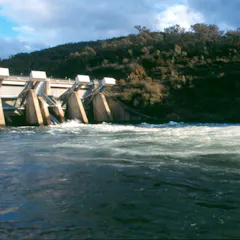
In its latest move on energy policy, the Turnbull government has unveiled a plan to boost generation from the Snowy Hydro scheme by 50%.
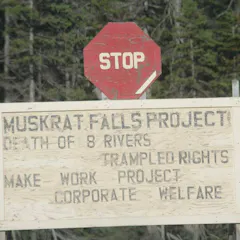
The ‘Muskrat Falls’ hydroelectric project is being built in anticipation of the Innu voting away ownership of their own land.
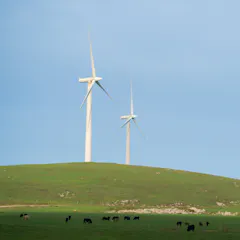
Victoria has announced a renewable energy target of 40% by 2025.

A drought in the socialist South American country has led to blackouts, political conflict and increased exposure to Zika.
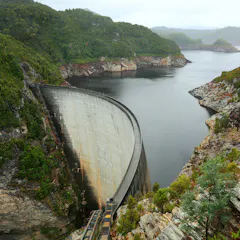
Catch 22: renewable energy can help fight climate change, but climate change might prove hard on renewable energy.

New data have revealed a disturbing trend in forest loss: the hearts of the world’s forests are disappearing. To stop them bleeding out, we’ll have to say ‘no’ to some developments.
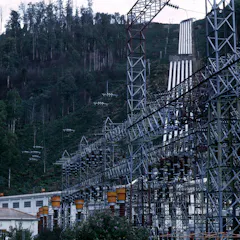
A year after the demise of the carbon tax, we might expect both coal and greenhouse emissions to have bounced back, at the expense of renewables like hydroelectricity. Sure enough, that’s what happened.
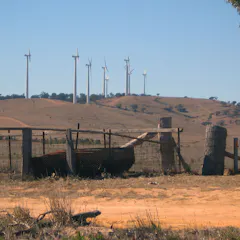
After months of deadlock, a deal has finally been reached to reduce the Renewable Energy Target, ending the uncertainty for industry but also risking an already sparse pipeline of future projects.
Top contributors
-

Professor of Engineering, Australian National University
-
Research Officer, School of Engineering, Australian National University
-
Professor, Fenner School of Environment & Society, Australian National University
-
Senior Research Associate, Renewable Energy & Energy Systems Analyst, UNSW
-
Senior Lecturer Environmental Management, Australian National University
-
Energy Advisor, formerly, The University of Melbourne
-
Associate professor, Fenner School of Environment and Society, Australian National University
-
Professor Emeritus and Former Deputy Vice Chancellor, The University of Melbourne
-
Lecturer in International Development, University of Sussex
-
ARC Future Fellow, Fenner School of Environment and Society, Australian National University
-
Honorary Associate Professor, Centre for Climate Economics and Policy, Australian National University
-
Professor in Physical Geography, Northumbria University, Newcastle
-
Assoc Prof. Renewable Energy, Monash University
-
University of Southern Queensland
-
Professor, School of Natural Sciences, Macquarie University