

Development in known hazard zones is creating untenable risks for communities around the world. Here’s how Nepal and the global community can build back differently.
Articles on Hydropower
Displaying 1 - 20 of 93 articles
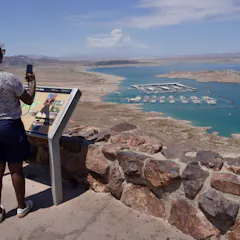
The existing plans and commitments to reduce water use don’t add up to even half of the savings that are needed to keep the river flowing.
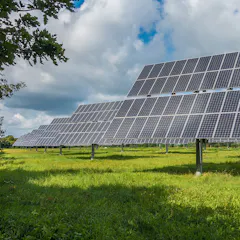
Africa is rapidly expanding electricity generation, but new research shows energy planning must also account for water scarcity and carbon dioxide emissions.
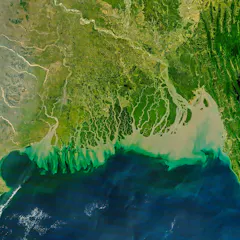
Bangladesh’s planned Padma Barrage may repeat mistakes made by India when it dammed the Ganges.

After years of drought, Lake Kariba’s rising waters are bringing relief to Zimbabwe and Zambia, boosting electricity, fishing, tourism and wildlife.

In eastern DRC, a hydropower mini-grid shows how access to electricity happens through public-private partnerships and community programmes.
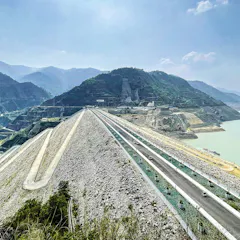
Hydropower infrastructure may bring economic and geopolitical advantages, but India risks undermining the mountains that protect its people, wildlife and borders.
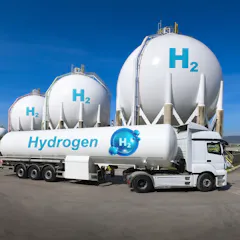
Green hydrogen is made from water and renewable energy and could be produced quite cheaply in Zambia using the hydropower and solar-based national grid.

Tribal governance takes a long view based in Native peoples’ deep history with these lands.
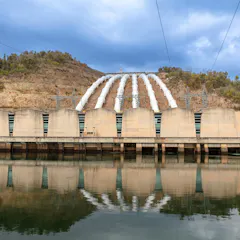
Research reveals most of the sites the Coalition has earmarked for nuclear power plants would be suitable for pumped hydropower plants.
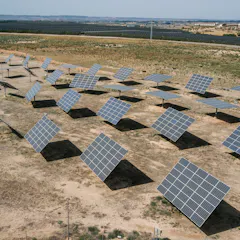
Rural areas in the EU have untapped potential for solar, wind and hydropower energy production. Community engagement can help lessen resistance to new sites.
Environmental assessment methods involve trade-offs. Lean towards efficiency and risk missing crucial impacts. Wade too deep into fact finding and assessments become unfeasible.
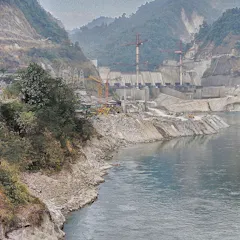
The hydropower dam is part of a huge effort to boost India’s homegrown energy. But it will radically disrupt the lives and livelihoods of indigenous communities in the flood plains downstream.

Ghana looks in the direction of nuclear power for help in achieving its industrial ambitions while contributing to the fight against climate change.
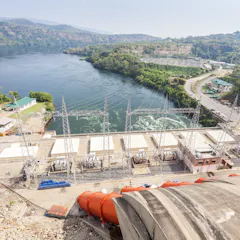
As renewable energy becomes cheaper and climate change affects water availability, the contribution of hydropower will decline.
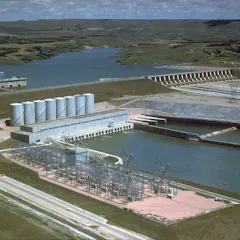
The Federal Energy Regulatory Commission recently ruled that it won’t approve energy projects on Native lands without tribal consent. But many more applications are pending.
Mozambique has large gas reserves and a big hydropower generating dam. It exports 90% of this electricity, leaving small businesses facing frequent power cuts and disrupting their work.
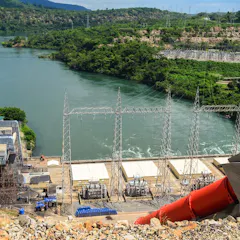
Ghana’s power generation mix is still not meeting national needs.
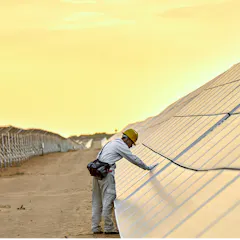
This year, China has built renewables at a truly staggering pace. But can its tech-first approach actually cut emissions – and find common ground at COP28?
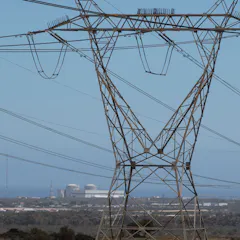
There are several risks in choosing the nuclear path – the biggest being financial.
Top contributors
-

Professor of Engineering, Australian National University
-
Regents Professor Emeritus and Morris K. Udall Professor of Law & Public Policy Emeritus, University of Arizona
-
Associate Professor of Environmental Management and Systems Engineering, George Washington University
-
Professor of Physics, University of Johannesburg
-
Ph.D. Student in Civil Engineering and Climate Science, Penn State
-
Posdoctoral Researcher in Local Energy Systems, University of Oxford
-
Researcher in International Relations and Politics, Development Studies and Borders, Indian Institute of Technology Guwahati
-
Professor Emeritus of Political Science, University of Utah
-
Professor in Organisation & Sustainability, University of Exeter
-
Research Fellow, ANU College of Engineering and Computer Science, Australian National University
-
Principal Scientist & Programme Leader of Southern Hemisphere Climates and Environments, National Institute of Water and Atmospheric Research (NIWA)
-
Visiting Adjunct Professor, School of Governance, University of the Witwatersrand
-
Professor Emeritus of Latin American Studies and Geography, University of Florida
-
Postdoctoral Researcher, TROPIBIO Project, Universidade do Porto
-
Senior Media Relations Officer, London School of Economics and Political Science