

We need to understand how bears are affected by climate change, and how those stresses might create new risks for humans.
Articles on Human-wildlife conflict
Displaying 21 - 40 of 86 articles
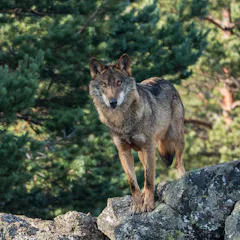
Some European countries view wolf protection differently to others. A look at Spain’s experience may explain why.
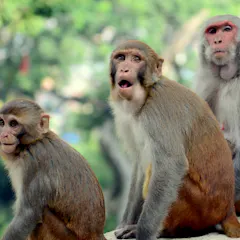
Rhesus macaques are known for harassing people in New Delhi, where the G20 summit is being held, so authorities are taking action – but is it the right action?
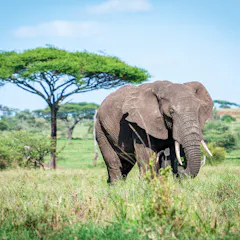
Measures to address tensions between wildlife and humans are critical for Tanzania.
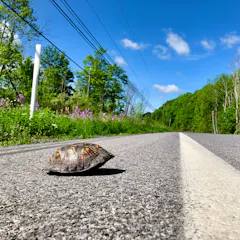
A newborn bison calf in Yellowstone National Park had to be euthanized after a visitor handled it in May 2023 – a recent example of how trying to help wild animals often harms them.
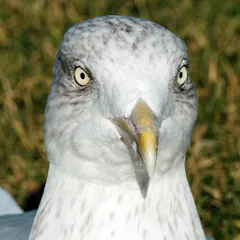
Research has found that urban gulls work out what’s good to eat by watching humans.
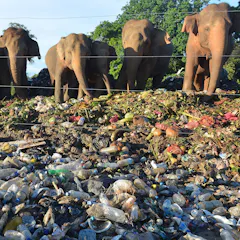
A new study looks back into history to assess human impacts on the range of Asian elephants and finds sharp decline starting several centuries ago.

Shepherding livestock may be more effective protection than killing predators.
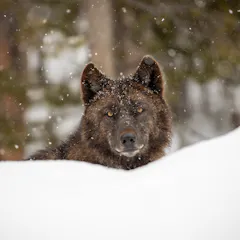
Less than a century ago, Colorado hunted, trapped and poisoned all the wolves within its borders. Today it’s restoring them – a change that reflects a profound shift in human thinking.
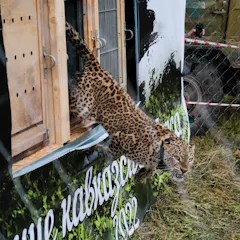
New research studies the factors that determine whether large carnivore reintroductions will be a success.
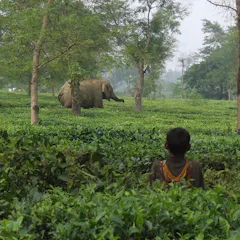
Human-wildlife conflict can undermine public support for conservation.
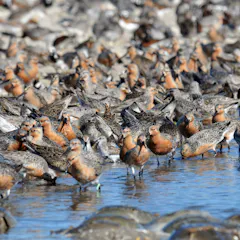
Governments, scientists and conservation groups are working to protect 30% of Earth’s land and water for nature by 2030. Two scientists explain why scale matters for reaching that goal.
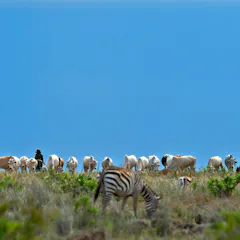
Conservation that places less emphasis on who may or may not use a piece of land could result in better outcomes for people and wildlife.
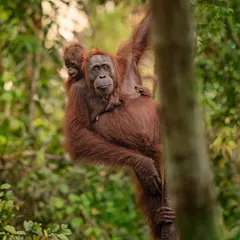
Setting aside half of Borneo would significantly reduce their decline, say experts.
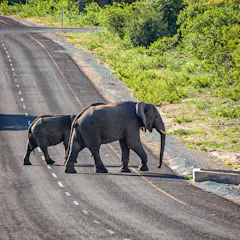
A study of tweets posted in 2019 found that tweets about elephant conservation didn’t align with the actual greatest threats to the animals, creating the risk of misdirected funding.

New research documented 50 different ways Sydneysiders tried to stop sulphur-crested cockatoos opening their bins, from rubber snakes to custom locks. Humans didn’t always win.
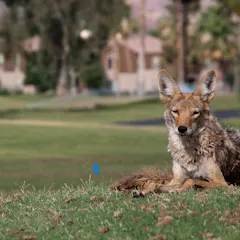
Urban coyotes prey on rodents and spread plant seeds. It’s OK to observe them from a distance, but then you should chase them off.

The recent goring of a tourist who approached within 10 feet of a bison in Yellowstone National Park is a reminder that wild animals can be dangerous and people should keep safe distances.
CC BY-NC-ND11.7 MB (download)
As humans and wildlife come into closer contact, it is crucial to ensure that there's a relationship that benefits both people and animals.

This was the first national DNA-based assessment of any free-ranging large mammal in Africa.
Top contributors
-

Senior Researcher and Statistician, University of Hohenheim
-
Professor of Fish, Wildlife, and Conservation Biology and Director, Center for Human-Carnivore Coexistence, Colorado State University
-
PhD Student in Fisheries & Wildlife and Ecology, Evolutionary Biology & Behavior, Michigan State University
-
Environmental Social Scientist, Newcastle University
-
Postdoctoral Research Associate, Leverhulme Centre for Anthropocene Biodiversity, University of York
-
Professor and Chair, Southwestern Environmental Science and Policy, Northern Arizona University
-
Professor of Wildlife Conservation, University of Oxford
-
Postdoctoral research fellow, German Centre for Integrative Biodiversity Research
-
Adjunct Assistant Professor, University of Wyoming
-
Affiliate Faculty in Fish, Wildlife and Conservation Biology, Colorado State University
-
Lambert Reader in Human-Wildlife Coexistence, Birkbeck, University of London
-
Postdoctoral Researcher in Environmental Conservation, UMass Amherst
-
Associate Professor, University of Oxford
-
Assistant Professor in the Human Dimensions of Natural Resources, Colorado State University
-
Adjunct Assistant Professor, University of Miami