
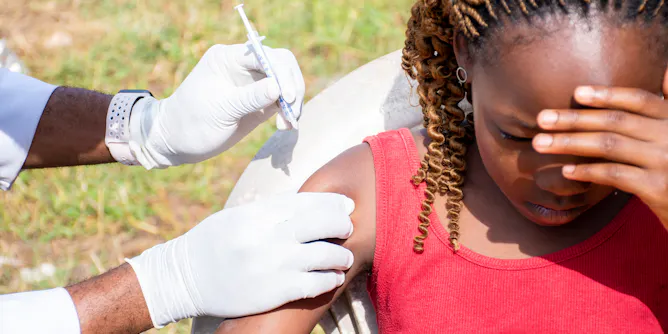
The HPV vaccine is an effective prevention for cervical cancer, especially if adolescents get it before sexual debut.
Articles on HPV
Displaying 21 - 40 of 63 articles
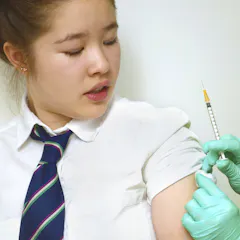
Researchers have found a way to encourage cervical cancer screenings and vaccinations in Korean American women. Might their findings also work in other underrepresented populations?

New research reveals a link between a diagnosis of cancer and a lifetime number of 10 or more sexual partners. But there are some flaws in the research we need to consider in interpreting the results.

Everyone will benefit from wider HPV vaccinations.

In 18 states, parents can choose to exempt their children from vaccines for nonmedical ‘philosophical’ or ‘personal belief’ reasons.
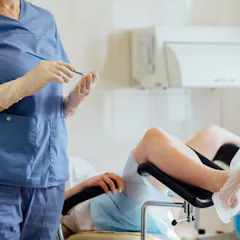
Many countries have swapped Pap smears for the more accurate HPV screening. Why is the UK so far behind?
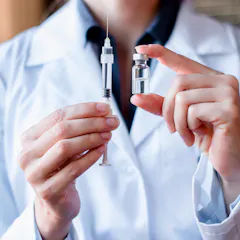
When British parents are informed of the risks of HPV, they want their sons to be vaccinated against the virus.

Medical research suggests cervical cancer screening for women under the age of 25 has little impact. Women should therefore be screened at a later age, and less often.
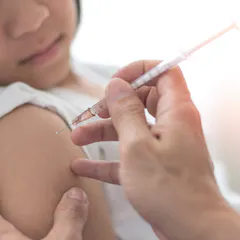
Prevention against cervical cancer is the main aim of the Gardasil vaccine. But HPV is also linked to a large proportion of anal, vaginal and head and neck cancers.

For the first time, some Australian women will be eligible to collect their own sample for cervical screening. While it’s not as accurate as one from a GP or nurse, it could still save your life.
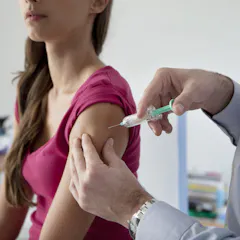
Smear tests are no fun for women, and the HPV vaccine and better screening will offer better protection from cancer and fewer trips to the women.

A new version of the HPV vaccine Gardasil protects against nine types of the virus, and is already being used overseas.

Rwanda’s vaccination programme for girls against HPV, the most common sexually transmitted disease was a huge success, thanks to implementation science.
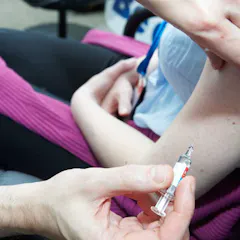
A new study has found rates of genital warts have decreased significantly since the HPV vaccine was introduced.
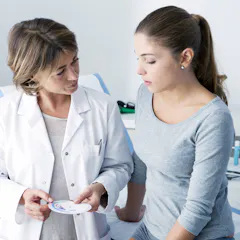
There is a lot of misinformation about the government’s new cervical cancer screening program that involves less frequent tests. Here are the facts.
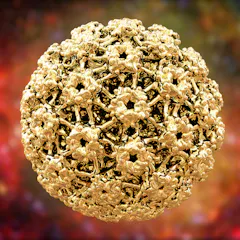
The roll-out of a new screening program for cervical cancer has been delayed, leaving Australian women understandably confused about if or when they need Pap smears. Here’s what they need to know.
Obesity is one of the factors behind a large rise in cancer rates among women.

Common warts can be hard to treat. No wonder people turn to home remedies, like duct tape and vinegar. But do they really work?
Of women who die from cervical cancer, 87% live in poor countries.
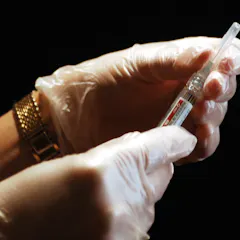
The best way to prevent head and neck cancers, which are more common in men, is to get the HPV vaccine. It’s free for boys and girls aged 12 and 13.
Top contributors
-

Associate Professor, City University of New York
-
Professor, Special Projects, Obstetrics & Gynaecology, University of Cape Town
-
Lead, Cancer Elimination Collaboration (CEC) and Professor of Public Health, University of Sydney
-
Honorary Fellow at Department of Pharmacology and Therapeutics, The University of Melbourne
-
Principal Research Fellow, The Daffodil Centre, a joint venture with Cancer Council NSW, University of Sydney
-
Professor of Biomedical Sciences, Anglia Ruskin University
-
Lecturer in the School of Women's and Children's Health, UNSW
-
Researcher at Sydney Health Ethics, University of Sydney
-
Professor, Kirby Institute, UNSW
-
Professor, Department of Biomedical and Life Sciences, Lancaster University
-
Professor of Public Health, University of Sydney
-
Professor, Melbourne University, The Royal Women's Hospital
-
Emeritus Professor, Australian Research Centre in Sex, Health and Society, La Trobe University
-
Dean of the National School of Tropical Medicine and Professor of Pediatrics and Molecular Virology & Microbiology, Baylor College of Medicine
-
Epidemiologist, Queen Mary University of London