
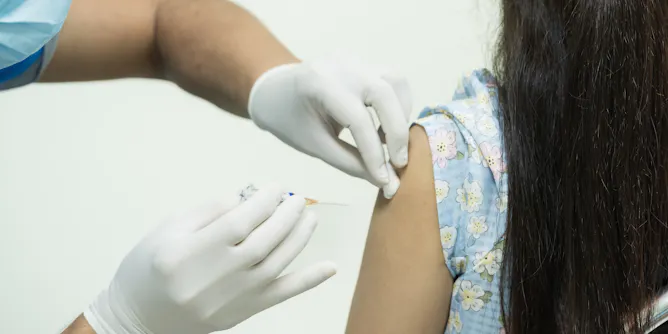
No vaccinated young woman in England has died of cervical cancer in years. Japan’s vaccine scare shows how easily that progress can unravel.
Articles on HPV vaccine
Displaying 1 - 20 of 26 articles
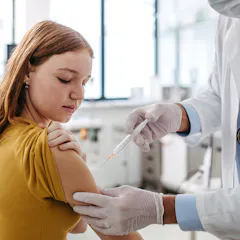
A long-term study following girls and young women for nearly two decades shows the HPV vaccine provides strong and lasting protection against cervical cancer.

One virus is responsible for up to 90% of anal cancers.

Men are often embarrassed or in denial about penis cancer and so only seek treatment at a late stage.
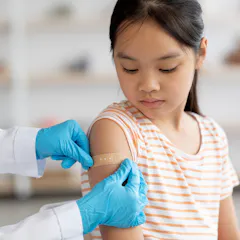
Current vaccination and screening programmes mean England is already on track.
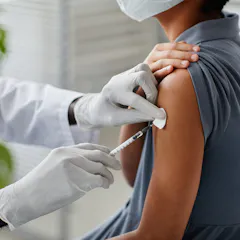
Cervical cancer is one of the most common cancers in women. Mortality rates in sub-Saharan Africa are three times higher than the global average.

Preventive and therapeutic vaccines both train the immune system to fight disease, but they are used in different ways.
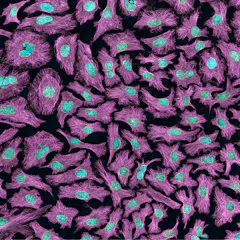
The immortal cancer cells of Henrietta Lacks revolutionized the fields of science, medicine and bioethics. And they still survive today, more than 70 years after her death.
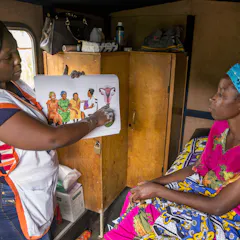
People in the world’s poorest regions have not benefited equally from the recent advancements made in cancer screening, prevention and treatment.

Addressing these gaps in the vaccination programme will ensure more people are being protected against the type of cancer.
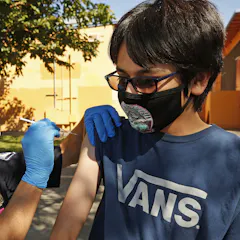
For decades, US schools have been common sites for vaccine clinics to respond to outbreaks and provide catch-up immunizations. So why are they suddenly controversial?
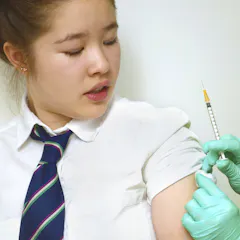
Researchers have found a way to encourage cervical cancer screenings and vaccinations in Korean American women. Might their findings also work in other underrepresented populations?

Everyone will benefit from wider HPV vaccinations.
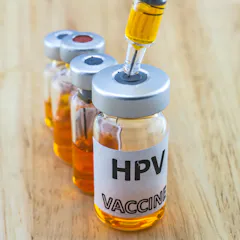
Why it is now realistic to talk about eliminating cervical cancer altogether.
Prevention against cervical cancer is the main aim of the Gardasil vaccine. But HPV is also linked to a large proportion of anal, vaginal and head and neck cancers.
Smear tests are no fun for women, and the HPV vaccine and better screening will offer better protection from cancer and fewer trips to the women.

A new study shows that anal cancer, caused by the virus HPV, can be successfully fought in HIV-positive men by timely treatment and HPV vaccination of lesions that may ultimately lead to cancer.
A new study has found rates of genital warts have decreased significantly since the HPV vaccine was introduced.
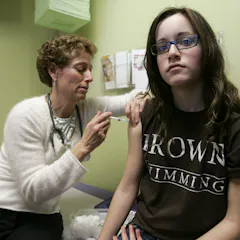
A vaccine to prevent cancer was long a dream for those who treat the disease. But fewer than half of all girls and even fewer boys have been vaccinated. Cancer specialists hope this will soon change.

Of women who die from cervical cancer, 87% live in poor countries.
Top contributors
-

Professor, Special Projects, Obstetrics & Gynaecology, University of Cape Town
-
Professor of Biomedical Sciences, Anglia Ruskin University
-
Richard Doll Professor of Epidemiology and Medicine, University of Oxford
-
Professor of Health Behavior and Health Education, Co-Director of the Center for Bioethics and Social Sciences in Medicine, University of Michigan
-
Professor of Pharmaceutical Chemistry, Macquarie University
-
Professor (Adjunct) in Infectious Diseases Epidemiology, Australian National University
-
Cancer Screening Statistician, Queen Mary University of London
-
Associate Professor, Women’s College Hospital and Research Institute, University of Toronto
-
Associate Professor, City University of New York
-
Lecturer, Queen's University Belfast
-
Graduate Student, Psychology, University of Missouri-Columbia
-
Director, Institute of Cancer Policy, King's College London
-
Associate Professor, School of Biomedical Engineering, University of Technology Sydney
-
Professor of Cancer Research, College of Medicine, The Ohio State University
-
Honorary Fellow at Department of Pharmacology and Therapeutics, The University of Melbourne