
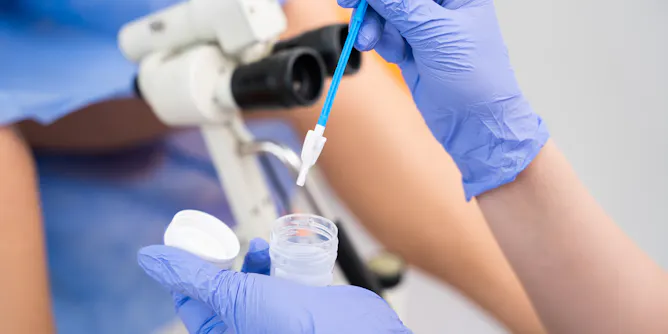
From July 2025, most 25–49s with a negative HPV result will be screened every five years. At-home kits will help reach those who avoid cervical screening.
Articles on HPV screening
Displaying all articles
The human papillomavirus is the primary cause of cervical cancer – but not all infected individuals develop the disease.

Only 6,000 women used self-collection in cervical screening between 2017 and 2019, out of about one million women eligible. We need to boost those numbers if we’re ever to eliminate cervical cancer.
It’s not just measles you need to worry about.

For the first time, some Australian women will be eligible to collect their own sample for cervical screening. While it’s not as accurate as one from a GP or nurse, it could still save your life.
Smear tests are no fun for women, and the HPV vaccine and better screening will offer better protection from cancer and fewer trips to the women.
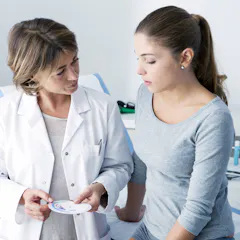
There is a lot of misinformation about the government’s new cervical cancer screening program that involves less frequent tests. Here are the facts.
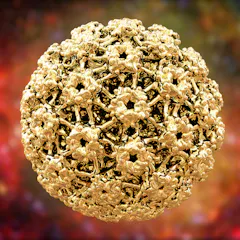
The roll-out of a new screening program for cervical cancer has been delayed, leaving Australian women understandably confused about if or when they need Pap smears. Here’s what they need to know.
Of women who die from cervical cancer, 87% live in poor countries.

The big surprise about this year’s health budget was what wasn’t there – billions of dollars in expected savings from the Pharmaceutical Benefits Scheme.

Australian women may soon have fewer of those uncomfortable visits to the doctor for cervical cancer screening. After an extensive evidence review, the Medical Services Advisory Committee has recommended…
Top contributors
-

Lead, Cancer Elimination Collaboration (CEC) and Professor of Public Health, University of Sydney
-
Researcher at Sydney Health Ethics, University of Sydney
-
Program Director, Health and Aged Care, Grattan Institute
-
Senior Lecturer in Health Economics, Imperial College London
-
Emeritus Professor, Menzies Centre for Health Policy, University of Sydney
-
Director, Institute of Cancer Policy, King's College London
-
Lecturer in the School of Women's and Children's Health, UNSW
-
Senior Lecturer in Ethics and Professionalism, Adelaide University
-
Associate Professor, Women’s College Hospital and Research Institute, University of Toronto
-
Cancer Screening Statistician, Queen Mary University of London
-
Principal Research Fellow, The Daffodil Centre, a joint venture with Cancer Council NSW, University of Sydney
-
Professor, Special Projects, Obstetrics & Gynaecology, University of Cape Town
-
Professor of Health Economics, University of Technology Sydney
-
Research Fellow in Implementation Science at the Centre for Health Policy, The University of Melbourne
-
Lecturer, University of the Witwatersrand