
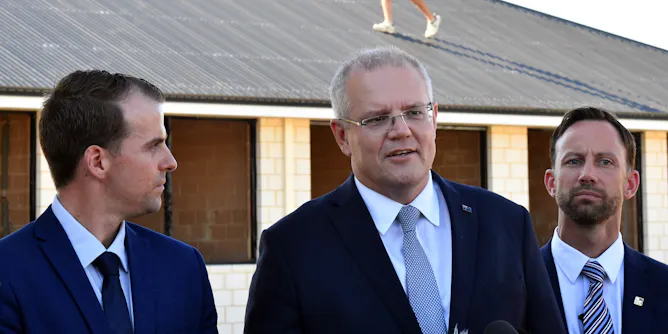
The Morrison government, having added a housing minister to its ranks, needs to recognise housing as having more than just economic value. Its impact on our ability to give and receive care is critical.
Articles on Housing policy
Displaying 121 - 140 of 225 articles
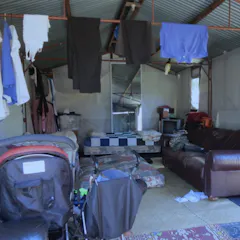
With Australian city rents too high for low-income earners, increasing numbers are forced to share houses or rooms or to live in options like ‘beds in sheds’ and other illegal dwellings.
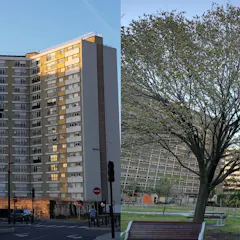
Whether in Melbourne or in Paris, African immigrants face social and cultural challenges, which public housing can either add to or help overcome.

Housing policy is a stark point of difference at this election. While the government took promising steps to set up social housing finance, it has yet to give any sign it will finish what it started.
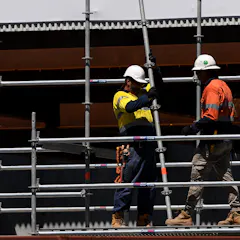
Housing markets never have met the lowest-income households’ needs. Now is the time to tackle problems that have been years in the making by creating a better system to supply their housing.
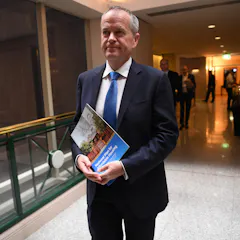
The problems with housing systems in Australia and similar countries run deep. Solutions depend on a fundamental rethink of our approach to housing and its central place in our lives and the economy.

Parents and children rarely put agreements about granny flats in writing and almost never consult a lawyer. But when these arrangements go wrong, the consequences can be disastrous and costly for all.

Housing policy needs to prioritise housing’s function as a home, rather than an asset.
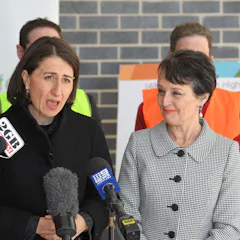
For the first time a state government housing agency has effectively contracted out all its operations in some regions, but will this improve and add to the total social housing stock?

Building defects in apartment blocks are far from unusual. We need to identify the systemic flaws contributing to them.
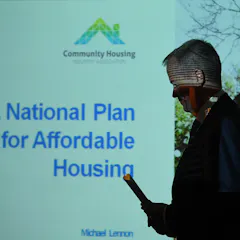
Labor has made a substantial commitment to tackling inequality in Australia, but has taken a second-best approach to overcoming the huge shortfall of social housing.

While share houses are more a matter of financial necessity than choice, many older Australians are discovering it has unexpected social benefits for them.

A tenfold increase in building is needed to overcome the current social housing shortfall and cover projected growth in need. But it can be done, and direct public investment is the cheapest way.
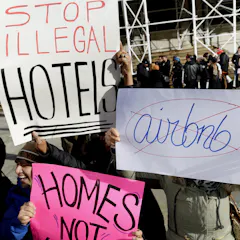
Short-term letting via digital platforms benefits some in the market at the expense of others. Closer regulation might be needed in Melbourne and Sydney, where a permissive approach prevails.

Renting a house shouldn’t mean it’s not home. Until we change our meaning of home by separating it from ownership, we will never be able to “fix” Australia’s housing crisis.

Shared equity models have a dual benefit of making home ownership affordable for people on modest incomes and freeing up scarce social housing for other households in need.

Proposed changes to NSW rental tenancy law are an improvement, but do not end the excessive rent increases and “no grounds” evictions that put renters – and older women in particular – at risk.

Residential tenancy reforms are before the NSW parliament, but a key reform is missing. In this open letter, housing academics call for an end to landlords’ power to terminate leases with ‘no grounds’.
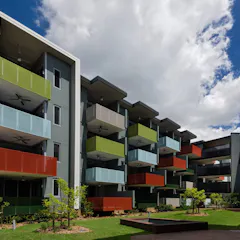
Much of the innovation in providing social housing is coming from community housing providers around the country. And it’s desperately needed given the state of housing inequality in Australia.

Property prices have soared in the past decade, but much more modest increases in rent, with the exception of Sydney, suggest less of an imbalance of supply and demand for housing as a place to live.
Top contributors
-

Emeritus Professor of Housing, UNSW
-
John Curtin Distinguished Professor, Curtin University
-
Professor of Urban and Regional Planning, University of Sydney
-
Professor of Housing Research, Adelaide University
-
Professor, City Futures Research Centre, Faculty of the Built Environment, UNSW
-
Emeritus Professor, Urban Planning and Policy, University of Sydney
-
Professor of Housing & Social Policy, HHAUS Housing, Homelessness & Urban Studies, Swinburne University of Technology
-
Research associate, The University of Melbourne
-
Senior Research Fellow, City Futures Research Centre, UNSW
-
Head of Urbanism and Associate Professor of Urban Studies, School of Architecture, Design and Planning, University of Sydney
-
Associate professor in urbanism, University of Sydney
-
Associate Professor, Geography and Urban Studies, Western Sydney University
-
Professor of Social Epidemiology and Director of the Centre of Research Excellence in Healthy Housing at the Melbourne School of Population and Global Health, The University of Melbourne
-
John Curtin Distinguished Professor, Curtin Business School, Curtin University
-
Honorary Professor of Housing Policy and Practice, City Futures Research Centre, UNSW