
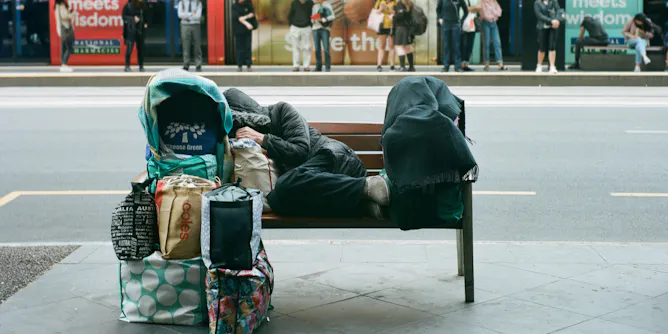
When the moratorium on evictions ends, even more Australians will face housing insecurity and homelessness. Beyond the moral and health cases, there’s a powerful financial reason to end homelessness.
Articles on Housing policy
Displaying 81 - 100 of 225 articles

The fallout from COVID-19 for housing and homelessness just adds to the urgency of fixing the long-standing ills of the housing market. The well-being of Australia’s economy and people depends on it.
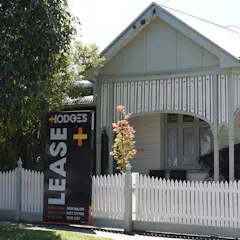
Accommodation providers are reporting huge increases in the numbers of people coming to them for help. They’d love to be able to use newly vacant rental housing, but it’s not a lasting solution.
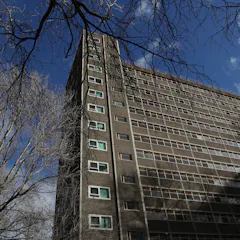
Ghettos of crime, drugs and vice? Full of people bludging off the state? That’s typical of the unfair stigma attached to public housing, and it distracts us from more fundamental issues.

High rents and insecurity are constant sources of financial and emotional stress for low-income women. They describe what it’s like struggling to survive and being one step away from being homeless.

Older women have been the fastest-growing group of homeless people in recent years. New research shows about 240,000 women aged 55 or older and another 165,000 women aged 45-54 are at risk.
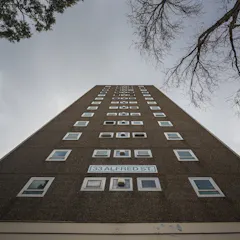
Much of our public housing stock is ageing and substandard. But we can learn from outstanding examples of retrofit projects that have transformed existing blocks into high-quality housing.
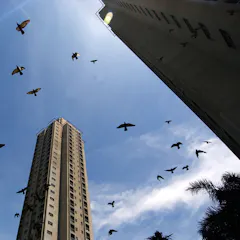
Public housing renewal often aims for a 70:30 private-public mix of dwellings. Modelling shows applying this mix to Waterloo housing estate would cut the suburb’s social housing share from 30% to 17%.
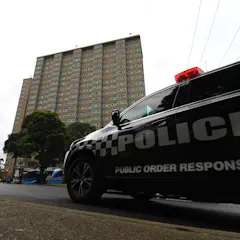
The public housing hard lockdown is the product of a punitive public housing system whose residents have been neglected for decades.

Most local councils, developers and nonprofit providers want mandatory affordable housing requirements applied to all development. The current system of voluntary negotiations just isn’t working well.

You’d think falling housing prices might help people on low incomes, but history shows downturns often increase inequality. And many buyers who took out big loans during the housing boom are at risk.

Of 2,646 hectares of public land being prepared for sale in Victoria, 24 sites are suitable for building high-quality public housing in places of high need. Why isn’t the land being used for this?

The pandemic has brought to a head deep-rooted problems with how housing is provided in Australia. Fortunately, the solutions can play a central role in the national recovery process.
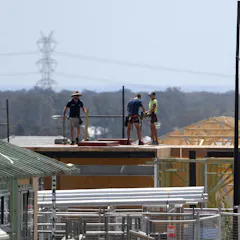
Construction employs one in ten Australians, with a broad range of skills, using mostly locally made materials. Building social housing would meet urgent social needs as well as creating jobs.
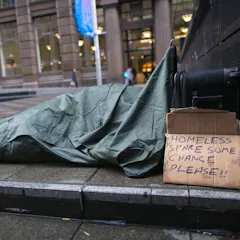
The system isn’t working to prevent young Australians becoming homeless and to house them when they need it. New research finds a shift to proven community-based approaches can end decades of failure.
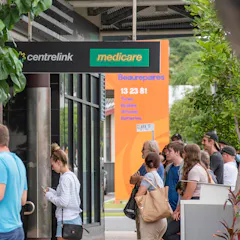
Australians faces an even more unequal future unless post-pandemic housing policy focuses on equity, solidarity and security. .

Reducing crowding and repairing social housing can decrease the risk of COVID-19 in remote Indigenous communities. It will bring other long-term benefits, too.
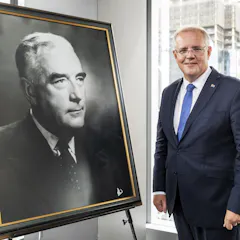
Government action to control rents isn’t unprecedented. Menzies did it in the second world and subsequent state measures kept rents in check for decades. Now extreme circumstances justify it again.
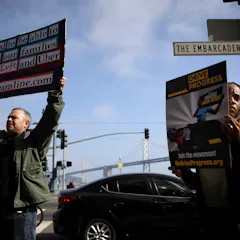
A scholar of the American safety net explains how, through her own brother, she’s getting a personal window into what it means to face COVID-19 as a worker in the gig economy.
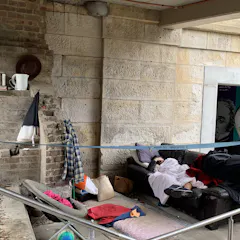
Improving the housing conditions of the most marginalised people among us is an important biosecurity measure for the whole community.
Top contributors
-

Emeritus Professor of Housing, UNSW
-
John Curtin Distinguished Professor, Curtin University
-
Professor of Urban and Regional Planning, University of Sydney
-
Professor of Housing Research, Adelaide University
-
Professor, City Futures Research Centre, Faculty of the Built Environment, UNSW
-
Emeritus Professor, Urban Planning and Policy, University of Sydney
-
Professor of Housing & Social Policy, HHAUS Housing, Homelessness & Urban Studies, Swinburne University of Technology
-
Research associate, The University of Melbourne
-
Senior Research Fellow, City Futures Research Centre, UNSW
-
Head of Urbanism and Associate Professor of Urban Studies, School of Architecture, Design and Planning, University of Sydney
-
Associate professor in urbanism, University of Sydney
-
Associate Professor, Geography and Urban Studies, Western Sydney University
-
Professor of Social Epidemiology and Director of the Centre of Research Excellence in Healthy Housing at the Melbourne School of Population and Global Health, The University of Melbourne
-
John Curtin Distinguished Professor, Curtin Business School, Curtin University
-
Honorary Professor of Housing Policy and Practice, City Futures Research Centre, UNSW