
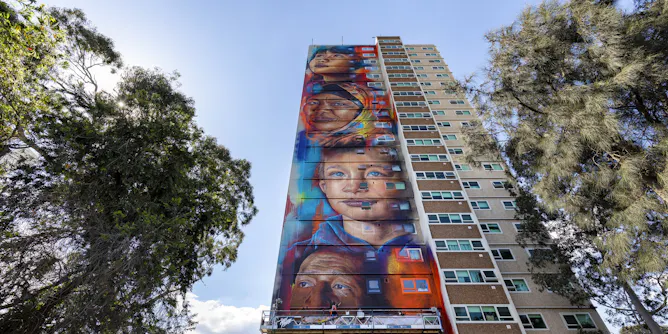
A home, a springboard, or a safety net? New research finds a surprisingly large number of Australians have lived in social housing since 2000, using it in several very different ways.
Articles on Housing policy
Displaying 101 - 120 of 225 articles
Long before a fire season that destroyed 3,500 homes, more than 100,000 Australians were homeless. If only we showed the same urgency and innovation in housing them as we did for bushfire victims.

More older Australians are carrying housing debt later in life, or not owning homes at all, but lack suitable alternatives to the family home. The result is lower incomes in retirement.
Millions of Australians are struggling with unaffordable housing. It’s a systemic problem that’s been decades in the making, and only concerted system-wide reforms will fix it.

While a majority of householders over 55 have thought about downsizing, only one in four have done it. What’s stopping them? Most simply can’t find a home in the right place that meets their needs.
Tracing politicians’ use of the term ‘housing crisis’ reveals it came into common use only in recent years, and then only by opposition MPs. Governments prefer to frame the issues differently.
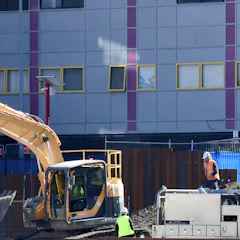
The government-backed body set up to help finance social housing providers is providing longer-term, cheaper loans. What’s still missing in Australia is direct public investment in new housing.
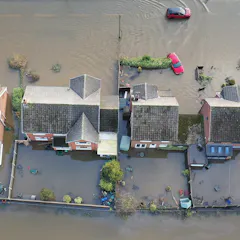
More than 300,000 homes have been built in areas of high flood risk since 1989.

After paying rent, more than half of low-income tenants don’t have enough left over for other essentials. And the latest evidence shows nearly half of them are stuck in this situation for years.

It’s time to tackle the shortage of public housing head-on, rather than skirt around the problem. Public housing is the single most cost-effective way to turn around the rise in homelessness.

Resettlement plans for large infrastructure projects don’t always go according to plan.
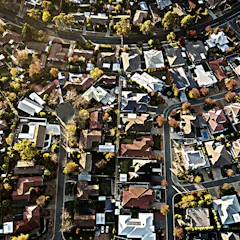
The key to arresting galloping inequality in Australia comes down to housing policy and reversing spiralling housing costs.
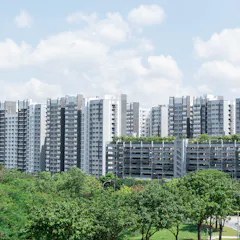
A coordinated mix of policies does more to keep housing affordable for a significant proportion of a city’s residents than the unbalanced approach we see in Sydney.
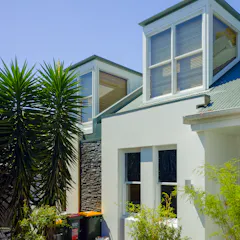
Australians’ need for smaller and more diverse dwellings is growing. The planning system is not providing enough of this housing, and self-serving opposition to it should be resisted.

The difficulties for people facing housing disadvantage don’t end as soon as their situation improves. They are at higher risk of poorer mental health years or even decades later.

Whether you owned a home or not used to be straightforward. The boundaries are becoming permeable.
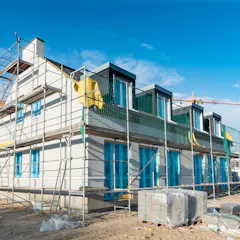
People on the minimum wage can afford only 2% of private rentals and only 1% if on the pension. Affordable housing requirements are often mandatory overseas, but Victoria is relying on negotiation.
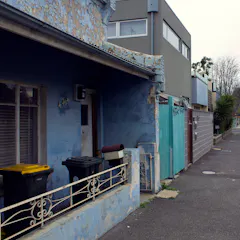
Having quality housing matters. What’s standing in the way of ensuring every Australian has housing that meets basic comfort and health standards? And how can we overcome these problems?

The policy focus remains on home ownership, but a new survey shows slight improvements in affordability do little to help people on low incomes. Their plight calls for better social housing policy.
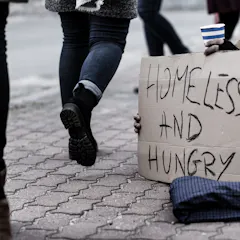
Homelessness in Australia is increasingly concentrated in the capital cities, where nearly two in every three people without a home are now found. That’s the finding of a study of the data since 2001.
Top contributors
-

Emeritus Professor of Housing, UNSW
-
John Curtin Distinguished Professor, Curtin University
-
Professor of Urban and Regional Planning, University of Sydney
-
Professor of Housing Research, Adelaide University
-
Professor, City Futures Research Centre, Faculty of the Built Environment, UNSW
-
Emeritus Professor, Urban Planning and Policy, University of Sydney
-
Professor of Housing & Social Policy, HHAUS Housing, Homelessness & Urban Studies, Swinburne University of Technology
-
Research associate, The University of Melbourne
-
Senior Research Fellow, City Futures Research Centre, UNSW
-
Head of Urbanism and Associate Professor of Urban Studies, School of Architecture, Design and Planning, University of Sydney
-
Associate professor in urbanism, University of Sydney
-
Associate Professor, Geography and Urban Studies, Western Sydney University
-
Professor of Social Epidemiology and Director of the Centre of Research Excellence in Healthy Housing at the Melbourne School of Population and Global Health, The University of Melbourne
-
John Curtin Distinguished Professor, Curtin Business School, Curtin University
-
Honorary Professor of Housing Policy and Practice, City Futures Research Centre, UNSW