
The 2026 budget has delivered big reforms on housing affordability and tax. But there are very few specific measures for regional Australia’s biggest pain points.
Articles on Housing
Displaying 61 - 80 of 1124 articles

A three year study of Tanzanian children found that changing the way homes are designed can prevent diarrhoea, pneumonia and malaria, and help children grow taller.

After decades of wealthy investors getting a better deal, this budget finally tilts the scales for younger people trying to buy their first home.

Despite previously promising not to touch negative gearing and capital gains tax, this budget will include reform of both. The treasurer says it’s the right decision.
The finance journalist says changes to capital gains tax concessions and negative gearing are only likely to have a ‘symbolic effect’ on housing affordability.

Poor housing affects education, employment, caring, sleep, relationships and dignity.

The US and UK both face a housing crisis. But while US policy has stalled, the UK has just enacted major protections for renters.
And what might it mean for renters – especially rental housing supply and prices – if the government does tackle negative gearing?
For a quarter of its residents, Pittsburgh isn’t an affordable place to live. A contested housing policy is at the center of efforts to change that.

The Privacy Commissioner’s decision is important for protecting renters’ rights. It must be matched with legal reform.
We don’t inflation-proof any other parts of the tax system, so why should we give special treatment to capital gains?
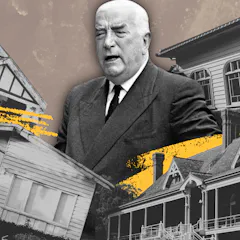
Under Australia’s longest-serving prime minister, home ownership expanded from about half of all homes to more than seven in ten. The consequences reverberate today.

In the 1940s, tent cities and ‘shanty’ settlements appeared across Australia, as families struggled to find homes. The government acted then – and needs to now.

State lawmakers are trying to shield tracks from nuisance lawsuits − but the larger threat may be rising land values and redevelopment pressures.
Open to Australians aged 67 or older, the scheme has an interest rate of just 3.95% – which hasn’t changed in more than three years.

The study found that regularly getting cash made it easier for many homeless people to meet their immediate and personal needs.
Home builders with fixed price contracts can only absorb so much cost pressure. Research shows which builders were already at most risk, even before the war started.

After decades of sprawling suburbs, various cities are embarking on densification projects that emphasize proximity, diversity, and neighborhood services.

Researchers are using machine learning models to identify gentrification in imagery. Community insights help keep the models on track
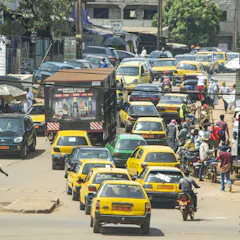
Every city is different but they can learn from each other.
Top contributors
-

Emeritus Professor of Housing, UNSW
-
John Curtin Distinguished Professor, Curtin University
-
Professorial Fellow, University of Canberra
-
John Curtin Distinguished Professor, Curtin Business School, Curtin University
-
Program Director, Housing and Economic Security, Grattan Institute
-
Professor of Housing Research, Adelaide University
-
Head of Urbanism and Associate Professor of Urban Studies, School of Architecture, Design and Planning, University of Sydney
-
Senior Research Fellow, City Futures Research Centre, UNSW
-
Professor of Urban and Regional Planning, University of Sydney
-
Associate Professor in Property, Construction and Project Management, RMIT University
-
Emeritus Professor of Housing and Housing Studies, RMIT University
-
Alan Morris is a Friend of The Conversation.
Professor, Institute for Public Policy and Governance, University of Technology Sydney
-
Emeritus Professor, Urban Planning and Policy, University of Sydney
-
Visiting Fellow, Crawford School of Public Policy, Australian National University
-
Associate Professor & Global Challenge Lead, Urban Transformations Research Centre, Western Sydney University; University of British Columbia