
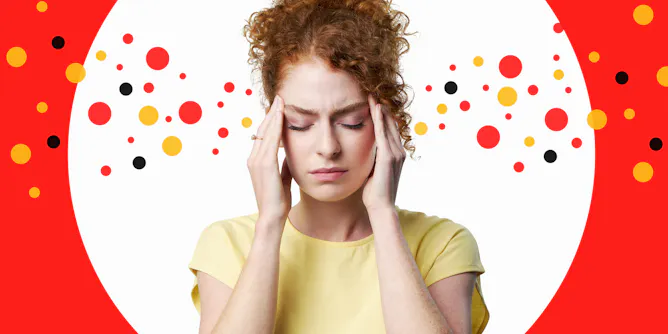
Women typically suffer from more headaches than men, and some people experience migraines only during menstruation.
Articles on Hormones
Displaying 41 - 60 of 158 articles
Why are some individuals at greater risk for developing opioid dependence and addiction? Two neuroscientists at Rowan University discuss their latest findings.
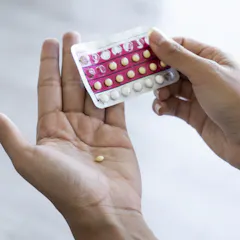
A neuroscientist explains how hormonal contraceptives work − and how stress may increase or decrease depression risk while on them.

Fluctuating hormones affect the frequency of seizures at multiple times in women’s lives. So we need to tailor their therapies accordingly.

Does weight come back when you stop taking drugs like Ozempic? Are these medications simply another (expensive) form of yo-yo dieting? Here’s what we know so far.

We don’t tell people taking statins to treat high cholesterol or drugs to manage high blood pressure they’re cheating or taking the easy way out. Nor should we when people take drugs like Ozempic.
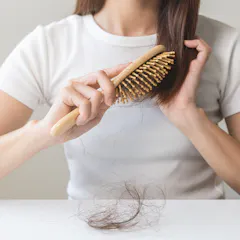
Many diseases can alter the quality and appearance of your hair.

The study found women were at the greatest risk of suicide during the secretory and proliferative phases of their menstrual cycle.
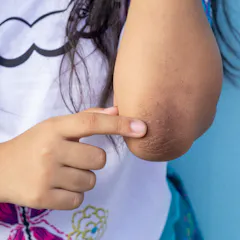
Skin is the largest and most visible organ in the human body – and can provide many clues about what’s going on underneath it.
Changes around puberty and pregnancy can affect the function of genes influencing hair shape. And chemotherapy can cause hair to regrow in a different shape for the first few cycles of hair regrowth.

Most teens aren’t getting enough sleep, leading to poorer academic performance. Early school start times combined with natural changes in hormones and the circadian rhythm could be to blame.

New research has uncovered the hormone that triggers morning sickness, offering hope for millions of women.

When we change our diet, we disrupt our appetite hormones. Here’s how it works – and how small changes to our diet can help us feel fuller for longer.

Climate change is causing higher levels of stress in fish, and the resulting hormonal imbalances are fundamentally altering entire populations.
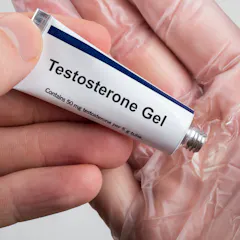
Testosterone in men declines at a rate of around 1% a year from age 30. That doesn’t mean that men go through the ‘manopause’.
Understanding our menstrual cycle and taking a proactive approach to our periods is vital to improving sports performance.

Tracking the many physical and emotional symptoms of menopause with a website, app or diary can help women better monitor their health.

Women are more likely to develop chronic diseases driven by the immune system.

For many years women were blamed for a couple’s infertility. But it’s now known that male factor infertility contributes to about 50% of total cases.

The most popular supplements for hot flushes are phytoestrogens (or plant estrogens). This trend has been partly driven by companies that promote them as a safer alternative to hormone therapy.
Top contributors
-

Professor of Psychiatry, Monash University
-
Senior Lecturer in Biochemistry, Sheffield Hallam University
-
Associate Professor of Medical Sciences, University of Wollongong
-
Associate Professor and Clinical Neuropsychologist, Monash University
-
Professor of Anatomy, Lancaster University
-
Professor of Women’s Health Research, Department of Obstetrics and Gynaecology, & Director of Research, Royal Women's Hospital, The University of Melbourne
-
Research Fellow in Women's Mental Health, Monash University
-
Clinical Trials Director, Department of Endocrinology, RPA Hospital, University of Sydney
-
Associate professor in Mental Health and Behavioural Science, University of Wollongong
-
Associate Professor in Contraception, Reproductive and Sexual Health, Anglia Ruskin University
-
Emeritus Director, Hudson Institute
-
Gynaecology Unit Head the Royal Women’s Hospital and Clinical Associate Professor in the Department of Obstetrics and Gynaecology, The University of Melbourne
-
Senior Lecturer, School of Psychology and Neuroscience, University of Bristol
-
Chair of Women's Health, Monash University
-
NHMRC Emerging Leader Research Fellow in Reproductive Health, School of Public Health, University of Sydney