

Black American women have disproportionate HIV infection rates – in part because of systemic and structural racism in the health care system.
Articles on HIV
Displaying 121 - 140 of 433 articles

This finding suggests public health efforts will have to address the treatment barriers these men face – like poverty or homophobia – to meet the nation’s goal of ending the HIV epidemic by 2030.

Schools have not adequately educated students about the increased risks of virus transmission when it comes to being sexually intimate.
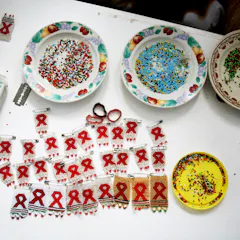
Stigma and criminalisation of same-sex relationships makes it difficult for transgender women and men who have sex with men to seek preventive services. This compounds their risk for HIV infection.

People with HIV need to take daily medication to keep the virus at bay. A study has found that a new treatment combination could boost immunity and control virus levels even after stopping medication.
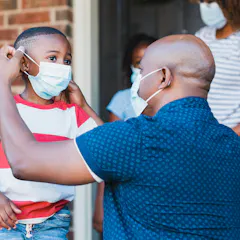
Estimates suggest that every 12 seconds, a child somewhere in the world loses a caregiver to the coronavirus pandemic.

Current HIV criminal laws increase HIV stigma and discrimination against marginalized people – and negatively affect public health.

Understanding why men may be less likely to get a COVID-19 vaccine is crucial for designing effective vaccination campaigns.
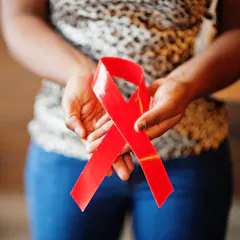
Microaggressions are more subtle than outright discrimination. But they can directly affect HIV treatment outcomes.

The COVID pandemic is giving drug companies an opportunity to reset their image. So how did they get so big and their credibility sink so low?
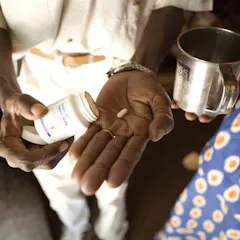
There are currently 1.2 million Ugandans enrolled on antiretroviral therapy (ART). They are especially affected by the lockdown.
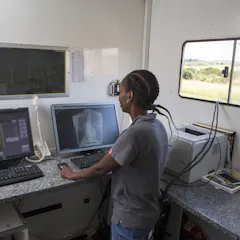
South Africa needs a public health response that expands the successes of the country’s HIV testing and treatment programme to provide care for multiple diseases.

The reasons for the hesitancy to donate blood are complex and include a fear of needles and lack of awareness. Awareness and education drives to dispel the fear of donating are important.
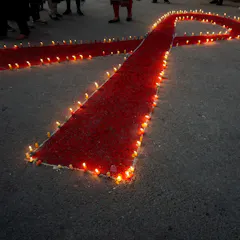
Not achieving the targets for children and adolescents in sub-Saharan Africa means that new infections will continue to increase and HIV related mortality will be a reality for decades to come.
The key actions needed to end AIDS are relatively clear. The question is whether every government, funder, and implementing organisations will apply them.

Scientists developed vaccines for COVID-19 in a matter of months. Why after 37 years do we still not have one for HIV/AIDS? On HIV Vaccine Awareness Day, it’s an important question to ask.

The HIV In My Day project preserves the early history of the HIV/AIDS pandemic through the personal stories of long-term survivors and caregivers.
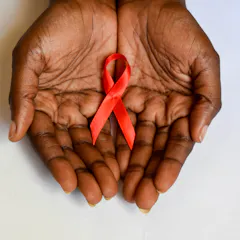
Cryptococcal ceningitis is one of the main causes of death of people with HIV. The tests and medicines to diagnose and treat it exist but remain inaccessible to most. A global strategy is needed.
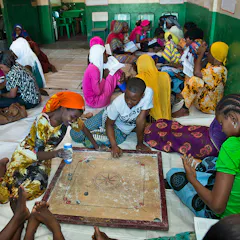
This research provides fresh insights into strategies that can be used to improve the lives of adolescents in sub-Saharan Africa and around the world.

Narrow, unimaginative public health responses inhibit reducing HIV, exploitation and marginalisation within sex work.
Top contributors
-

Associate Professor, Public Health Ethics, School of Population Health, UNSW
-
Professor of medicine and deputy director of the Desmond Tutu HIV Centre at the Institute of Infectious Disease and Molecular Medicine, University of Cape Town
-
Distinguished Professor, Infectious Disease and Oncology Research Institute, Faculty of Heath Sciences, University of the Witwatersrand, Executive Director Perinatal HIV Research Unit, Chief Scientific Officer, South African Medical Research Council
-
Melbourne Laureate Professor, University of Melbourne; Director, The Peter Doherty Institute for Infection and Immunity
-
Principal Research Fellow, Australian Research Centre in Sex, Health and Society, La Trobe University
-
Doctoral Researcher, School of Public Health and Public Health Technical Advisor, Anova Health Institute, University of the Witwatersrand
-
Assistant Professor of Public Health, University of Iowa
-
Honorary Research Associate, Centre for Infectious Disease Epidemiology and Research, University of Cape Town
-
Ezintsha, Faculty of Health Sciences, University of the Witwatersrand, University of the Witwatersrand
-
Associate Professor, Monash University
-
Research Director at The Health Economics and HIV and AIDS Research Division (HEARD), University of KwaZulu-Natal
-
Dean Faculty of Health Sciences and Professor of Vaccinology at University of the Witwatersrand; and Director of the SAMRC Vaccines and Infectious Diseases Analytics Research Unit, University of the Witwatersrand
-
Research Scientist, African Population and Health Research Center
-
Professor of Gender Studies, Chair in Sex Media and Sex Cultures, Linköping University
-
Scientia Professor of Medicine and Director, Kirby Institute, UNSW