

Less than half of the children aged 0-14 who have TB are diagnosed – so they never even start treatment.
Articles on HIV
Displaying 81 - 100 of 433 articles

The repeal of outdated apartheid-era laws would have a far-reaching, positive impact on individual sex workers’ health and well-being.

The US PEPFAR initiative has brought HIV medication to millions of people globally. Behind this progress are the activists that pressured politicians and companies to put patients over patents.
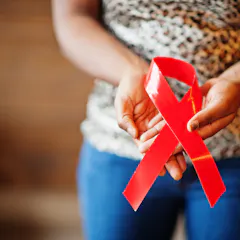
We need a combination of new approaches to reduce age disparate sex. And we need new technologies to protect young women.
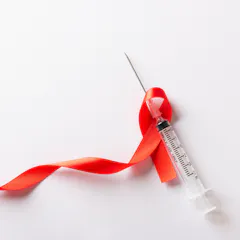
The next step in HIV prevention — long-acting injectable pre-exposure prophylaxis (PrEP) — is not yet available in Canada, a year after its approval in the U.S.

Prejudice and stigma can discourage the communities most affected by infectious diseases from seeking care. Inclusive public health messaging can prevent misinformation and guide the most vulnerable.

Intensified efforts to obtain funding are urgently required to mitigate and reverse the negative impacts of the COVID-19 pandemic on TB.

South Africans would rather see efforts go into tackling other challenges – but climate change will intensify those challenges.
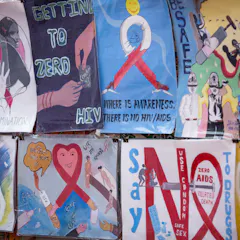
Dec. 1 marks World AIDS Day. Canada has the tools and means to end the epidemic. The question remains, are we up to the task?
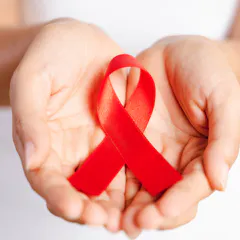
Some vulnerable populations may have fallen through the cracks despite efforts to improve access to HIV services during the pandemic in Nigeria.

The individual stories of migrant women are essential in understanding if HIV healthcare strategies and programmes are working.

The benefit of an injectable product is that it avoids the adherence issues related to taking a pill daily.
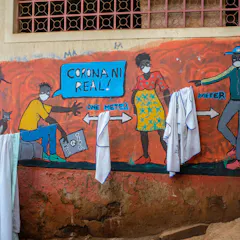
Outpatient visits, screening and diagnostic services, and child immunisation were particularly negatively affected.
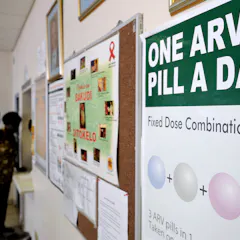
When antiretroviral therapy is working effectively, HIV cannot be transmitted. This allows people with HIV to live fuller lives without the fear of infecting others.

Antiretroviral therapies for HIV, while extremely effective, need to be taken daily for life. Designing antibody treatments that need to be taken only once could improve compliance and reduce drug resistance.
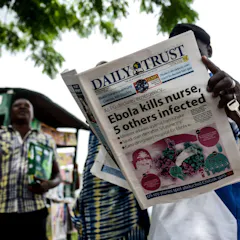
African media also emphasise the west as superior and Africa as inferior.
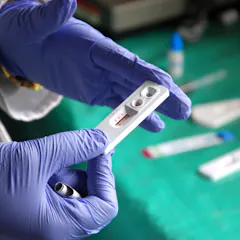
Patients with low HIV viral loads are just as likely to harbour HIV variants with drug resistance mutations as those with high viral loads.
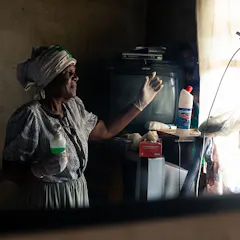
The future is bleak for Zimbabwe’s healthcare unless there are serious long-term reforms to build resilience.

The continuing precarity and vulnerability to violence has long term consequences for these women’s health and well-being.
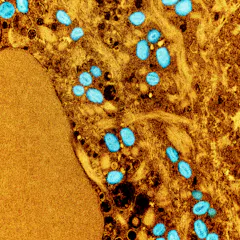
Monkeypox is not considered an STI but is spreading among sexual partners. Adding sexual health strategies to the public health response is helpful, but there is a danger of stigmatizing MPXV.
Top contributors
-

Associate Professor, Public Health Ethics, School of Population Health, UNSW
-
Professor of medicine and deputy director of the Desmond Tutu HIV Centre at the Institute of Infectious Disease and Molecular Medicine, University of Cape Town
-
Distinguished Professor, Infectious Disease and Oncology Research Institute, Faculty of Heath Sciences, University of the Witwatersrand, Executive Director Perinatal HIV Research Unit, Chief Scientific Officer, South African Medical Research Council
-
Melbourne Laureate Professor, University of Melbourne; Director, The Peter Doherty Institute for Infection and Immunity
-
Principal Research Fellow, Australian Research Centre in Sex, Health and Society, La Trobe University
-
Doctoral Researcher, School of Public Health and Public Health Technical Advisor, Anova Health Institute, University of the Witwatersrand
-
Assistant Professor of Public Health, University of Iowa
-
Honorary Research Associate, Centre for Infectious Disease Epidemiology and Research, University of Cape Town
-
Ezintsha, Faculty of Health Sciences, University of the Witwatersrand, University of the Witwatersrand
-
Associate Professor, Monash University
-
Research Director at The Health Economics and HIV and AIDS Research Division (HEARD), University of KwaZulu-Natal
-
Dean Faculty of Health Sciences and Professor of Vaccinology at University of the Witwatersrand; and Director of the SAMRC Vaccines and Infectious Diseases Analytics Research Unit, University of the Witwatersrand
-
Research Scientist, African Population and Health Research Center
-
Professor of Gender Studies, Chair in Sex Media and Sex Cultures, Linköping University
-
Scientia Professor of Medicine and Director, Kirby Institute, UNSW