

What do ammonium nitrate and iodine have in common? Both substances are of immense service to humankind, and the history of their discovery is closely linked to that of the production of explosives.
Articles on History of science
Displaying 81 - 100 of 157 articles

Is magic all about spells and hocus pocus, or is it simply another way of looking at how the universe works?
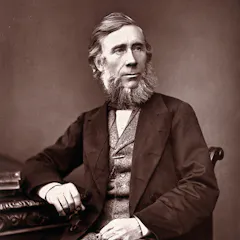
The man who explained the greenhouse effect was accidentally killed by his wife.
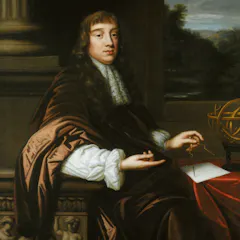
Online sleuthing and deductive reasoning identifies what appears to be the only existent portrait painted of the celebrated scientist during his lifetime.
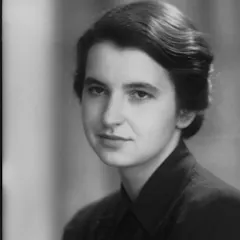
Franklin was born a century ago, and her X-ray crystallography work crucially contributed to determining the structure of DNA.
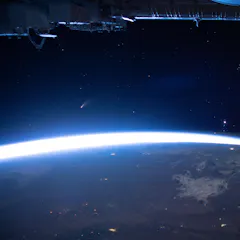
Neowise has an orbit of almost 6800 years, meaning that the last generation of people to see it would have lived during the 5th millennium BC.

Early clinical trials into ginseng, rhubarb and rice paved the way for testing coronavirus treatments today.
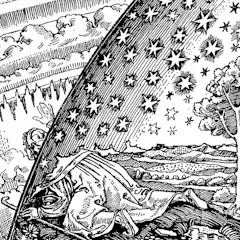
Albert Einstein may have been the ultimate example of a visionary genius, but that did not stop him from twice losing his way due to beliefs that were perhaps not so scientific.

When the outlook is dark, astronomy can help us take the long view and build for the future.

Climate change is affecting our planet’s biodiversity, yet some species can find ways to adapt. Using citizen-science data, a French research team is studying how birds adjust to local heat levels.

Understanding that germs can cause illness was an important step in learning how to stop the spread of disease

A Hungarian obstetrician was the first to nail down the importance of handwashing to stop the spread of infectious disease.
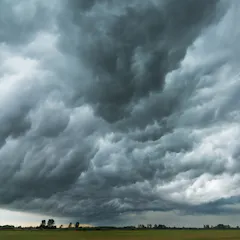
How science has been used to predict wind and rain for over 1,000 years.

Even before people understood how germs spread disease, they tried to isolate the sick to keep them from infecting others.
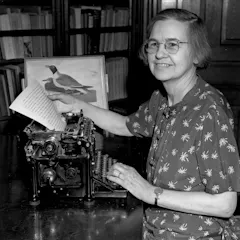
This 20th century ornithologist earned the respect of her contemporaries for her animal behavior research that went against the grain of traditional science.

Born on July 18, 1635, this polymath broke ground in fields ranging from pneumatics, microscopy, mechanics and astronomy to civil engineering and architecture.

The early days of science writing were largely confined to men, with women treated to texts labelled “for the ladies”. Things have changed, but more needs to be done.

We talk about artistic inspiration all the time – but science demands inspiration too.
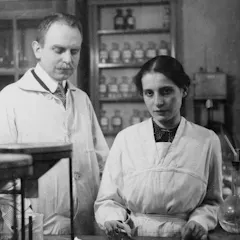
Left off publications due to Nazi prejudice, this Jewish woman lost her rightful place in the scientific pantheon as the discoverer of nuclear fission.
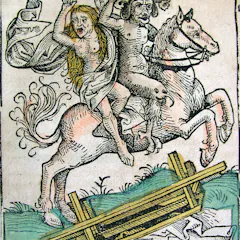
Reports of demonic possession are once again on the rise. But during the devil’s last apogee in early modern Europe, demonic afflictions were taken seriously by both priests and physicians.
Top contributors
-

Chancellor's Professor of Medicine, Liberal Arts, and Philanthropy, Indiana University
-
Professor of Nuclear Physics, Michigan State University
-
Professor of Natural Philosophy in the Department of Physics, University of York
-
Associate Professor of Science, Technology and Society, Rochester Institute of Technology
-
Professeur émérite, chercheur en physique des particules, spécialiste des neutrinos, Université Paris Cité
-
Assistant Professor of Physics, Rutgers University - Newark
-
Associate Professor in Experimental Psychology (Perception), University of Oxford
-
Professor in Philosophy of Science, Durham University
-
Lecturer in South Asian History, University of Reading
-
Professor in High Medieval History, Durham University
-
Visiting Lecturer of History, Georgia State University
-
Distinguished Professor of Physics and Astronomy, Purdue University
-
Professor of Advanced Technology Transitions, Arizona State University
-
Professor of Science Communication and Chemistry, University of Hull
-
Timothy J. Jorgensen is a Friend of The Conversation.
Director of the Health Physics and Radiation Protection Graduate Program and Professor of Radiation Medicine, Georgetown University