
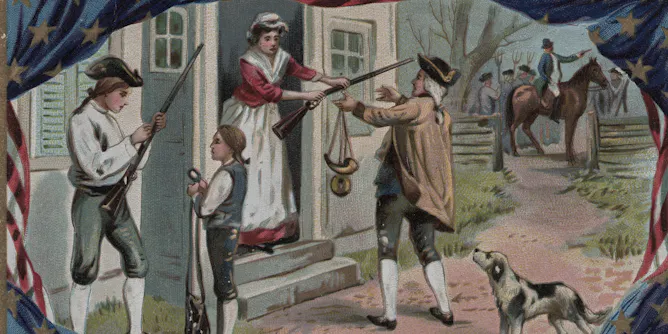
The medical tools of the Revolutionary period help flesh out the picture of what physical well-being felt like for people living in the American colonies 250 years ago.
Articles on History of medicine
Displaying 1 - 20 of 106 articles

From the Black Death to the COVID-19 pandemic, combining the genetic data of a pathogen with historical records, archaeological artifacts and epidemiological studies can uncover its origins.
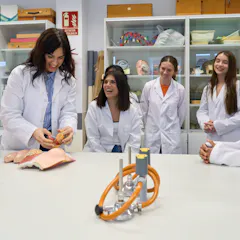
Why do medical students remember rude mnemonics decades later? The answer reveals something fascinating about how all of us learn and remember.
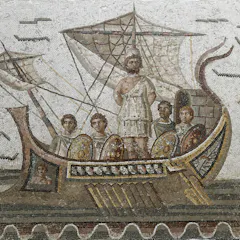
People in ancient times faked illnesses for all sorts of reasons. And in extreme cases, there might be a valid reason to lie.

With the help of AI, doctors might be able to detect heart disease before it becomes audible to the human ear.

Cancer. Diabetes. Aging itself. Rapamycin’s potential to treat an array of diseases has been a source of scientific fascination. But many aren’t aware of its origins – and its complicated legacy.

When historians and engineers work together, they can bring a version of the past back to life.
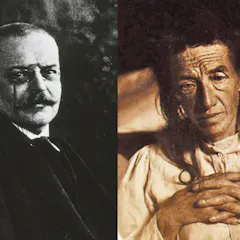
Dementia patient Auguste Deter’s contribution to the 1907 single case report study by Alois Alzheimer was immense: Deter’s life, illness and death are the story of Alzeimer’s disease.

Medicare Advantage − the private option that costs taxpayers extra and requires prior approval − is the default for some state agencies and corporations.

When medicine turned to the dead for cures.

Without public health surveillance, officials trying to tackle outbreaks, identify threats and evaluate treatments are working ‘in the darkness of ignorance.’

Scientific discoveries are necessary to eliminate epidemic diseases. But addressing socioeconomic factors is just as essential in the fight against diseases such as syphilis, AIDS and TB.

With the devastating 1918 pandemic in mind, US health officials saw an outbreak in Asia and swung into action. What happened offers lessons for today.
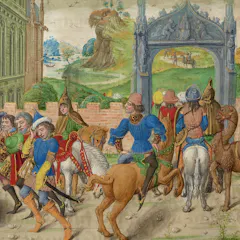
Travellers have always faced health hazards when far from home. Here’s what medieval people believed would keep them healthy.
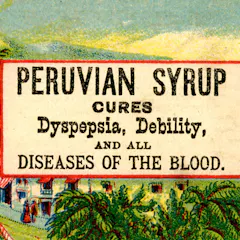
Cannabis for religious purposes, cocaine in wine and heroin for coughs. These are just some of the ways illicit drugs have been used throughout history.

Republicans are seeking to define ‘sex’ in federal law. But after centuries of debate, doctors, scientists and judges haven’t come to a clear consensus on what the definition of sex should be.

Many peoples throughout history used the warmth of the Sun to heal. Others used lamps or light split into different colours, which we still use today.

An epidemiologist makes the case that a rush of research to stop a swine flu outbreak led to an accidental lab release of an extinct virus. Preparing for one pandemic triggered a different one.

Much of what they said seems as relevant now as it did 2,000 years ago, even though we might question some of their methods.
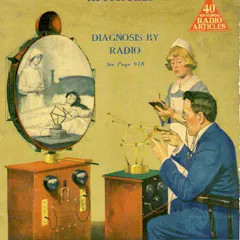
From the teledactyl and the medical mantis to Zoom doctoring and beyond, scifi and real-world medical technology have developed hand in hand.
Top contributors
-

Lecturer - Women's Health; Pharmacology, School of Biomedical Sciences, The University of Western Australia
-
Assistant Professor of History, University of Pittsburgh
-
Associate Professor of History, Roanoke College
-
Chancellor's Professor of Medicine, Liberal Arts, and Philanthropy, Indiana University
-
Pediatric Infectious Diseases Fellow, University of Pittsburgh
-
Associate Professor of History, Auburn University
-
Lecturer in English Literature, University of Reading
-
Affiliate, College of Medicine and Public Health, Flinders University
-
Lecturer in History, University of Leicester
-
Research Affiliate, Discipline of History, University of Sydney
-
Associate Professor of History, Rutgers University - Newark
-
Visiting Lecturer of History, Georgia State University
-
Professor Emerita, Classical Studies, The Open University
-
Assistant Director of the Center for the History of Medicine, University of Michigan
-
Lecturer in Classics and Ancient History, The University of Western Australia